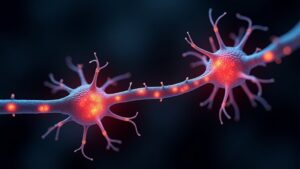

The Impact of Environment on Brain Development: What You Need to Know
Your child’s brain development depends heavily on their environment, especially during the first three years of life. I’ll tell you why nurturing interactions, enriched spaces, and protection from stress are essential. From language development to emotional regulation, every experience shapes neural pathways that impact lifelong outcomes. Creating the right environment with positive interactions, age-appropriate stimulation, and minimal stress will give your child’s brain the best foundation. There’s much more to discover about optimizing your child’s developmental journey.
Early Environmental Factors That Shape Neural Pathways
While genetics provide the basic blueprint for brain development, early environmental experiences play a crucial role in shaping neural pathways during the first years of life. I’ve found that nurturing interactions with caregivers strengthen circuits for emotional regulation and social bonding. Your child’s exposure to language, music, and sensory experiences literally wires their brain for learning.
Think of your baby’s brain as a garden – you’re the gardener who creates the right conditions. Positive touch, engaging conversations, and safe exploration help build strong neural connections. Stress and neglect, however, can disrupt this delicate process and impact lifelong development.
The Role of Physical Space and Sensory Stimulation
As children explore their physical surroundings, the spaces they inhabit directly influence their developing neural architecture. I’ve found that enriched environments with diverse textures, colors, and safe spaces for movement promote stronger neural connections and enhanced cognitive abilities.
I want you to understand that both understimulating and overstimulating environments can impact brain development. A balanced space with age-appropriate toys, natural elements, and opportunities for sensory exploration is ideal. Think climbing structures, building blocks, art materials, and music. You’ll see better outcomes when you create spaces that encourage both independent discovery and social interaction.
Social Interactions and Emotional Development
Beyond the physical environment, human connections shape a child’s neural pathways in profound ways. I’ve seen how loving interactions trigger the release of oxytocin and dopamine, creating positive neural associations that build emotional resilience. When a child receives consistent, nurturing responses to their needs, they develop secure attachment patterns.
You’ll find that social engagement activates multiple brain regions simultaneously. Every smile, touch, and conversation stimulates the development of emotion regulation circuits. That’s why I encourage parents to engage in face-to-face play, responsive caregiving, and emotional mirroring. These interactions become the foundation for a child’s social-emotional intelligence and mental health.
Stress, Toxins, and Their Effects on Brain Growth
Since early brain development is highly sensitive to environmental factors, both stress and toxins can greatly impact neural growth. I’ve found that chronic stress releases cortisol, which can disrupt the formation of neural connections and even shrink certain brain regions. Meanwhile, exposure to toxins like lead, mercury, and pesticides can interfere with essential developmental processes.
I want you to know that protecting your child’s developing brain means managing both psychological and physical threats. You can create a nurturing environment by minimizing stressful situations and carefully monitoring exposure to harmful chemicals in food, water, and household products.
Critical Periods: When Environment Matters Most

While brain development occurs throughout life, specific windows of time called critical periods shape neural growth most dramatically. I want to share with you the key stages when environmental factors have their strongest influence on your developing brain. These critical periods represent prime opportunities for positive growth – and risks for negative impacts.
- First three years of life for language and emotional attachment
- Ages 2-10 for visual processing and spatial awareness
- Early to mid-teens for reasoning and decision-making
- Ages 15-25 for impulse control and planning
- Birth to age 7 for musical ability and perfect pitch
Creating Optimal Conditions for Healthy Brain Development
As your brain develops through critical periods, you can actively support healthy neural growth by creating an enriched environment. I recommend providing consistent mental stimulation through learning activities, games, and exploration. Maintain social connections and engage in meaningful conversations to strengthen neural pathways. Ascertain you’re getting quality sleep, regular exercise, and proper nutrition – these fundamentals are essential for brain health. Minimize exposure to chronic stress and toxins that can impair development. Remember, your brain thrives in an environment that balances challenge with support, novelty with routine, and activity with rest.