
How Does Inflammation Impact Mental Health and Well-Being?
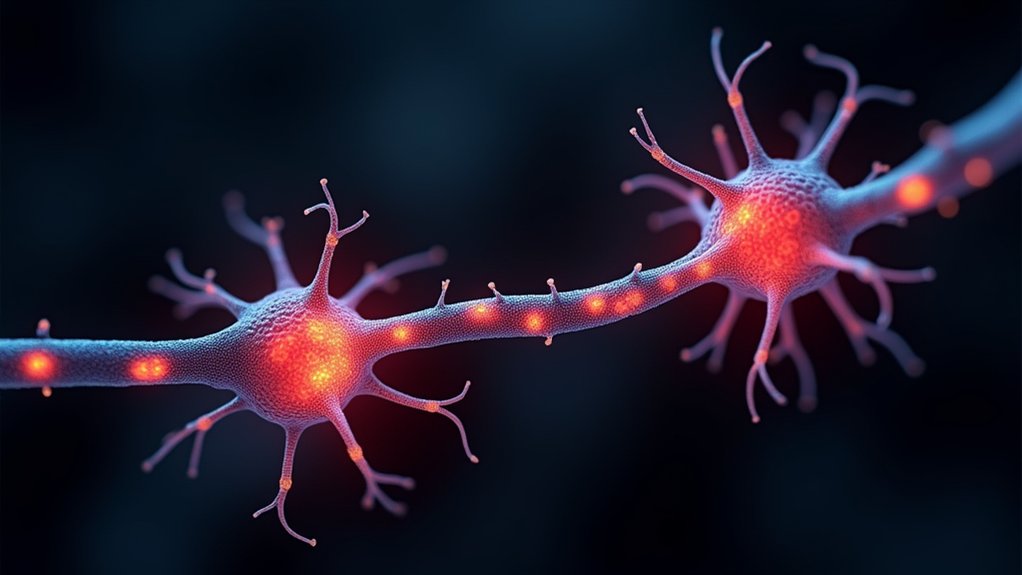
I want you to know that inflammation greatly impacts your mental well-being through a direct connection between your immune system and brain. When inflammation occurs, it can cross your blood-brain barrier, affecting mood, behavior, and cognitive function. This biological response is linked to conditions like depression, anxiety, and PTSD. You’ll find that managing inflammation through diet, lifestyle changes, and medical treatments can transform your mental health journey.
Understanding the Inflammation-Brain Connection
While scientists once viewed the brain as isolated from the body’s immune system, we now know that inflammation plays a crucial role in mental health. I want to help you understand how your brain and immune system communicate constantly through chemical messengers called cytokines.
When inflammation occurs in your body, these cytokines can cross the blood-brain barrier and affect your mood, behavior, and cognitive function. Think of it as your immune system sending signals that influence how you feel emotionally. This connection explains why conditions like depression often coincide with inflammatory diseases, and why reducing inflammation may improve your mental well-being.
Common Mental Health Conditions Linked to Inflammation
Building on our understanding of the inflammation-brain connection, let’s explore specific mental health conditions where inflammation plays a key role. I’ve found strong evidence linking inflammation to depression, with elevated inflammatory markers often present in people experiencing depressive symptoms. You might be surprised to learn that anxiety disorders also show this connection, along with bipolar disorder and schizophrenia. More recently, researchers have discovered inflammatory patterns in PTSD and OCD. When we experience these conditions, our bodies often show measurable increases in inflammatory molecules, particularly cytokines and C-reactive protein.
Lifestyle Factors That Trigger Inflammatory Responses

Since our daily choices significantly impact inflammation levels, understanding lifestyle triggers becomes essential for mental wellness. I want to share with you the key factors that can increase inflammation in your body. Poor sleep habits, processed foods, and chronic stress are among the biggest culprits we face. When you’re inactive or smoke, you’re also promoting inflammatory responses. Environmental toxins, excessive alcohol consumption, and irregular eating patterns can trigger inflammation too. Together, we can recognize these common triggers in our lives and make informed choices to protect our mental health.
The Role of Diet in Managing Inflammation and Mental Health
As research continues to demonstrate the profound connection between diet and mental health, understanding how our food choices affect inflammation becomes essential. I’ve found that what we eat directly impacts our brain function and mood through inflammatory pathways. When we make conscious dietary choices together, we can better manage both inflammation and mental wellness.
- Choose anti-inflammatory foods like omega-3 rich fish, colorful vegetables, and nuts
- Limit processed foods, refined sugars, and excessive red meat that trigger inflammation
- Include fermented foods and fiber-rich options to support gut health and reduce inflammation
Let’s embrace these dietary changes to protect our mental well-being.
Medical Treatments Targeting Inflammation for Mental Wellness

While the relationship between inflammation and mental health grows clearer, medical treatments targeting inflammatory pathways have emerged as promising interventions. I’ll explain how anti-inflammatory medications, like NSAIDs and specialized cytokine inhibitors, are being studied for their potential to alleviate symptoms of depression and anxiety. You might be interested to know that some psychiatrists now incorporate anti-inflammatory strategies alongside traditional treatments. These include prescription medications that reduce inflammatory markers and specialized infusion therapies. What’s particularly exciting is that we’re seeing positive results when combining these inflammation-targeting approaches with standard mental health treatments.
Preventive Strategies for Reducing Inflammatory Impact
The good news is that we can take proactive steps to minimize inflammation’s effects on mental health before problems arise. I’ve found that making specific lifestyle changes can markedly reduce inflammatory responses in our bodies and protect our mental well-being.
- Start with an anti-inflammatory diet rich in omega-3s, colorful vegetables, and whole foods while cutting back on processed items and refined sugars.
- Maintain consistent sleep patterns and practice stress-reduction techniques like meditation or deep breathing.
- Get regular exercise – even a 30-minute daily walk helps reduce inflammatory markers and boosts mood-enhancing chemicals in your brain.