Mental Health and Chronic Illness: How Are They Connected?
I want you to understand that mental health and chronic illness are deeply intertwined. When you live with a chronic condition, it affects not just your body but your emotional well-being through anxiety, depression, and stress about the future. Meanwhile, your mental health can impact your physical symptoms, creating a continuous feedback loop. The good news? By recognizing these connections, you’ll discover effective strategies to manage both aspects of your health journey.
The Hidden Impact of Chronic Illness on Mental Health
While many people understand the physical challenges of chronic illness, its profound effect on mental health often goes unnoticed. When you’re living with a chronic condition, you’re not just managing physical symptoms – you’re also dealing with anxiety about the future, depression from lifestyle changes, and the stress of constant medical decisions.
I’ve seen how isolation can creep in when you can’t participate in activities like before. The financial strain of medical bills adds another layer of worry. You might feel misunderstood by those who can’t see your invisible struggles. Remember, these emotional challenges are a valid part of your health journey.
Understanding the Bidirectional Relationship
When examining mental health and chronic illness, we must recognize their powerful influence on each other. I’ve seen how chronic conditions can trigger anxiety, depression, and feelings of isolation, while mental health challenges can worsen physical symptoms and affect treatment adherence.
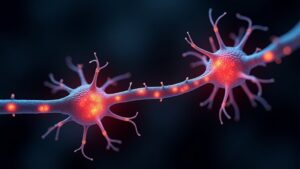
Think of it like a feedback loop: chronic pain might lead to depression, which then makes it harder to manage the pain effectively. Similarly, untreated anxiety can increase inflammation and stress hormones, potentially worsening autoimmune conditions. Understanding this interconnection helps us develop more effective, holistic treatment approaches that address both your physical and emotional well-being.
Common Mental Health Challenges in Chronic Disease

Living with a chronic illness often brings a range of mental health challenges that can feel overwhelming. I’ve seen how depression can creep in when you’re managing constant pain or fatigue, while anxiety might surface from uncertainty about your condition’s progression. You’re not alone if you’re experiencing grief over lifestyle changes or lost abilities. Many people also struggle with body image issues, especially when their illness affects their appearance. Social isolation can become a significant concern too, particularly when symptoms limit your ability to participate in activities you once enjoyed. Understanding these challenges is your first step toward better coping.
Breaking the Cycle: Treatment Approaches
Fortunately, effective treatment approaches can help you break free from the mental health challenges of chronic illness. I’ve seen how combining therapy, medication, and lifestyle changes creates a powerful foundation for healing. Cognitive behavioral therapy helps you reframe negative thought patterns, while mindfulness practices keep you grounded in the present moment.
You’re not alone in this journey. Support groups connect you with others who truly understand your experiences. Working with a mental health professional who specializes in chronic conditions guarantees you receive targeted strategies for your specific situation. Together, we’ll develop coping tools that work for your unique needs.
The Role of Support Systems and Social Connection

Because managing a chronic illness can feel isolating, having strong support systems becomes essential for both physical and mental wellbeing. I’ve seen how connecting with others who share similar experiences can provide validation, understanding, and practical coping strategies.
Your support network might include family members, friends, healthcare providers, therapists, or support groups. I encourage you to reach out and build these crucial connections. Whether it’s joining an online community, attending local meetups, or confiding in trusted loved ones, you’ll find strength in knowing you’re not alone on this journey. These relationships can offer emotional comfort, reduce stress, and improve your overall quality of life.
Coping Strategies and Self-Care Techniques
While support systems provide a foundation for managing chronic illness, learning effective coping strategies and self-care techniques can help you thrive daily. I’ve found that taking control of your well-being through intentional practices creates a sense of empowerment during challenging times.
Consider these essential self-care strategies that can make a difference:
- Practice mindfulness meditation to stay grounded in the present moment
- Set realistic boundaries to protect your energy and time
- Develop a sustainable routine that balances rest and activity
- Create a comfort toolkit with items that soothe your symptoms
Advocating for Integrated Healthcare Solutions
When managing chronic illness alongside mental health challenges, advocating for integrated healthcare becomes essential for extensive treatment. I encourage you to speak up during medical appointments and request coordination between your mental health providers and medical doctors. You’re not alone in needing thorough care that addresses both your physical and emotional well-being.
I recommend keeping detailed records of your symptoms, medications, and treatment plans to share across your healthcare team. Join patient advocacy groups to connect with others who understand your journey and can share resources for finding providers who practice integrated care approaches.
Building Resilience While Managing Both Conditions
Steering both chronic illness and mental health conditions requires more than just medical support – it calls for inner strength and adaptability. I want you to know you’re not alone in building resilience while managing these challenges.
Here’s what you can focus on to strengthen your resilience:
- Connect with others who share similar experiences through support groups
- Practice self-compassion when you face difficult days
- Celebrate small victories and progress in your journey
- Develop flexible coping strategies that work for your unique situation