
Effective Exercises for Boosting Brain Health and Function
I recommend combining aerobic activities like brisk walking or swimming with strength training exercises to boost your brain health. These activities increase blood flow, release neurotransmitters, and stimulate new neural connections. Add balance exercises like yoga or tai chi to enhance coordination and mental sharpness. For maximum benefits, aim for 30 minutes of moderate exercise at least three times weekly. Let’s explore how each type of exercise uniquely transforms your cognitive function.
The Science Behind Exercise and Brain Function

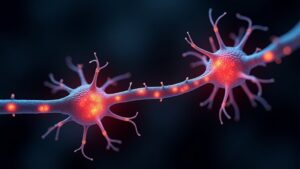
When you exercise regularly, your brain undergoes several beneficial changes at the cellular and molecular level. I’ve found that physical activity boosts blood flow to your brain, delivering essential oxygen and nutrients while clearing away waste products. This enhanced circulation triggers the release of brain-derived neurotrophic factor (BDNF), which I like to call “miracle grow” for brain cells.
Through exercise, you’ll stimulate the production of new neurons and strengthen existing connections, especially in the hippocampus – your memory center. You’re also increasing neurotransmitters like serotonin and dopamine, which help regulate mood and motivation.
Aerobic Activities That Enhance Memory
Since memory improvement ranks among the top brain-health goals, I recommend focusing on specific aerobic exercises proven to boost cognitive function. I’ve found that brisk walking for 30 minutes, three times weekly, can considerably enhance your memory retention. Swimming and cycling are also excellent choices, as they combine rhythmic movement with mental engagement.
Let’s not forget about dance classes – they’re particularly effective because they merge physical activity with learning new steps and social interaction. You’ll get the best results by maintaining a moderate intensity that allows you to talk but still challenges your breathing.
Strength Training for Neural Growth

Beyond aerobic activities, strength training plays a powerful role in fostering neural growth and cognitive enhancement. When I lift weights or perform resistance exercises, my brain releases growth factors that stimulate new neural connections. I’ve found that compound movements like squats and deadlifts are particularly effective at boosting brain-derived neurotrophic factor (BDNF).
You’ll want to incorporate strength training 2-3 times weekly, focusing on progressive overload. I recommend starting with bodyweight exercises if you’re new, then advancing to weights. Together, we can build not just stronger muscles, but also a more resilient brain through consistent resistance training.
Balance and Coordination Exercises for Mental Sharpness
Although many focus solely on strength and cardio, balance and coordination exercises remain essential for maintaining cognitive function. I’ve found that activities like tai chi, yoga, and dance create new neural pathways while improving your mind-body connection.
I recommend starting with simple exercises like standing on one foot or walking heel-to-toe. You can progress to more challenging movements like cross-body patterns or juggling. These activities force your brain to process spatial awareness and maintain equilibrium.
Join a class or practice with friends – you’ll find these exercises more enjoyable in a group setting while building both physical and mental agility.
Mind-Body Exercises That Build Cognitive Resilience

While physical movement strengthens the body, mind-body exercises enhance cognitive resilience through mindful awareness and focused attention. I recommend starting with tai chi, which combines gentle flowing movements with deep breathing and mental focus. You’ll find that yoga poses and meditation strengthen your mind-body connection while reducing stress.
I’ve seen remarkable results when people practice qigong’s coordinated breathing and movement patterns. These exercises improve memory and mental clarity. By incorporating mindful walking into your routine, you’ll boost both physical and mental stamina. Together, we can build lasting cognitive resilience through these purposeful mind-body practices.
High-Intensity Training Effects on Brain Health
Research shows that high-intensity training dramatically improves brain function and neuroplasticity. I’ve found that when you push yourself through intense exercise intervals, your brain releases a surge of growth factors that enhance memory and learning. You’ll experience better focus, sharper thinking, and improved mood within hours of your workout.
During high-intensity training, you’re not just building muscle – you’re creating new neural pathways. I recommend starting with 30-second bursts of maximum effort followed by brief rest periods. Whether you choose sprinting, cycling, or bodyweight exercises, you’ll boost both your physical and mental performance.
Creating Your Brain-Boosting Exercise Routine
Now that you understand the power of high-intensity training, let’s build a practical exercise routine that maximizes your brain benefits. I recommend starting with three 30-minute sessions per week, combining cardio and strength training. Begin each workout with 10 minutes of moderate walking or cycling, then alternate between two minutes of intense exercise and one minute of recovery.
Include movements that challenge your coordination, like jumping rope or dance steps. End with balance exercises such as single-leg stands or yoga poses. Remember, consistency matters more than perfection – you’ll join countless others who’ve transformed their brain health through regular exercise.