
Navigating Mental Health Challenges for Mature Adults
If you’re experiencing mental health challenges in your mature years, you’re not alone – nearly 25% of adults over 60 face similar concerns. I want you to know that support and effective solutions are readily available, from professional counseling to lifestyle adjustments like daily walks and social connections. You can manage anxiety, depression, and life changes through both traditional and modern approaches. Let’s explore the strategies that can help you thrive in your golden years.
Common Mental Health Concerns in Later Life
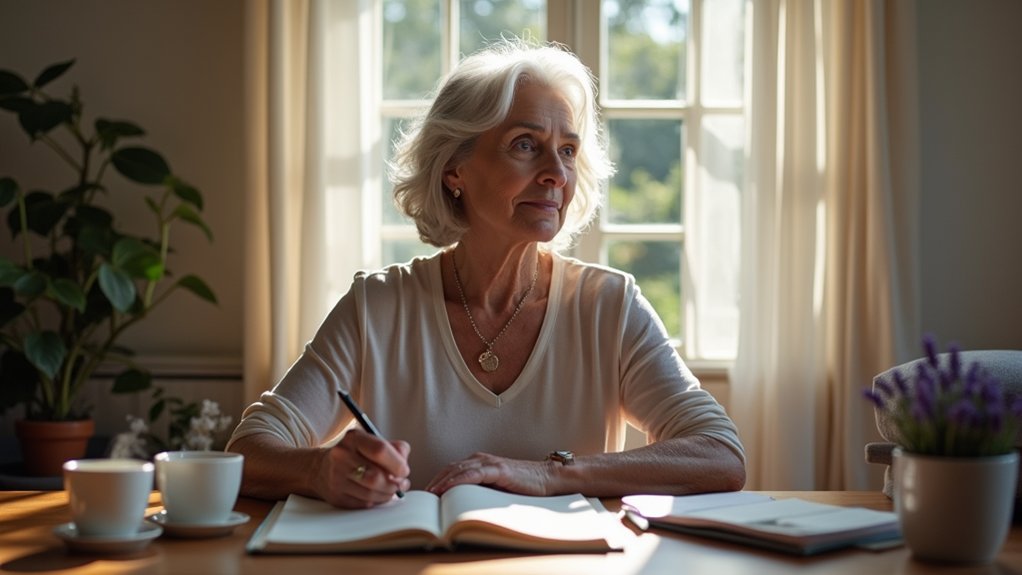
While aging brings wisdom and experience, it can also introduce unique mental health challenges that many adults face in their later years. I want you to know that you’re not alone if you’re dealing with depression, anxiety, or cognitive changes. These conditions often emerge alongside life changes like retirement, loss of loved ones, or health changes.
I’ve found that isolation and loneliness can greatly impact mental well-being, especially as social circles may naturally shrink. Memory concerns and adjustment to physical limitations can also trigger emotional distress, but remember – these challenges are common and treatable with proper support.
Breaking the Stigma: Seeking Support After 60
Many adults over 60 grew up in an era when discussing mental health was taboo, creating lasting hesitation about seeking help. I want you to know that you’re not alone in feeling uncertain about reaching out for support. Times have changed, and mental health care is now recognized as essential to overall wellbeing at every age.
I encourage you to take that first step. Whether you’re experiencing anxiety, depression, or just need someone to talk to, there’s no shame in prioritizing your mental health. Your life experience is valuable, and you deserve the same quality mental healthcare as anyone else.
Lifestyle Changes That Boost Emotional Wellness
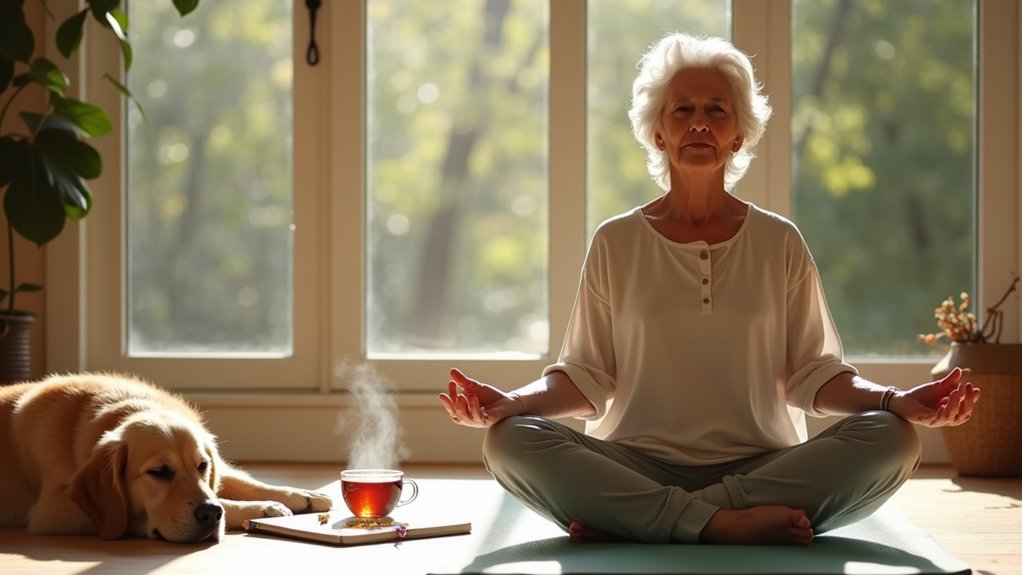
Research consistently shows that simple lifestyle adjustments can greatly impact your emotional wellbeing. I encourage you to start with daily walks, which naturally boost your mood through exercise and sunlight exposure. You’ll find that connecting with others, whether through community groups or regular coffee dates, helps combat loneliness.
I’ve seen how creating a consistent sleep schedule and practicing mindfulness can reduce anxiety. Consider picking up a creative hobby you’ve always wanted to try, like painting or gardening. Remember, nourishing your body with healthy foods and staying hydrated directly affects your mental state.
Building Social Connections in the Golden Years
Staying socially active becomes increasingly essential as we age, yet I’ve noticed how easy it is for mature adults to gradually withdraw from social circles. I encourage you to resist this natural tendency by joining community groups that align with your interests, whether it’s book clubs, fitness classes, or volunteer organizations.
Don’t underestimate the power of technology to maintain connections. I’ve seen how video calls can bridge distances with family, while social media helps you stay updated on loved ones’ lives. Remember, meaningful relationships don’t just happen – they require initiative. Even small steps like weekly coffee dates or regular phone calls can greatly impact your emotional well-being.
Managing Life Transitions and Loss
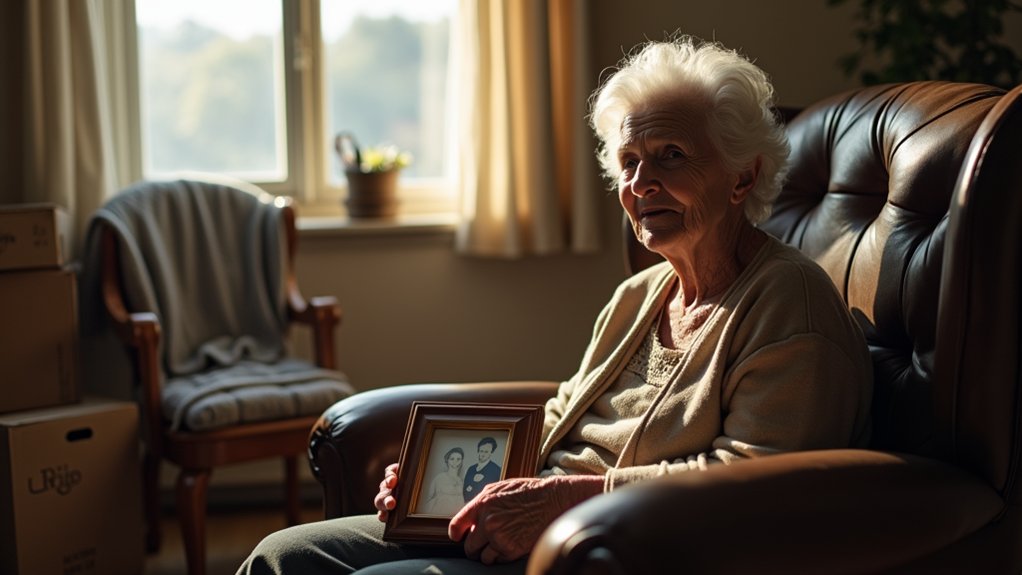
While building social connections helps fortify our emotional reserves, life’s later chapters often bring profound changes that test our resilience. Whether you’re facing retirement, health challenges, or the loss of loved ones, know that you’re not alone in maneuvering these shifts.
- Acknowledge your feelings openly – there’s no “right way” to process change
- Focus on what you can control, like creating new routines or exploring fresh interests
- Seek professional support when grief or anxiety feels overwhelming
- Connect with others who understand your journey through support groups or counseling
We’ll weather these changes together, finding strength in shared experiences and understanding.
Modern Tools and Resources for Mental Well-being
Today’s digital landscape offers mature adults an expanding array of tools to support mental wellness. I want to share some accessible resources that can help you maintain emotional balance and connection. Mental health apps like Calm and Headspace provide guided meditation and relaxation exercises you can use anywhere. Online therapy platforms connect you with licensed professionals from the comfort of home. Virtual support groups let you share experiences with others who understand your journey. These digital solutions complement traditional care while fitting your schedule and preferences, making mental health support more convenient than ever before.