

How Do Environmental Factors Affect Mental Health?
I want you to understand how deeply your environment shapes your mental health. From urban living that can spike stress levels to natural settings that reduce anxiety, your surroundings matter more than you might think. Poor air quality clouds thinking, while strong social connections buffer against depression. Even climate change triggers eco-anxiety in many people. Let’s explore how your environment could be impacting your psychological well-being right now.
The Impact of Urban Living on Mental Well-being
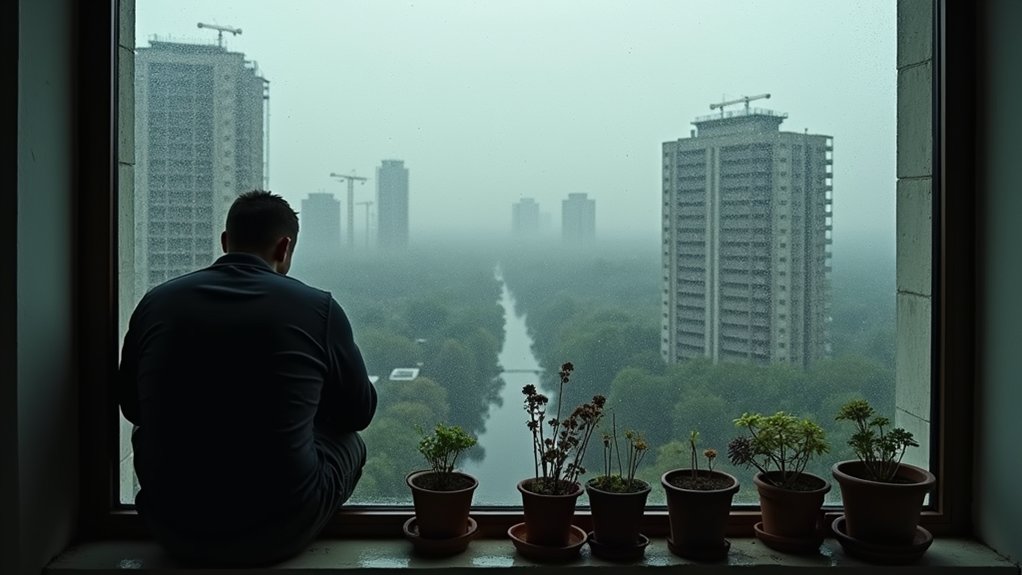
While urban environments offer countless opportunities and conveniences, living in cities can greatly affect our mental health. I’ve noticed how the constant noise, crowded spaces, and reduced access to nature can increase our stress levels and anxiety. We’re more likely to feel isolated despite being surrounded by people, especially when we lack meaningful community connections.
The fast pace of city life, combined with air and light pollution, disrupts our natural rhythms and can trigger depression. Yet, we can counter these effects by seeking out green spaces, building strong social networks, and creating peaceful sanctuaries within our urban homes.
Natural Environments and Psychological Health
Although urban environments can strain our mental health, natural settings offer powerful psychological benefits. When I spend time in nature, I notice how it reduces my stress and anxiety while lifting my mood. Research shows we’re naturally drawn to green spaces, with even brief nature exposure improving our cognitive function and emotional regulation.
You’ll find that activities like hiking, gardening, or simply sitting in a park can help you feel more grounded and connected. I’ve learned that incorporating regular nature breaks into our routines isn’t just pleasant – it’s essential for our psychological resilience and overall well-being.
Air Quality and Cognitive Function

Beyond nature’s calming effects, the air we breathe directly impacts how our brains function. I’ve found that poor air quality, especially from pollution and particulate matter, can impair our cognitive abilities and emotional well-being. When we’re exposed to polluted air, we may experience difficulty concentrating, memory problems, and increased anxiety.
You might notice these effects more in urban areas, where air pollution tends to be higher. That’s why I recommend spending time in areas with cleaner air whenever possible. Even indoor air quality matters – proper ventilation and air filtration can help us think more clearly and feel more balanced.
Social Environment’s Role in Mental Stability
Just as our physical environment shapes our mental state, our social connections play an essential role in maintaining psychological stability. I’ve observed how strong social bonds can buffer against stress, anxiety, and depression. When you’re surrounded by supportive family members, friends, and community, you’re more likely to develop resilience and cope with life’s challenges effectively.
I’ve found that positive social environments provide validation, emotional safety, and opportunities for personal growth. Whether it’s through meaningful conversations, shared activities, or simply feeling understood, these interactions contribute to your mental well-being and help create a sense of belonging within your social ecosystem.
Climate Change and Psychological Distress

While our social connections help maintain mental wellness, environmental changes on a global scale present new psychological challenges. I’ve observed how climate change creates profound emotional impacts on our collective mental health. We’re experiencing what experts call “eco-anxiety” – a chronic fear about our planet’s future.
- Witnessing natural disasters and extreme weather events can trigger acute stress and trauma responses in our communities
- Rising temperatures correlate with increased aggression, depression, and suicide rates
- The loss of familiar landscapes and ecosystems can cause deep grief and a sense of disconnection
Together, we must acknowledge these emotional challenges while supporting each other through environmental changes.
Built Spaces and Emotional Wellness
Although we often overlook the impact of our built environment, the spaces where we live, work, and gather greatly affect our psychological wellbeing. I’ve discovered that well-designed spaces can reduce stress, anxiety, and depression while boosting our mood and productivity. Natural light, open layouts, and greenery create a sense of connection and peace. Poor design elements like cramped spaces, limited windows, and harsh lighting can trigger feelings of isolation and unease. When we recognize these connections, we can transform our spaces to support mental health, whether it’s rearranging furniture, adding plants, or maximizing natural light in our homes.
Noise Pollution’s Effect on Mental Balance
Beyond the visual aspects of our environment, sound plays a powerful role in shaping our mental wellbeing. I’ve found that prolonged exposure to noise pollution can disrupt our peace of mind and trigger stress responses that affect our daily lives.
When we’re constantly bombarded by unwanted sounds, we experience:
- Heightened anxiety and irritability that disconnect us from our natural state of calm
- Difficulty focusing and connecting with others due to mental fatigue
- Sleep disturbances that leave us feeling isolated and emotionally drained
Together, we can create quieter spaces by being mindful of noise levels and supporting noise reduction initiatives in our communities.