
Engaging Cognitive Exercises to Boost Brain Health in Seniors
I recommend starting with simple but engaging brain exercises like crossword puzzles, Sudoku, or learning a new language for just 15 minutes daily. You’ll find brain-training apps make it convenient to challenge yourself anywhere, while joining local book clubs or music classes adds social connection to cognitive benefits. Whether you prefer digital tools or traditional games, staying mentally active is essential. Let’s explore how these activities can enhance your cognitive wellness journey.
Understanding Brain Plasticity in Later Years
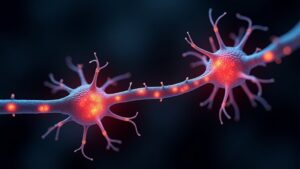
Although scientists once believed the aging brain was fixed and inflexible, we now know that neuroplasticity – the brain’s ability to form new neural connections – continues throughout our lives. I’m excited to tell you that your brain remains capable of remarkable growth and adaptation, even in your senior years.
When you engage in new learning experiences, your brain responds by creating and strengthening neural pathways. Think of it like blazing new trails through a forest – the more you travel these paths, the clearer and stronger they become. This means you’re never too old to learn, grow, and enhance your cognitive abilities.
Memory-Boosting Games and Activities
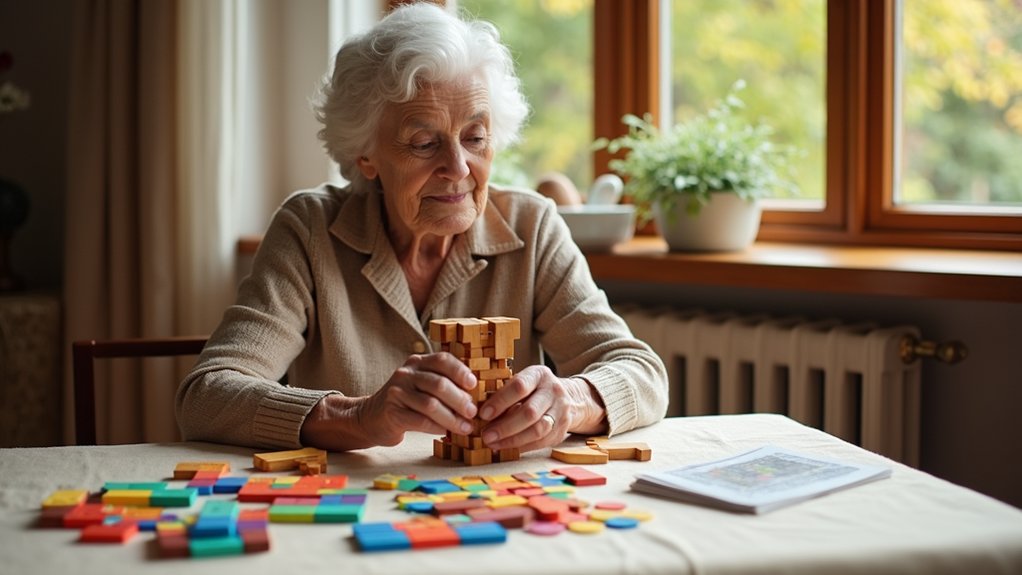
Memory-boosting activities can be both fun and effective for maintaining cognitive sharpness. I recommend trying crossword puzzles, Sudoku, or word searches to challenge your recall and problem-solving abilities. You’ll find that card games like bridge or poker strengthen strategic thinking while connecting you with friends.
If you’re tech-savvy, I suggest downloading brain-training apps that offer personalized cognitive exercises. For a more social approach, join a book club or language learning group. Even simple activities like memorizing grocery lists or learning new recipes can keep your mind active. Remember, it’s not just about the exercise—it’s about finding activities you’ll enjoy consistently.
The Power of Learning New Languages

While many seniors hesitate to learn a new language, research shows it’s one of the most effective ways to maintain cognitive function. I’ve found that taking up Spanish, French, or any new language creates fresh neural pathways and strengthens your memory.
You don’t need to become fluent to reap the benefits. Start with basic phrases, use language learning apps, or join a local conversation group. I recommend practicing just 15 minutes daily. You’ll connect with fellow learners while exercising multiple brain regions simultaneously.
Plus, learning a new language opens doors to different cultures and helps you build meaningful connections with people worldwide.
Musical Training for Cognitive Enhancement
Similar to learning a language, musical training engages multiple cognitive functions at once. I’ve found that whether you’re learning piano, violin, or even singing, you’re exercising memory, coordination, and attention simultaneously. The best part? You’re never too old to start.
When you join a music class or group, you’ll connect with others who share your passion while strengthening your brain. Studies show that musicians maintain better cognitive function as they age. I recommend starting with simple instruments like ukulele or percussion, then progressing at your own pace. You’ll be amazed at how musical practice sharpens your mind.
Digital Apps and Online Brain Training Tools

Today’s digital world offers countless brain-training apps and online tools designed specifically for seniors. I recommend starting with popular platforms like Lumosity, BrainHQ, or CogniFit, which offer scientifically-backed exercises to challenge your memory, attention, and problem-solving skills.
You’ll find these digital tools particularly convenient because you can practice anytime, anywhere. Many apps track your progress and adjust difficulty levels to match your abilities. I’ve seen many seniors in our community embrace these technologies, joining online groups where they share achievements and encourage each other. Let’s make brain training a fun, social activity while keeping our minds sharp.
Social Activities That Stimulate Mental Growth
Because social interaction naturally exercises multiple cognitive functions, group activities provide some of the best brain training opportunities for seniors. I recommend joining a book club where you’ll engage in literary analysis, critical thinking, and memory recall while connecting with fellow readers. You can also try group dance classes, which combine physical movement with social engagement and memory work. Bridge clubs and other card games strengthen strategic thinking and social bonds, while volunteering at local organizations lets you solve real-world problems while making meaningful connections. Learning a new language with others combines social support with cognitive challenge.
Physical Exercise and Brain Health Connection
While mental stimulation through social activities boosts brain health, regular physical exercise creates equally powerful cognitive benefits. I’ve found that walking, swimming, or dancing can increase blood flow to your brain, sparking the growth of new neural connections. When you move your body, you’re not just strengthening your muscles – you’re protecting your memory and thinking skills.
Join me in making exercise a daily priority. Even 30 minutes of moderate activity can reduce your risk of cognitive decline. I recommend starting with activities you enjoy, whether it’s gardening, yoga, or joining a local fitness class.
Dietary Choices for Optimal Cognitive Function
Just as exercise fuels your body, the foods you eat directly impact your brain function. I recommend incorporating omega-3 rich foods like salmon, walnuts, and flaxseeds into your daily diet. These nutrients help maintain your brain’s structure and improve memory.
You’ll also want to embrace colorful fruits and vegetables, particularly berries and leafy greens. They’re packed with antioxidants that protect your brain cells from damage. Don’t forget about whole grains and lean proteins – they provide steady energy for your brain throughout the day.
Remember to stay hydrated and limit processed foods. Let’s make these brain-healthy choices together.