Brain Training Games for Older Adults: Do They Really Help?
I’ll give you the straight facts about brain training games for older adults: While they can help you get better at specific game tasks, there’s limited evidence that these skills transfer to real-world activities. That said, challenging your brain through cognitive exercises can promote neuroplasticity and mental sharpness. For the best results, I recommend combining brain games with proven activities like social engagement, physical exercise, and learning new skills. Let’s explore your full range of options for maintaining cognitive health.
Understanding Brain Training Games and Their Claims
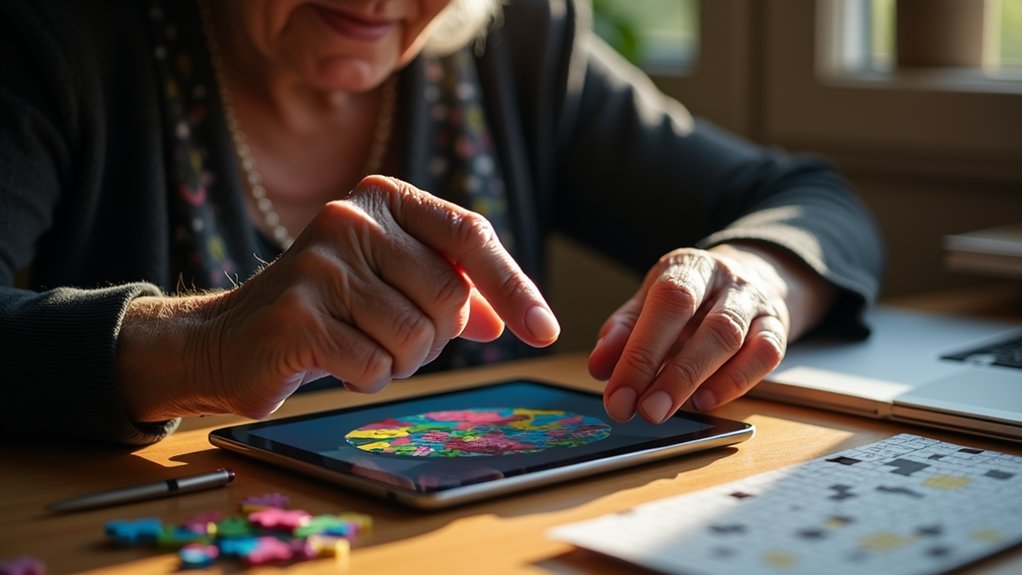
As brain training games have surged in popularity among older adults, it’s important to examine what these digital tools actually promise versus what they deliver. These games claim to enhance memory, focus, problem-solving skills, and even prevent cognitive decline through regular mental exercises.
I’ve found that many companies market their brain training products as scientifically proven solutions, using terms like “neuroplasticity” and “cognitive enhancement.” While these games can be engaging and challenging, it’s essential to understand that most research shows limited evidence of skills transferring beyond the specific tasks you’re practicing in the games themselves.
The Science Behind Cognitive Exercise in Aging
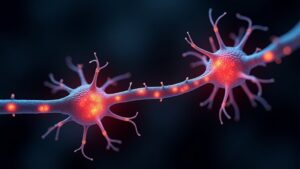
While scientists have long understood that physical exercise benefits the aging brain, research into cognitive exercise reveals fascinating mechanisms of brain adaptability. I’ve found that when we challenge our minds with new tasks, our brains create fresh neural pathways through a process called neuroplasticity. It’s like building new roads in our mental landscape.
When we engage in targeted cognitive exercises, we’re actually strengthening specific brain regions. Just as you’d exercise different muscle groups, we can train distinct cognitive skills – memory, attention, and problem-solving. This helps us maintain mental sharpness and potentially delay age-related cognitive decline.
Real-World Benefits vs. Digital Performance

Many players of brain training games see improvements in their game scores, but the connection to real-life cognitive benefits remains complex. I’ve found that while you might get better at specific game tasks, like memorizing patterns or solving puzzles, these skills don’t automatically transfer to daily activities. Think of it like becoming an expert at tennis – it may improve your hand-eye coordination, but won’t necessarily make you better at basketball. That said, I’ve seen how the confidence boost from improving at these games can motivate older adults to stay mentally active and engaged in other cognitive challenges.
Alternative Methods for Mental Sharpness
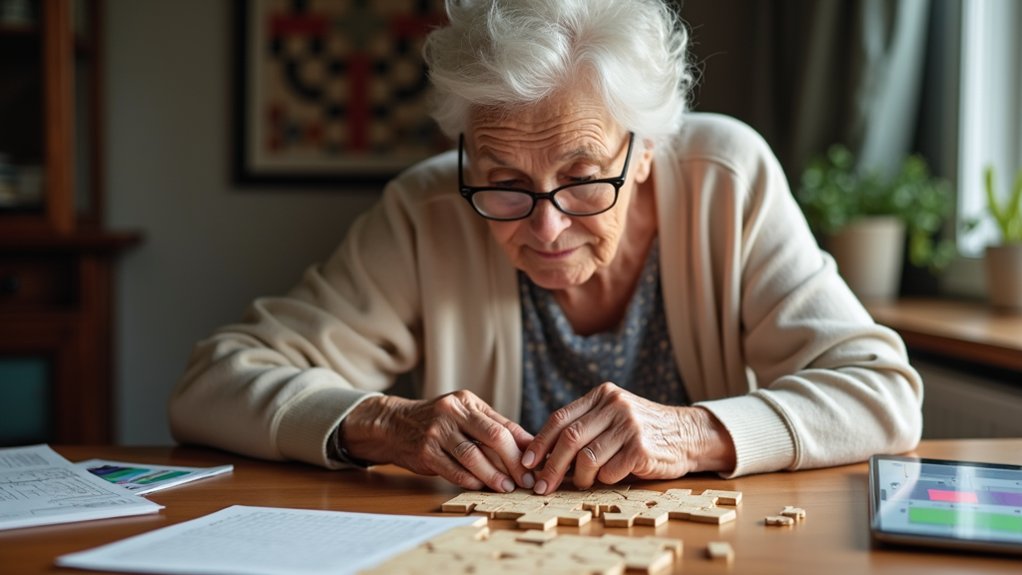
Beyond digital games, numerous engaging activities can help maintain cognitive function in older adults. I recommend social activities like book clubs, group discussions, and volunteer work that stimulate your mind while connecting you with others. Learning a new language or musical instrument challenges your brain in unique ways, while crossword puzzles and Sudoku offer classic mental workouts.
I’ve found that physical exercise, especially dance or tai chi, combines cognitive and motor skills beautifully. You might also try crafting hobbies like quilting or woodworking, which require planning, precision, and problem-solving. Remember, the key is choosing activities you’ll enjoy and stick with long-term.
Making Informed Decisions About Brain Training

As you explore brain training options, it’s essential to evaluate scientific evidence and avoid marketing hype. I recommend checking peer-reviewed studies and consulting trusted health professionals before investing time and money in any program.
When choosing brain training activities, I suggest focusing on tools that challenge multiple cognitive skills and adapt to your performance level. Look for games that target areas you want to improve, whether it’s memory, attention, or problem-solving.