
Brain Resilience Strategies for Healthy Aging: What Works?
I’ve discovered that keeping your brain resilient as you age isn’t complicated – it just requires consistent action. You’ll want to focus on five key areas: regular physical exercise, brain-healthy nutrition like omega-3s and antioxidants, continuous mental challenges, strong social connections, and emotional wellbeing. Since 40% of cognitive function depends on lifestyle choices, these strategies can greatly impact your brain health. Let me show you exactly how to put these powerful tools to work.
The Science Behind Brain Plasticity and Aging

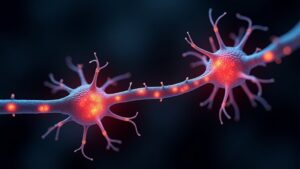
While many people believe brain aging is an inevitable decline, science now shows our brains remain remarkably adaptable throughout life. This ability, called neuroplasticity, means we can form new neural connections and strengthen existing ones well into our later years.
I’ve found that understanding how our brains adapt is empowering. When we learn new skills or face challenges, our neurons create fresh pathways. Think of it like blazing new trails through a forest. Every time we use these pathways, they become stronger and more efficient. Even as we age, we maintain this incredible capacity to rewire and strengthen our cognitive networks.
Physical Exercise: Your Brain’s Best Friend
One of the most powerful ways to enhance brain plasticity is through regular physical exercise. I’ve found that when we move our bodies, we’re actually giving our brains a major boost. Research shows that exercise increases blood flow to our brain, stimulates the production of growth factors, and creates new neural connections.
Here’s what happens when you exercise regularly:
- Your hippocampus grows, improving memory and learning
- Your brain produces more BDNF, a protein that protects neurons
- Your risk of cognitive decline decreases considerably
- Your stress levels drop while mental clarity improves
Let’s make movement a daily priority – your brain will thank you for it.
Nutritional Strategies for Cognitive Health

Food plays a critical role in maintaining cognitive function throughout our lives. I recommend focusing on brain-boosting nutrients like omega-3 fatty acids found in fatty fish, antioxidants from colorful berries, and B vitamins from leafy greens. You’ll also want to include nuts, seeds, and olive oil for healthy fats that protect neural connections.
I’ve found that following a Mediterranean-style diet can reduce your risk of cognitive decline. It’s not just about individual foods – it’s the synergy of nutrients working together. By choosing whole, unprocessed foods and limiting refined sugars, you’re giving your brain the fuel it needs to stay sharp.
Mental Stimulation and Lifelong Learning
Just as we feed our bodies the right nutrients, we must nourish our minds through ongoing mental stimulation. I’ve discovered that challenging our brains with new learning experiences creates cognitive reserves that protect us as we age. Think of your brain like a muscle that needs regular workouts to stay strong.
Let’s explore proven ways to keep your mind sharp:
- Learn a new language or musical instrument
- Take up complex hobbies like chess or bridge
- Engage in stimulating discussions with diverse groups
- Solve puzzles and brain teasers daily
Social Connections and Emotional Wellbeing

While mental exercises strengthen cognitive function, maintaining strong social bonds and emotional health plays an equally essential role in brain resilience. I’ve found that regular social interaction, whether through family gatherings, friend meetups, or community groups, helps protect against cognitive decline. When you share experiences and emotions with others, you’re activating complex neural networks that keep your brain adaptable. I encourage you to nurture meaningful relationships, practice empathy, and express your feelings openly. Join a club, volunteer, or simply call a friend – your brain thrives on these connections, and they’ll help safeguard your cognitive wellbeing as you age.