
The Effects of Aging on Cognition: What You Need to Know
As you age, you’ll notice gradual changes in how your brain processes information and handles daily tasks. Your memory may take longer to recall names or learn new skills, and multitasking might become more challenging. While these shifts are normal, you can maintain strong cognitive function through lifestyle choices and mental exercises. Understanding the difference between typical age-related changes and warning signs will help you protect your brain health for years to come.
Normal Age-Related Changes in Brain Function
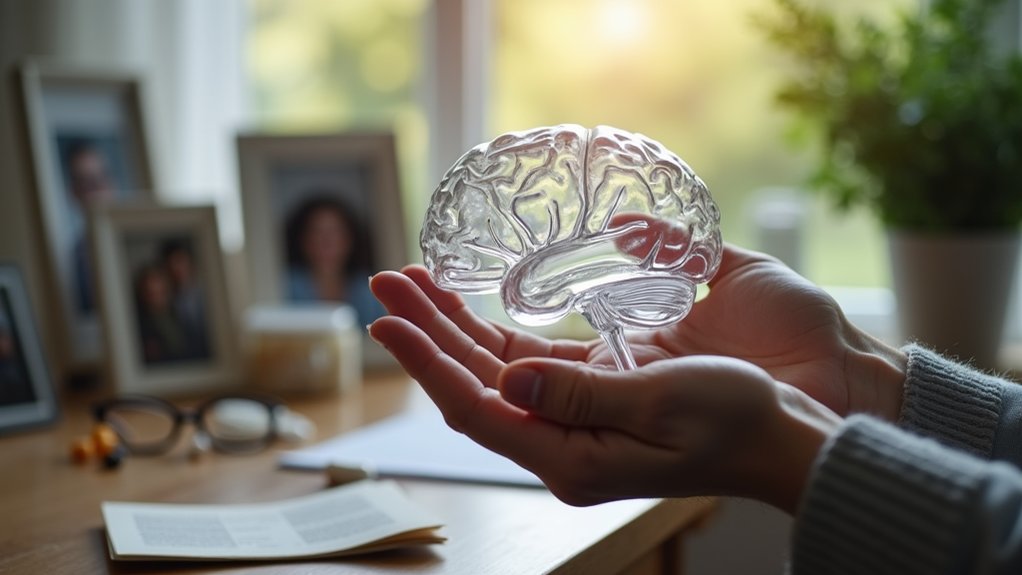
As people enter their later years, the brain undergoes several predictable structural and functional changes that affect cognitive performance. You’ll likely notice your brain processing information more slowly and requiring extra effort to learn new tasks. Your brain’s volume gradually shrinks, particularly in areas responsible for memory and complex thinking.
You’re not alone in experiencing these changes. While you might find it harder to multitask or recall names quickly, your brain adapts by drawing on years of accumulated knowledge and experience. Many of your core cognitive abilities remain stable, and you’ll often compensate naturally by developing effective coping strategies.
The Science Behind Cognitive Aging
When scientists examine cognitive aging at the cellular level, they find complex changes in how neurons communicate and process information. You’ll notice these changes mainly affect your brain’s synapses, where neurons exchange signals. As you age, you’ll experience a gradual decline in neurotransmitter production and fewer receptor sites for these chemical messengers.
Your brain’s white matter, which helps different regions communicate, also changes over time. You might find it harder to retrieve memories or process information quickly because these neural pathways become less efficient. Don’t worry – you’re not alone, as these changes are part of normal aging.
Common Memory Changes to Expect
While everyone’s aging journey differs, certain memory changes are typical as you grow older. You’re not alone in noticing these shifts in your cognitive abilities, as they’re part of our shared human experience.
As you navigate these changes, you’ll likely encounter:
- Slower processing of new information, requiring more time to learn and recall
- Increased difficulty multitasking or focusing when there are distractions
- Mild forgetfulness with names, dates, or where you’ve placed everyday items
Risk Factors Affecting Cognitive Health
Understanding these normal memory changes leads naturally to examining what puts your cognitive health at risk. Your genetic makeup, family history, and age are factors you can’t control, but many risk factors are within your power to manage. These include high blood pressure, diabetes, smoking, excessive alcohol use, and lack of physical activity.
You’ll want to watch for depression, social isolation, and hearing loss, as they’re linked to cognitive decline. Poor sleep habits and inadequate mental stimulation can also impact your brain health. The good news? You can take action on most of these factors to protect your cognitive function.
Warning Signs of Serious Cognitive Decline
How can you distinguish between normal age-related memory lapses and more serious cognitive issues? Like many of us facing the challenges of aging, you’ll want to watch for specific warning signs that may indicate a need for medical attention.
Be alert to these critical indicators:
Stay vigilant for key warning signs that could signal cognitive decline, as early recognition allows for timely medical intervention and care.
- Difficulty performing familiar daily tasks, like following recipes or managing finances
- Problems with language, including forgetting common words or using incorrect words repeatedly
- Disorientation about time or place, getting lost in familiar locations
If you or a loved one experiences these symptoms consistently, don’t hesitate to seek professional evaluation. Early detection often leads to better outcomes for our cognitive health.
Strategies to Maintain Mental Sharpness

As we grow older, keeping our minds sharp becomes increasingly essential for maintaining independence and quality of life. You’ll find that engaging in regular mental exercises like crossword puzzles, learning new skills, or playing chess can strengthen your cognitive abilities. Stay socially connected by joining clubs, volunteering, or participating in group activities.
Physical exercise boosts brain health too. Take daily walks, try yoga, or dance – whatever gets you moving. Don’t forget to eat a balanced diet rich in omega-3s, antioxidants, and whole grains. Getting quality sleep and managing stress through meditation or deep breathing exercises will help protect your mental acuity.
Latest Research in Brain Health and Aging
Recent studies have revealed groundbreaking insights into the aging brain’s remarkable plasticity. You’ll be glad to know that researchers have discovered your brain continues forming new neural connections throughout life, challenging traditional beliefs about cognitive decline.
Our brains never stop rewiring and growing, defying old assumptions that aging automatically means cognitive deterioration.
Scientists have identified three key factors that greatly impact brain health:
- Regular physical exercise boosts blood flow and stimulates brain cell growth
- Social engagement strengthens neural networks and reduces dementia risk
- Complex learning activities create cognitive reserve, protecting against memory loss
You’re never too old to benefit from these findings, as your brain remains adaptable and responsive to positive lifestyle changes well into your later years.