Creating a Balanced Life Plan for Healthy Aging and Brain Health
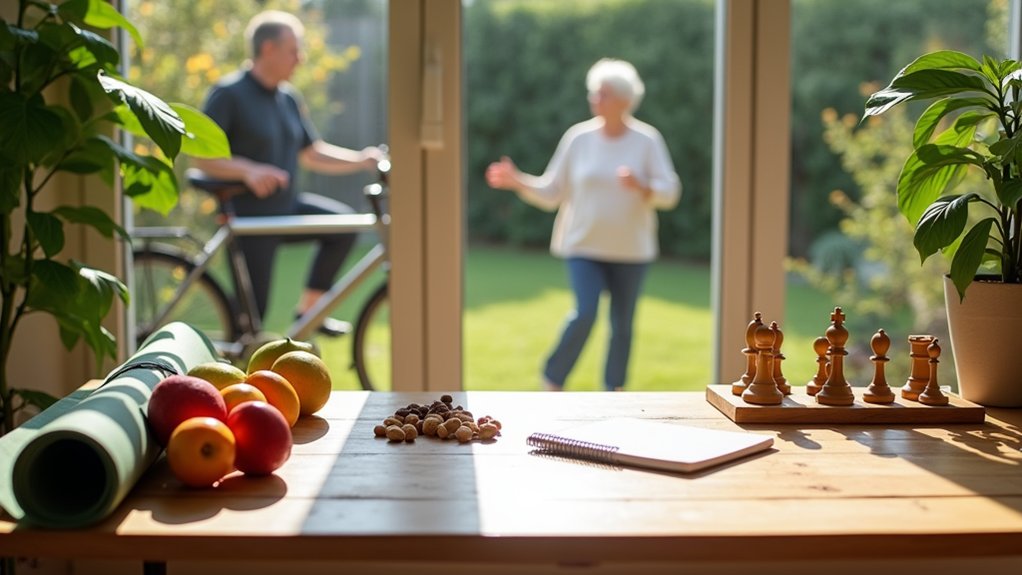
You can maintain ideal brain health through a balanced lifestyle that combines proper nutrition, regular exercise, and quality sleep. Focus on omega-3 rich foods, antioxidant-packed vegetables, and B-vitamins while staying physically active with activities like dancing or swimming. Don’t forget to prioritize 7-8 hours of quality sleep and practice stress management techniques like meditation. Your journey to cognitive wellness starts with these foundational steps, and there’s much more to explore.
The Science Behind Brain Aging and Cognitive Health

Although scientists once believed brain aging was inevitable and irreversible, research now shows that lifestyle choices can greatly impact cognitive health. Your brain’s neuroplasticity allows it to form new neural connections throughout life, adapting and rewiring itself in response to stimulation and challenges.
You’re not alone in wanting to protect your cognitive function. Studies reveal that regular exercise increases blood flow to your brain, while mental exercises strengthen neural pathways. Social connections, proper nutrition, and quality sleep all contribute to maintaining your brain’s health. Together, we can embrace these science-backed strategies to support our cognitive well-being.
Essential Nutrients for Optimal Brain Function
While your brain accounts for only 2% of your body weight, it consumes 20% of your daily energy needs and requires specific nutrients to function efficiently. You’ll want to focus on omega-3 fatty acids from fish, nuts, and seeds to support brain structure and communication between neurons. Include antioxidant-rich berries, leafy greens, and colorful vegetables to protect against oxidative stress.
Don’t forget B-vitamins from whole grains and lean proteins, which are essential for neurotransmitter production. Your brain also needs vitamin D, found in sunlight exposure and fortified foods, plus vitamin E from avocados and olive oil for cognitive protection.
Physical Exercise Strategies for Mental Vitality
The brain’s health depends on more than just proper nutrition – regular physical exercise plays a powerful role in maintaining cognitive function. You’ll boost your mental energy through activities that combine cardio with coordination and balance.
Try dancing, which engages multiple brain regions while providing social interaction. Swimming and yoga improve blood flow to your brain while reducing stress. For maximum cognitive benefits, include strength training twice weekly and aim for 30 minutes of moderate aerobic exercise daily.
Join a fitness group or exercise with friends to stay motivated. You’re more likely to maintain these habits when you’re part of a supportive community.
Sleep Quality and Its Impact on Brain Health
Getting enough quality sleep each night serves as a cornerstone of brain health and cognitive function. During sleep, your brain clears out toxic proteins, consolidates memories, and repairs cellular damage. You’ll notice sharper thinking and better emotional regulation when you’re well-rested.
To improve your sleep quality, stick to a consistent bedtime routine. Create a cool, dark environment and avoid screens an hour before bed. You’re not alone if you struggle with sleep – many of us face similar challenges. Consider natural aids like meditation or gentle stretching to help you drift off peacefully.
Social Connections and Mental Wellness
Strong social bonds play an essential role in maintaining mental wellness as you age. You’ll benefit from nurturing meaningful connections with family, friends, and your community. Join social groups, volunteer, or participate in local activities to expand your support network.
Stay engaged by scheduling regular meetups, whether it’s a weekly coffee date or monthly book club. Digital platforms can help you maintain long-distance relationships, though in-person interactions should remain your priority. Remember, quality matters more than quantity – focus on relationships that bring you joy and support.
Don’t hesitate to reach out when you need help or companionship. Your social connections are crucial investments in your long-term well-being.
Stress Management Techniques for Long-term Health

Managing stress effectively becomes increasingly essential as you age, since chronic tension can accelerate health problems and impact your quality of life. You’ll find lasting relief through mindfulness practices like deep breathing, meditation, or gentle yoga. These techniques help you stay present and centered.
Create daily routines that include regular exercise, adequate sleep, and moments of quiet reflection. You’re not alone in feeling overwhelmed – join stress management groups or wellness classes where you’ll connect with others who share similar challenges. Remember to set boundaries, practice saying “no,” and prioritize activities that bring you joy and peace.
Brain-Training Activities and Cognitive Stimulation
While stress management calms your mind, keeping your brain active and engaged helps maintain cognitive sharpness as you age. You’ll find that incorporating brain-training activities into your daily routine creates new neural pathways and strengthens existing ones. Join others in your community who’ve discovered the joy of mental exercise through puzzles, learning new skills, and social interaction.
Keeping your mind engaged through daily brain-training activities not only preserves mental sharpness but also brings enjoyment and social connection.
- Challenge yourself with crosswords, Sudoku, or memory games to enhance problem-solving abilities
- Learn a new language or musical instrument to create cognitive reserves
- Participate in book clubs or discussion groups to combine social connection with intellectual stimulation
Building Daily Habits for Lifelong Mental Fitness
To maintain mental fitness throughout your life, you’ll need more than occasional brain games – you need consistent daily habits. Start by integrating mindful activities like meditation or deep breathing into your morning routine. Schedule regular social interactions, whether it’s coffee with friends or joining community groups.
Make learning part of your everyday life by reading diverse materials, taking online courses, or mastering new skills. Challenge yourself with puzzles, crosswords, or language learning apps during your downtime. Remember to nourish your brain with proper sleep, regular exercise, and a balanced diet rich in omega-3s and antioxidants.