
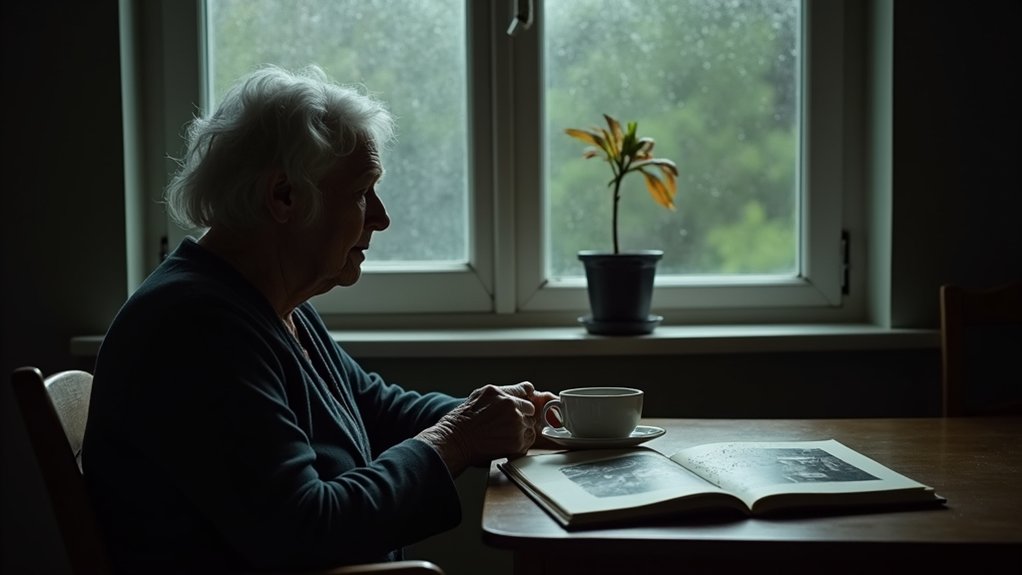
Understanding Depression in Older Adults: Key Insights
You’ll notice depression in older adults often shows up differently than in younger people. Watch for physical symptoms like unexplained aches, memory problems, and changes in sleep or eating patterns. Key triggers include major life changes, health challenges, and social isolation. While occasional sadness is normal, persistent distress lasting over two weeks needs attention. Understanding these unique signs and proper treatment options can make a significant difference in recovery outcomes.
Unique Signs and Symptoms in Older Adults
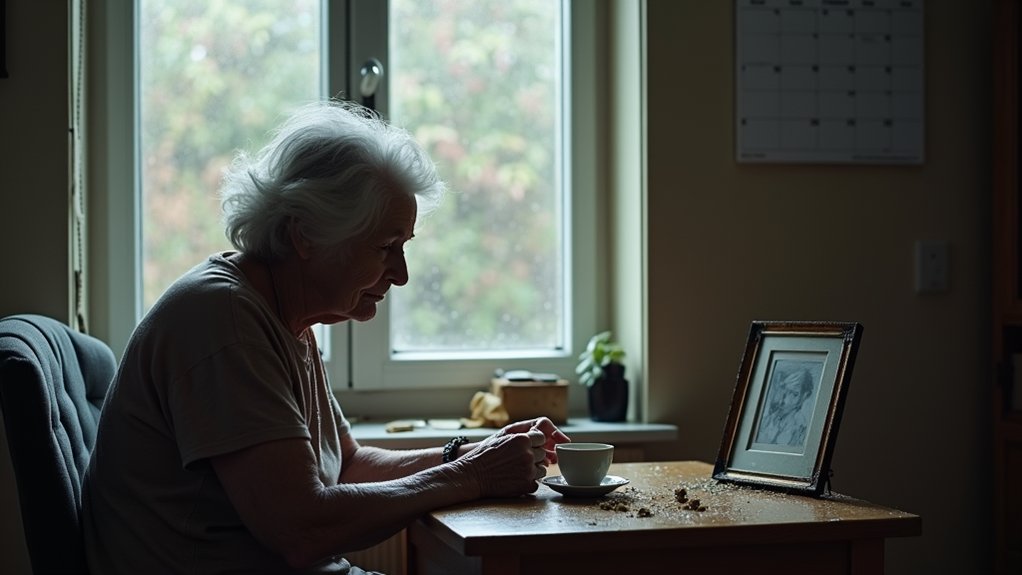
While depression can affect people of all ages, older adults often exhibit distinct symptoms that may go unrecognized. You’ll notice they’re more likely to complain about physical ailments rather than sadness, including unexplained aches, memory problems, or digestive issues. They might also withdraw from social activities they once enjoyed or show increased irritability with loved ones.
Watch for subtle changes in their daily routines, like neglecting personal hygiene, skipping meals, or having difficulty sleeping. Many seniors won’t directly express feeling depressed, but you might hear them talk about feeling worthless or being a burden to others.
Risk Factors and Common Triggers
Although genetic factors play a role in depression, older adults face unique circumstances that can trigger or worsen depressive symptoms. You’ll find that major life changes, such as retirement, loss of independence, or the death of loved ones, can greatly impact your emotional well-being. Physical health challenges, chronic pain, and medication side effects may also contribute to feelings of depression.
Social isolation, financial stress, and a reduced sense of purpose are common triggers you might experience. If you’re caring for an ill spouse or adjusting to living alone, you’re particularly vulnerable. Remember, these risk factors often overlap and compound each other.
Impact on Physical Health and Daily Living
Depression in older adults can greatly affect physical health and daily functioning, creating a challenging cycle of declining wellness. You’ll notice changes in sleep patterns, appetite, and energy levels that make routine tasks feel overwhelming. Your body may experience unexplained aches, digestive issues, or increased sensitivity to pain.
These physical symptoms can make it harder for you to stay active, maintain social connections, or keep up with self-care. When you’re struggling with depression, you might find it difficult to manage medications, prepare nutritious meals, or attend medical appointments – all essential aspects of maintaining your health as you age.
Distinguishing Depression From Other Age-Related Changes
Since normal aging brings various physical and emotional changes, it’s crucial to recognize when symptoms point to depression rather than typical age-related shifts. You might notice that while occasional sadness or fatigue is normal, persistent feelings of hopelessness or worthlessness aren’t part of healthy aging. If you’re experiencing memory problems, consider that depression can mimic dementia symptoms. While it’s natural to slow down with age, losing interest in activities you’ve always enjoyed or withdrawing from friends and family suggests depression. Watch for changes in sleep patterns and appetite that last more than two weeks.
Treatment Options and Management Strategies
When it comes to managing depression in older adults, effective treatment often requires a multi-faceted approach. You’ll want to explore both medication and therapy options, as they often work best together. Consider antidepressants specifically designed for seniors, alongside regular sessions with a mental health professional who specializes in geriatric care.
Don’t overlook the power of lifestyle changes. You can join senior support groups, participate in gentle exercise classes, or engage in meaningful hobbies. If you’re caring for an older loved one, help them maintain social connections and establish daily routines. Remember, there’s no shame in reaching out for professional help.
The Role of Family and Social Support

Although medications and therapy play essential roles in treating depression, family members and friends serve as important pillars of support for older adults facing mental health challenges. You can help your loved one by listening without judgment, encouraging social activities, and ensuring they attend medical appointments.
Regular check-ins, whether in person or through phone calls, show your elderly family member they’re not alone. You’ll make a significant difference by helping with daily tasks, participating in their hobbies, or simply sharing meals together. Remember, your consistent presence and emotional support create a protective shield against isolation and help maintain their mental well-being.
Prevention and Early Detection Methods
Because depression often develops gradually in older adults, knowing the warning signs and preventive measures can help you identify problems early. Watch for changes in sleep patterns, appetite, or social withdrawal. You’ll want to maintain regular check-ups with your healthcare provider and stay connected with friends and family.
You can reduce your risk by staying physically active, pursuing meaningful hobbies, and building a strong support network. Join community groups, volunteer, or take classes to keep your mind engaged. If you notice persistent sadness, loss of interest, or unexplained physical symptoms, don’t hesitate to reach out for professional help.