
5 Tips for Building Emotional Resilience in Seniors
You can build emotional resilience in your senior years through five essential practices. Start by nurturing meaningful social connections and staying active in your community. Add mindfulness and meditation to manage stress effectively. Keep your body moving with regular exercise that suits your abilities. Embrace new challenges with a growth mindset, and develop healthy coping strategies like creative expression. These proven approaches will help you discover your inner strength and adaptability.
Cultivate Strong Social Connections
Why do social connections matter so much as we age? Research shows that meaningful relationships directly impact your mental health, cognitive function, and longevity. Regular social interaction helps prevent isolation and depression while boosting your sense of purpose.
You can strengthen your social bonds by joining community groups, participating in hobby clubs, or volunteering. Make time for regular phone calls or video chats with family members. Consider taking classes at your local senior center, where you’ll meet people who share your interests. Even brief daily interactions with neighbors or shopkeepers can lift your spirits and create an essential support network.
Practice Mindfulness and Meditation
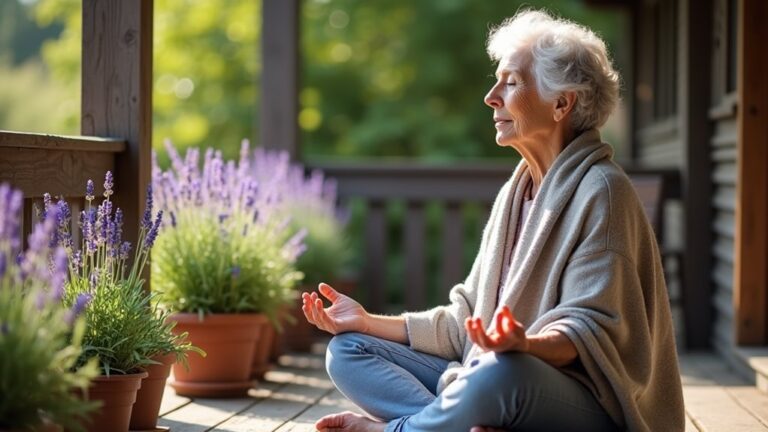
When life feels overwhelming, mindfulness and meditation can provide powerful tools for managing stress and anxiety in your later years. Start with simple breathing exercises, focusing on each inhale and exhale while letting your thoughts drift by like clouds.
You’ll find peace in daily meditation practices that suit your comfort level. Try guided sessions through apps, join local senior meditation groups, or simply sit quietly in your favorite chair. Even five minutes of mindful awareness can help you stay grounded and present.
Maintain Physical Activity and Exercise
Regular physical activity serves as a cornerstone of emotional resilience in your senior years. You’ll find that engaging in exercise, whether it’s walking, swimming, or gentle yoga, helps regulate your mood and reduce anxiety. Join a local seniors’ fitness class to connect with others while staying active.
Don’t feel pressured to take on strenuous workouts. Start with activities you enjoy and gradually build your strength and endurance. Even light stretching or chair exercises can boost your emotional well-being. Remember, movement isn’t just about physical health – it’s about maintaining your independence and staying connected to your body’s natural rhythms.
Embrace a Growth-Oriented Mindset
Despite common misconceptions, your capacity for personal growth doesn’t diminish with age. It’s essential to challenge the belief that seniors can’t learn new skills or adapt to change. By maintaining a growth-oriented mindset, you’ll open yourself to fresh experiences and possibilities.
Start viewing challenges as opportunities to learn rather than threats. Take up new hobbies, learn a language, or master technology. When you encounter setbacks, remind yourself that struggle is part of the learning process. Connect with others who share your desire to grow and celebrate small victories together. This positive approach strengthens your emotional resilience and enriches your life.
Develop Healthy Coping Mechanisms
A growth mindset pairs naturally with strong coping skills to build lasting emotional resilience. You’ll weather life’s challenges better by developing healthy ways to process emotions and stress. Try deep breathing exercises, progressive muscle relaxation, or mindful meditation to calm your mind and body.
Connect with others who share similar experiences through support groups or regular social activities. Express yourself through art, music, or journaling. Stay physically active with gentle exercises that boost your mood naturally. When you’re feeling overwhelmed, reach out to trusted friends, family members, or mental health professionals who can offer guidance and support.