

Emotional Intelligence: Key to Stronger Interpersonal Relationships?
Your emotional intelligence directly shapes the quality of your relationships through five key components: self-awareness, self-regulation, motivation, empathy, and social skills. By understanding and managing your emotions while recognizing others’ feelings, you’ll build deeper connections in both face-to-face and digital interactions. You can strengthen relationships by practicing active listening, showing genuine empathy, and handling conflicts constructively. Discover how developing these emotional competencies can transform your personal and professional connections.
Understanding the Core Components of Emotional Intelligence
While many people associate intelligence solely with cognitive abilities, emotional intelligence encompasses a distinct set of skills that shape how we comprehend and navigate emotions. You’ll find that emotional intelligence consists of five core components: self-awareness, self-regulation, motivation, empathy, and social skills.
When you develop these components, you’re better equipped to recognize your own emotional patterns, manage your responses, and connect with others. You’ll notice how self-awareness helps you identify your feelings, while empathy enables you to understand others’ perspectives. Together, these elements create a foundation for building meaningful relationships and fostering genuine connections.
The Science Behind Emotional Awareness and Social Connections
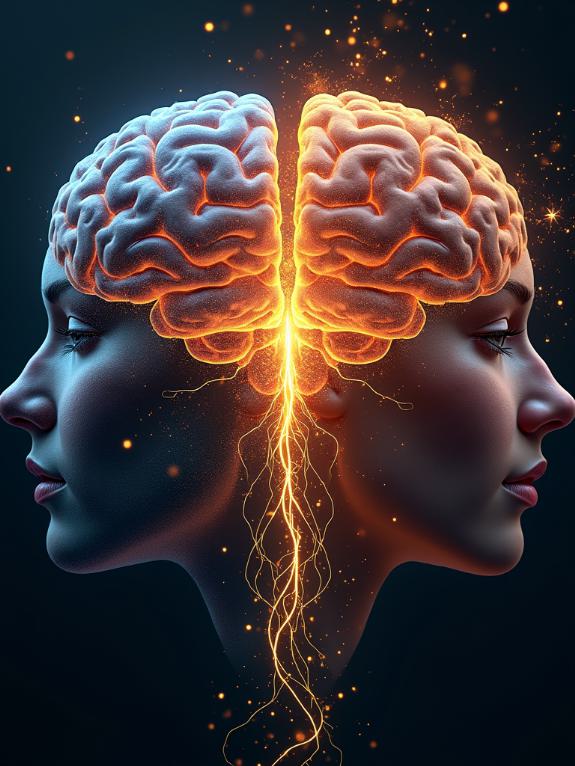
Recent neuroscience research has revealed fascinating insights into how emotional awareness shapes our brain’s social connections. When you’re attuned to emotions, your brain’s mirror neuron system activates more strongly, helping you naturally sync with others’ feelings and expressions. This neural synchronization strengthens your ability to form meaningful relationships.
Your brain’s emotional centers, particularly the amygdala and anterior cingulate cortex, work together to process social cues and emotional signals. By developing your emotional awareness, you’re actually rewiring these neural pathways, making social connections easier and more authentic. This biological foundation explains why emotionally intelligent people often build deeper, more lasting relationships.
Developing Empathy: A Gateway to Meaningful Relationships

Have you ever noticed how truly understanding someone else’s perspective can transform a relationship? When you develop empathy, you create a bridge of connection that lets others feel seen and valued. It’s not just about acknowledging feelings – it’s about experiencing them alongside others.
You can strengthen your empathy by actively listening, asking thoughtful questions, and suspending judgment. Practice putting yourself in others’ shoes, even when their views differ from yours. Notice body language, tone of voice, and unspoken emotions. As you cultivate empathy, you’ll find your relationships becoming deeper, more authentic, and more fulfilling.
Emotional Intelligence in Digital Communication
In today’s digital age, emotional intelligence plays an essential role in how we connect through screens and keyboards. You’ll find that understanding emotional cues in text messages, emails, and social media requires heightened awareness and sensitivity. Without facial expressions or tone of voice to guide you, you must carefully choose your words and interpret others’ messages thoughtfully.
To strengthen your digital emotional intelligence, practice reading between the lines, use emojis mindfully, and pause before responding to emotionally charged messages. Remember that behind every screen is a real person seeking genuine connection, just like you.
Building Trust Through Emotional Competence
Trust emerges naturally when you demonstrate consistent emotional awareness and competence in your relationships. You’ll build deeper connections by recognizing others’ feelings, responding with empathy, and managing your own emotional reactions appropriately.
When you’re genuinely attuned to emotional undercurrents, people feel understood and valued. They’ll notice how you handle conflicts with grace, maintain boundaries respectfully, and show up reliably during both celebrations and challenges. Your emotional competence creates a safe space where vulnerability and authenticity can flourish.
Remember that trust isn’t built overnight – it’s earned through small, consistent actions that show emotional reliability and respect.
Managing Conflict With Emotional Intelligence
While conflicts are inevitable in any relationship, your emotional intelligence skills can transform tense situations into opportunities for growth and understanding. When disagreements arise, pause to recognize both your emotions and those of others. You’ll defuse tension by acknowledging feelings without judgment and expressing your perspective with empathy.
Practice active listening and validate others’ experiences, even if you disagree. By staying aware of emotional triggers and choosing thoughtful responses over reactive behaviors, you’ll build stronger connections. Remember, it’s not about winning arguments but finding solutions that strengthen your relationships and create deeper mutual respect.
The Impact of Self-Awareness on Relationship Quality
Self-awareness serves as the foundation for managing both conflicts and everyday interactions in relationships. When you’re attuned to your emotions, triggers, and behavioral patterns, you’ll better understand how you affect others. This knowledge helps you respond thoughtfully rather than react impulsively.
You’ll notice improvements in your relationships as you develop self-awareness. You’ll communicate more effectively, recognize when you need to apologize, and understand your role in relationship dynamics. By acknowledging your strengths and limitations, you create space for authentic connections. This vulnerability allows others to feel safe sharing their own experiences, fostering deeper, more meaningful relationships.
Practical Strategies for Enhancing Emotional Intelligence
Since emotional intelligence can be developed through practice, several key strategies will help you strengthen this essential skill set. Start by regularly checking in with your emotions through mindfulness exercises and journaling. You’ll gain deeper insights into your emotional patterns and triggers.
Practice active listening when others speak, focusing on both their words and nonverbal cues. Learn to pause before reacting emotionally, giving yourself time to process feelings constructively. Build empathy by imagining situations from others’ perspectives, and work on expressing your emotions clearly while respecting others’ boundaries. These habits will naturally enhance your emotional intelligence over time.