Exercise and Anxiety Management: Can Movement Improve Your Mood?
Exercise is your most powerful natural tool for managing anxiety and improving mood. When you move your body, it releases feel-good chemicals like endorphins, dopamine, and serotonin while reducing stress hormones like cortisol. Even 10 minutes of gentle activity like walking or stretching can help calm your mind and lift your spirits. By understanding how movement affects your brain chemistry, you’ll discover simple strategies to harness its anxiety-fighting benefits.
Understanding the Science Behind Exercise and Mental Health

When you exercise, your brain releases powerful chemicals called endorphins, dopamine, and serotonin that work together to boost your mood and reduce stress. These natural mood enhancers create what many call a “runner’s high,” but you’ll get these benefits from any type of physical activity you enjoy.
Regular exercise also reduces levels of stress hormones like cortisol and adrenaline in your body. You’re literally helping your brain build new neural pathways that make you more resilient to anxiety when you work out. It’s like giving your mind a natural anti-anxiety shield that gets stronger with each workout session.
Types of Physical Activities That Help Reduce Anxiety
Although many forms of exercise can help with anxiety, certain activities prove especially effective at calming your mind and reducing stress. When you’re looking to manage anxiety through movement, you’ll find these activities particularly beneficial for creating a sense of peace and balance in your daily routine.
Movement is a powerful antidote to anxiety, with specific exercises offering a natural path to mental clarity and emotional balance.
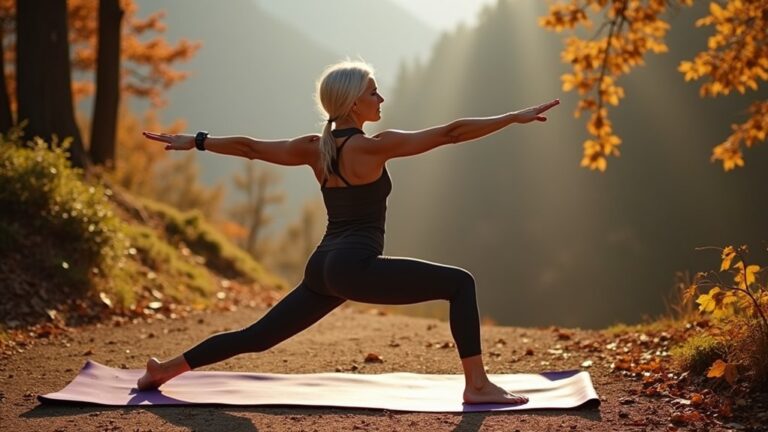
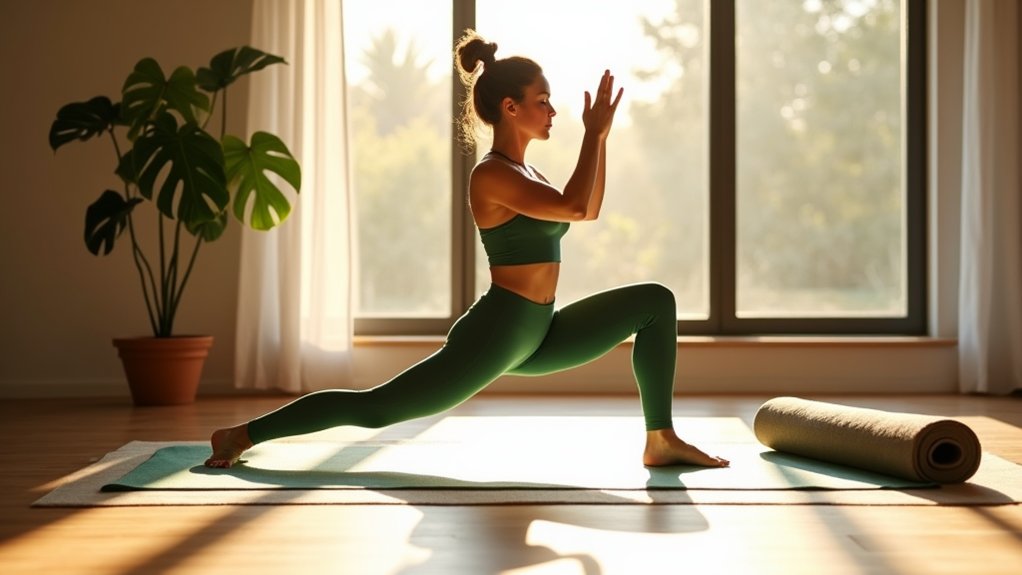
- Yoga and mindful stretching combine physical movement with breathing techniques, helping you stay present and centered
- Low-impact aerobic exercises like walking or swimming allow you to maintain a steady rhythm while clearing your thoughts
- Dancing releases tension and encourages emotional expression through fluid movement
- Tai chi develops mind-body awareness while promoting relaxation through gentle, flowing motions
Creating an Exercise Routine for Anxiety Management
Building an effective exercise routine for anxiety management requires careful planning and realistic goals. Start by choosing activities you’ll genuinely enjoy, making you more likely to stick with them. Schedule your workouts during times when anxiety typically peaks, and begin with just 10-15 minutes per session.
You’ll want to exercise at least three times per week, gradually increasing duration and intensity as your comfort grows. Track your progress and anxiety levels in a journal to identify what works best for you. Remember, you’re joining countless others who’ve found relief through movement, and consistency matters more than perfection.
The Role of Endorphins and Stress Hormones
During physical activity, your body releases powerful chemical messengers called endorphins, which act as natural painkillers and mood elevators. When you exercise, you’ll also reduce levels of stress hormones like cortisol and adrenaline, creating a calming effect that can last for hours.
Exercise unleashes endorphins that naturally reduce pain and boost mood, while lowering stress hormones for lasting calm and balance.
- Your brain produces more serotonin, helping you feel happier and more emotionally stable
- Regular exercise builds resilience to stress by regulating your body’s stress response
- Physical activity increases GABA, a neurotransmitter that helps quiet anxious thoughts
- Movement stimulates the release of dopamine, improving your motivation and focus
These natural chemical changes work together to help you feel more balanced and in control.
Combining Movement With Mindfulness Techniques
Three powerful mindfulness practices can enhance your exercise routine: focused breathing, body scanning, and present-moment awareness. When you combine deep breathing with your movements, you’ll feel more centered and connected to your workout. Try scanning your body during exercise, noticing how each muscle engages and releases tension.
Stay present by tuning into the sensations of your feet hitting the ground, your heart beating, or the rhythm of your motion. You’ll find that merging mindfulness with movement not only reduces anxiety but also creates a deeper mind-body connection that transforms your workout into a meditative experience.
Overcoming Exercise Barriers When Feeling Anxious

When anxiety levels spike, getting started with exercise can feel overwhelming and impossible. Breaking through these mental barriers requires small, manageable steps that build confidence and momentum. You’re not alone in facing these challenges, and there are proven strategies to help you move forward.
- Start with just 5 minutes of gentle movement – walking, stretching, or dancing in your living room
- Choose activities that feel safe and comfortable rather than pushing yourself too hard
- Find an exercise buddy who understands anxiety and can offer support
- Set realistic expectations and celebrate small victories, even if it’s just putting on workout clothes
Building Long-Term Habits for Mental Wellness
Successfully managing anxiety through exercise requires building sustainable habits that become part of your daily routine. Start by choosing activities you genuinely enjoy and can realistically maintain. Schedule your workouts like any other important appointment, and consider finding an exercise buddy who shares your wellness goals.
Track your progress using a fitness app or journal, celebrating small wins along the way. Remember, you’re part of a community of people working toward better mental health. When you miss a day, don’t beat yourself up – simply return to your routine the next day. Consistency matters more than perfection.