
Nutrition for Brain Health: Essential Tips for Older Adults
You’ll boost your brain health by focusing on omega-3 rich foods like fatty fish, walnuts, and flaxseeds, while incorporating colorful fruits and vegetables packed with antioxidants. Don’t forget to stay hydrated and include B vitamins, vitamin D, iron, and magnesium in your diet. Following a Mediterranean-style eating pattern can help protect your cognitive function as you age. Learn how simple dietary changes can transform your mental sharpness and memory.
The Role of Omega-3 Fatty Acids in Cognitive Function
While many nutrients support brain health, omega-3 fatty acids play an essential role in maintaining cognitive function throughout life. You’ll find these powerful compounds primarily in fatty fish like salmon, mackerel, and sardines, as well as in walnuts and flaxseeds.
Your brain relies on omega-3s to build and repair cell membranes, reduce inflammation, and support memory formation. They’re especially important as you age, helping protect against cognitive decline. To boost your intake, try adding fish to your meals twice a week or incorporating plant-based sources into your daily diet.
Brain-Boosting Antioxidants and Their Food Sources
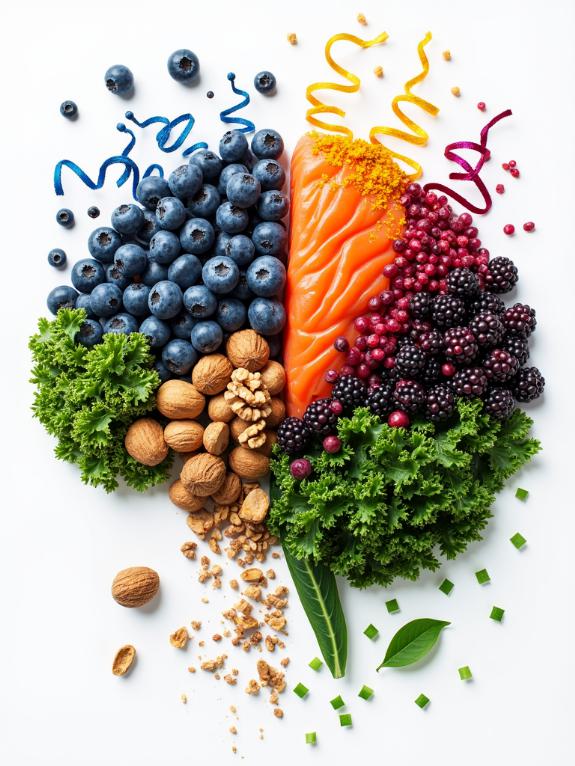
Because your brain is particularly vulnerable to oxidative stress, antioxidants serve as critical defenders against free radical damage. You’ll find powerful brain-protecting antioxidants in colorful fruits and vegetables. Blueberries, strawberries, and blackberries are rich in flavonoids that improve memory and delay cognitive aging. Dark leafy greens like spinach and kale provide vitamin E, while bright orange foods like sweet potatoes and carrots deliver beta-carotene. Don’t forget to include nuts, especially walnuts and pecans, which contain both antioxidants and healthy fats. Adding these foods to your daily diet helps shield your brain from damage.
Essential Vitamins and Minerals for Mental Sharpness
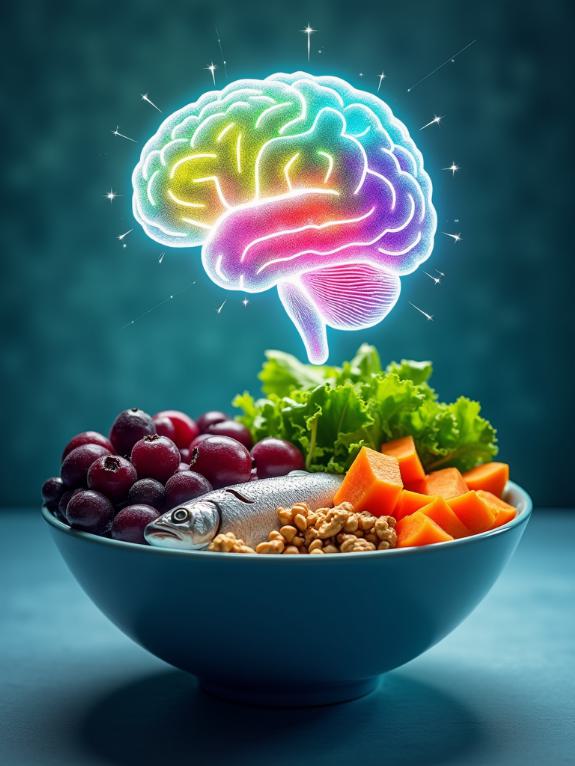
Several key vitamins and minerals play essential roles in maintaining your cognitive function and mental clarity. Your brain particularly needs B vitamins, especially B12, B6, and folate, to support memory and mood. You’ll also benefit from vitamin D, which protects your neurons and helps prevent cognitive decline. Iron keeps your mind sharp by ensuring proper oxygen flow to your brain, while magnesium supports learning and memory functions. Zinc aids in neurotransmitter production, and selenium helps reduce inflammation in your brain tissue. Together, these nutrients form a powerful team that keeps your mind functioning at its best.
Hydration and Brain Performance in Aging Adults
When your body lacks adequate hydration, your brain’s performance can decline considerably, a risk that becomes more pronounced with age. You’ll notice difficulties with memory, focus, and decision-making when you’re not drinking enough water. As part of our aging community, you need to be especially mindful of staying hydrated.
Make it a habit to drink water throughout the day, even when you’re not feeling thirsty. Keep a reusable water bottle nearby and aim for 6-8 glasses daily. If you’re taking medications or exercising, you’ll need to increase your intake to maintain peak brain function.
Mediterranean Diet: A Blueprint for Brain Health
Research consistently shows that following a Mediterranean diet can greatly boost your brain health and cognitive function. You’ll join countless others who’ve discovered the benefits of this eating pattern rich in olive oil, fish, whole grains, and colorful vegetables.
When you embrace this diet, you’re choosing foods that fight inflammation and oxidative stress in your brain. Like many successful agers, you’ll enjoy plenty of leafy greens, berries, nuts, and fatty fish while limiting red meat and processed foods. Studies show this way of eating can help protect your memory and may even reduce your risk of developing Alzheimer’s disease.
Foods to Limit for Optimal Cognitive Function
While enjoying brain-boosting foods is essential, you’ll need to minimize certain items that can impair cognitive function. Cut back on foods high in saturated fats like processed meats, butter, and full-fat dairy, as they can increase inflammation and affect memory. Limit your intake of refined sugars found in sodas, candies, and baked goods – they’re linked to reduced brain volume and cognitive decline.
Watch out for foods with high sodium content and artificial additives. Instead, join the growing community of health-conscious adults who’ve switched to whole, unprocessed options. Your brain will thank you for making these smart dietary choices.
Meal Planning Strategies for Better Brain Nutrition
Ready to transform your dietary habits for better brain health? Start by planning your weekly meals around brain-boosting ingredients. You’ll find it easier to stick to healthy choices when you prepare in advance.
Create a shopping list featuring colorful vegetables, fatty fish, nuts, and whole grains. Plan to cook extra portions for convenient leftovers. Try batch-cooking brain-healthy soups and stews on weekends. Keep nutritious snacks like berries and walnuts readily available.
Consider joining a meal-planning group or sharing recipes with friends who share your health goals. When you’re organized and supported, you’re more likely to maintain these beneficial eating habits long-term.