

The Impact of Caregiving on Mental Health: What You Should Know
As a caregiver, you’ll likely face significant mental health challenges, including anxiety, depression, and burnout from the constant demands of caring for others. You might experience social isolation, guilt, and emotional exhaustion while balancing multiple responsibilities. It’s essential to recognize these impacts and prioritize your own well-being through self-care strategies and support systems. Understanding the full scope of caregiving’s mental health effects can help you better prepare and protect yourself.
Common Mental Health Challenges Faced by Caregivers
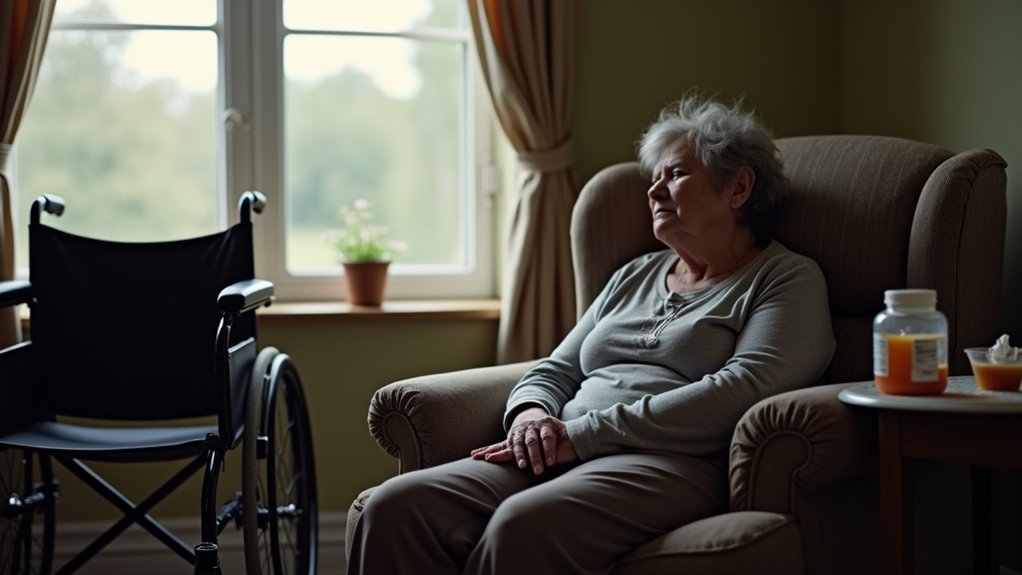
While providing care for a loved one can be deeply rewarding, caregivers often experience significant mental health challenges that can impact their wellbeing. You might find yourself struggling with anxiety as you balance multiple responsibilities or depression from the emotional weight of watching someone’s health decline. Many caregivers face burnout from chronic stress and exhaustion, feeling overwhelmed by the constant demands. Social isolation can creep in as you spend less time with friends and family. You’re not alone if you experience feelings of guilt, grief, or anger – these are natural responses to the complex emotions caregiving brings.
Understanding Caregiver Burnout and Compassion Fatigue
Because caregiving demands constant emotional and physical energy, understanding the difference between burnout and compassion fatigue is essential for your wellbeing. Burnout develops gradually when you’re overwhelmed by caregiving tasks, leading to exhaustion, detachment, and feelings of ineffectiveness. You’ll notice decreased motivation and growing resentment toward your responsibilities.
Compassion fatigue, however, can strike suddenly. It occurs when you’re so invested in your loved one’s suffering that you experience secondary trauma. You might feel hopeless, anxious, and unable to separate their pain from your own emotional state.
The Hidden Emotional Toll of Long-Term Care
As you navigate the journey of long-term caregiving, you’ll encounter emotional challenges that often go unspoken or unrecognized. You might feel waves of grief while caring for a loved one who’s gradually changing, or experience unexpected anger at your situation. These feelings are normal and shared by many caregivers.
You’re not alone in struggling with guilt when you need personal time, or feeling isolated from friends who don’t understand your responsibilities. The complex mix of love, duty, and exhaustion can create deep emotional undercurrents that affect your daily life. Acknowledging these hidden feelings is your first step toward emotional well-being.
Warning Signs Your Mental Health Needs Attention
When you’re focused on someone else’s needs around the clock, it’s easy to miss the subtle signs that your own mental health is suffering. You might notice you’re sleeping poorly, losing appetite, or feeling irritable with your loved one. Watch for persistent anxiety, difficulty concentrating, and unexplained physical symptoms like headaches or muscle tension.
If you’re withdrawing from friends, crying frequently, or feeling hopeless about the future, it’s time to reach out. You’re not alone – many caregivers experience these symptoms. Don’t wait until you’re overwhelmed. Your wellbeing matters just as much as your loved one’s.
Essential Self-Care Strategies for Caregivers
Self-care isn’t a luxury for caregivers – it’s a necessity for survival. You need to prioritize your own well-being to effectively care for others. Start by scheduling short breaks throughout your day to recharge, even if it’s just 10 minutes of quiet time. Connect with other caregivers who understand your journey through support groups or online communities. Make time for physical activity, proper nutrition, and adequate sleep. Don’t hesitate to ask family members or friends for help when you’re feeling overwhelmed. Remember, taking care of yourself enables you to provide better care for your loved one.
Building a Support System and Finding Resources

Building a strong support system can make the difference between feeling isolated and feeling empowered in your caregiving journey. You’re not meant to handle everything alone, and connecting with others who understand your experience can provide emotional relief and practical help. Reach out to local support groups, online communities, and professional resources to create your network of support.
- Join caregiver support groups in your area or online to share experiences and advice with others who truly understand
- Connect with respite care services to get breaks when you need them
- Explore community resources like adult day programs, meal delivery, and transportation assistance
Professional Help and Treatment Options
Although caregiving responsibilities can feel all-consuming, seeking professional help isn’t a sign of weakness – it’s an essential step in maintaining your wellbeing. Mental health professionals who specialize in caregiver support can provide you with effective coping strategies and treatment options tailored to your needs.
Consider exploring therapy approaches like cognitive behavioral therapy (CBT), mindfulness training, or support groups specifically for caregivers. Many therapists now offer telehealth sessions, making it easier to fit treatment into your busy schedule. You’re not alone – connecting with professionals who understand your journey can provide relief, guidance, and practical tools for managing stress.