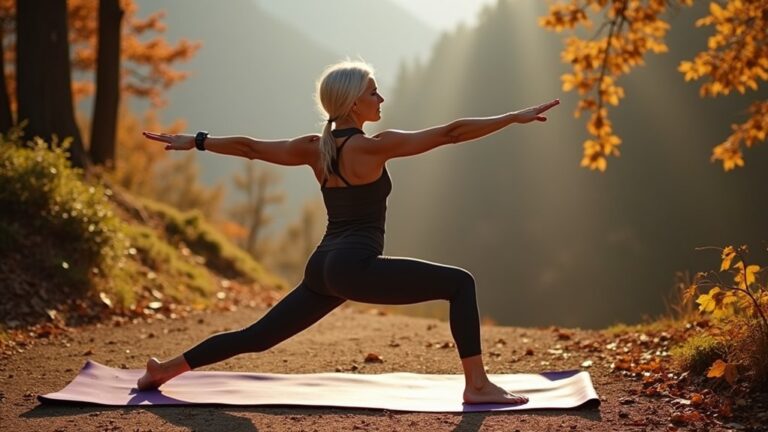

Unlocking the Benefits of Exercise for Mental Health
Exercise transforms your mental health by triggering the release of mood-boosting endorphins and essential neurotransmitters in your brain. You’ll experience reduced stress, anxiety, and depression while enhancing your overall emotional well-being through activities like running, strength training, or yoga. Starting with just 10-15 minutes daily can create significant positive changes in your mental state. Discover how different types of movement can revolutionize your psychological wellness journey.
The Science Behind Exercise and Mental Well-being

When you exercise, your brain releases powerful chemicals called endorphins and neurotransmitters that directly affect your mood and mental state. These natural compounds reduce stress, anxiety, and depression while boosting your sense of happiness and well-being.
Regular physical activity also increases blood flow to your brain, promoting the growth of new neural connections and enhancing cognitive function. You’ll experience improved memory, sharper focus, and better emotional regulation. Exercise even stimulates the production of BDNF (Brain-Derived Neurotrophic Factor), which acts like fertilizer for your brain cells, helping them grow and thrive.
Different Types of Exercise for Emotional Balance
Three core types of exercise can help you maintain emotional balance: aerobic activities, strength training, and mind-body practices. Each type offers unique benefits that work together to boost your mood and reduce stress.
- Join a local running group or dance class for aerobic exercise – you’ll release endorphins while connecting with others who share your goals
- Build confidence through weight training, whether at home or in group sessions at your gym
- Practice yoga or tai chi to strengthen the mind-body connection and find inner calm
- Try walking meditation to combine gentle movement with mindfulness techniques
Building a Sustainable Exercise Routine for Mental Health
Although starting a new exercise routine can feel intimidating, creating sustainable habits doesn’t require drastic lifestyle changes. Start by choosing activities you genuinely enjoy and can realistically fit into your schedule. You’ll find it easier to stick with exercise when you connect with others who share similar goals.
Begin with just 10-15 minutes daily, then gradually increase duration as your confidence grows. Schedule workouts during your most energetic hours and prepare your gear the night before. Remember, consistency matters more than intensity. When you miss a day, don’t give up – simply resume your routine the next day.
How Physical Activity Combats Anxiety and Depression
Regular physical activity acts as a powerful natural antidepressant by triggering the release of endorphins and other mood-enhancing neurotransmitters in your brain. When you’re feeling anxious or depressed, exercise can be your ally in reclaiming control of your mental well-being.
Exercise is nature’s antidepressant, flooding your brain with feel-good chemicals that help you take charge of anxiety and depression.
- Exercise reduces stress hormones like cortisol and adrenaline while promoting relaxation
- Physical activity improves sleep quality, helping you maintain emotional balance
- Working out boosts self-esteem and confidence through goal achievement
- Regular movement creates opportunities for social connection and community support
Join others who’ve discovered that moving your body is one of the most effective ways to lift your mood and calm your mind.
Creating Mind-Body Connection Through Movement
Moving beyond mood enhancement, physical activity opens the door to a deeper awareness of your body and mind working in harmony. As you exercise, you’ll notice how your breathing syncs with your movements, creating a natural rhythm that grounds you in the present moment.
Through mindful movement, you’re developing a stronger connection to physical sensations, thoughts, and emotions. Whether you’re stretching in yoga, finding your stride while running, or flowing through dance, you’re building a profound understanding of your body’s signals and capabilities. This heightened awareness carries over into daily life, helping you respond better to stress and physical needs.