Effective Coping Strategies for Anxiety in Seniors
You can manage anxiety effectively in your senior years through several proven strategies. Start with gentle physical exercise like walking or swimming to boost your mood. Practice mindfulness and deep breathing exercises to calm your nerves. Stay connected with family and friends through regular gatherings or video calls. Don’t hesitate to seek professional help when needed. These core approaches work together to create a thorough foundation for anxiety relief, with many more techniques to explore.
Understanding Anxiety Symptoms in Older Adults

While anxiety can affect people of all ages, older adults often experience symptoms differently than younger individuals. You’ll notice physical signs like rapid heartbeat, shortness of breath, and digestive issues may become more pronounced. You might also struggle with excessive worrying about health, family, or finances.
Common signs include difficulty sleeping, irritability, and trouble concentrating on daily tasks. It’s important to recognize that feeling restless, tense muscles, and becoming easily fatigued aren’t just part of aging – they could indicate anxiety. You’re not alone in experiencing these symptoms, and identifying them is the first step toward finding relief.
The Role of Physical Exercise in Managing Anxiety

Regular exercise serves as a powerful tool for managing anxiety in seniors, offering both immediate and long-term relief from symptoms. You’ll find that even gentle activities like walking, swimming, or chair yoga can release endorphins, your body’s natural stress fighters. These exercises help you maintain balance, strength, and flexibility while reducing tension and worry.
When you join a fitness class or walking group, you’re not just moving your body – you’re connecting with others who share similar goals. Remember to start slowly and choose activities you enjoy. You’ll be more likely to stick with exercise when it feels rewarding and social.
Mindfulness and Relaxation Techniques
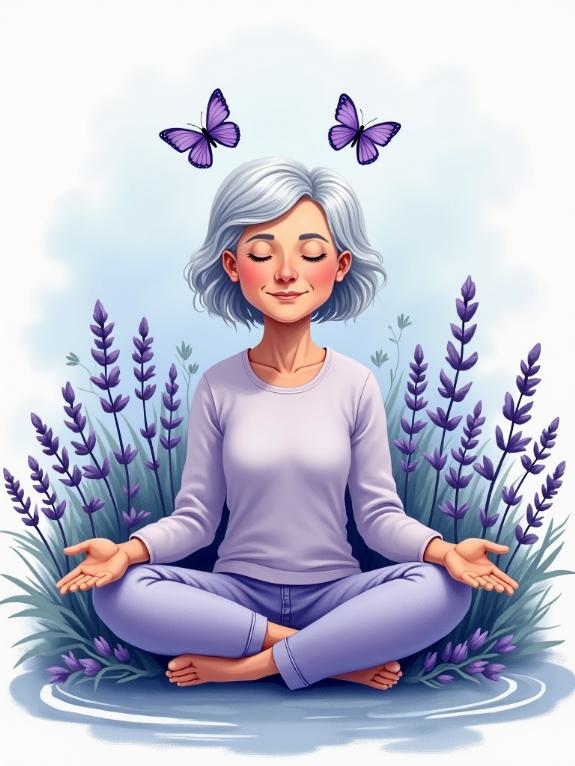
Beyond physical movement, your mind needs tools to find calm and balance. You’ll discover peace through mindfulness meditation, where you simply observe your thoughts without judgment. Start with five minutes of focused breathing each morning.
Deep breathing exercises can quickly calm your nervous system. Try the 4-7-8 technique: breathe in for four counts, hold for seven, and exhale for eight. Progressive muscle relaxation helps release physical tension – tighten and relax each muscle group from toes to head.
You’re not alone in seeking tranquility. Join local meditation groups or use guided relaxation apps to build your mindfulness practice alongside others.
Building Strong Social Connections
Since isolation can intensify anxiety, maintaining strong social bonds becomes essential in your golden years. You’ll find comfort in connecting with family members through regular video calls or weekly gatherings. Join local senior centers or community groups where you can meet peers who share your interests. Consider volunteering at nearby organizations – it’s a fulfilling way to stay socially engaged while helping others. Don’t hesitate to reach out to old friends and nurture those relationships. Even small interactions, like chatting with neighbors during your daily walk, can greatly boost your emotional well-being and reduce anxiety symptoms.
Professional Treatment Options and Support
While many seniors benefit from lifestyle changes and self-help strategies, professional treatment remains a cornerstone in managing anxiety effectively. You’re not alone in seeking expert help, and there’s strength in reaching out to mental health professionals who understand your unique needs.
- Schedule an appointment with your doctor or mental health specialist to discuss therapy options, including cognitive behavioral therapy (CBT) or relaxation techniques
- Consider joining support groups where you’ll meet others who share similar experiences
- Work with your healthcare provider to evaluate whether medication might be helpful as part of your treatment plan
Creating a Healthy Daily Routine
When anxiety disrupts your life, establishing a structured daily routine can provide a sense of control and stability. Start your morning with gentle stretches and deep breathing exercises. Set regular times for meals, medication, and self-care activities.
Include meaningful social connections in your schedule, whether it’s a daily phone call with family or joining community activities. Make time for hobbies that bring you joy and relaxation. Plan regular outdoor walks to boost your mood through natural light and movement.
Wind down each evening with calming activities like reading or listening to soft music. Maintain consistent sleep and wake times to regulate your body’s natural rhythm.
Natural Remedies and Lifestyle Modifications
As you explore natural ways to manage anxiety, several gentle remedies and lifestyle changes can complement your existing care routine. These time-tested approaches can help you feel more balanced and connected to your well-being.
- Try calming herbs like chamomile tea, lavender, or passionflower – many seniors find these soothing additions to their evening ritual
- Embrace gentle movement through tai chi or yoga, which can reduce stress while improving balance and flexibility
- Practice mindful breathing techniques or meditation for 10 minutes daily, joining the growing community of seniors who’ve discovered these powerful anxiety-management tools