
The Neuroscience of Mental Health: What You Need to Know
Your brain’s complex network of neurons directly influences your mental health through chemical messengers called neurotransmitters. When these brain chemicals are in balance, you’ll experience stable moods and clear thinking. Mental health conditions can arise from disruptions in neural communication, but your brain’s natural plasticity allows for positive change. Modern neuroscience tools and treatments offer promising paths forward, with breakthrough therapies transforming how we approach mental wellness.
The Brain’s Building Blocks: Neurons and Mental Health
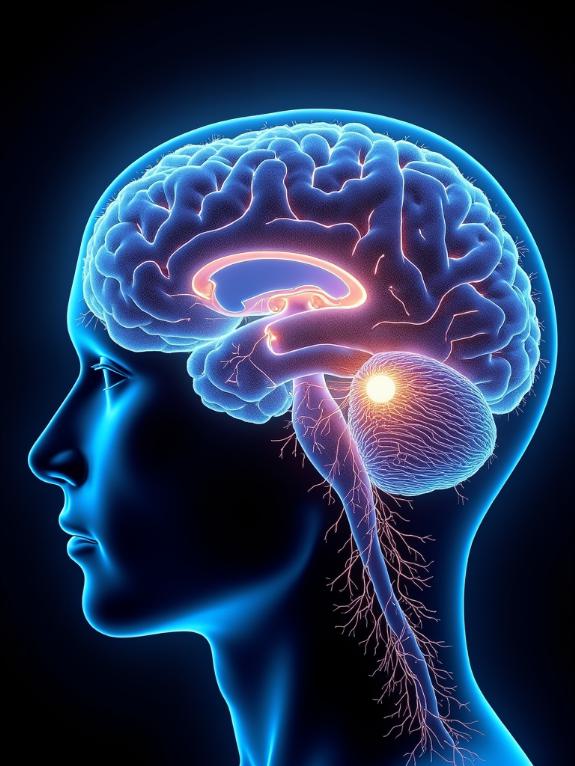
While billions of neurons form the foundation of your brain, these specialized cells play an essential role in mental health through their intricate communication networks. Your neurons connect and communicate using chemical messengers called neurotransmitters, which influence your thoughts, emotions, and behaviors.
When your neurons function properly, they help maintain mental wellness. However, disruptions in neural communication can contribute to various mental health conditions. Whether you’re experiencing anxiety, depression, or other challenges, remember that your brain’s neuroplasticity means these neural pathways can change. You’re not alone – understanding your brain’s cellular foundation is the first step toward better mental health.
How Brain Chemistry Affects Mood and Behavior
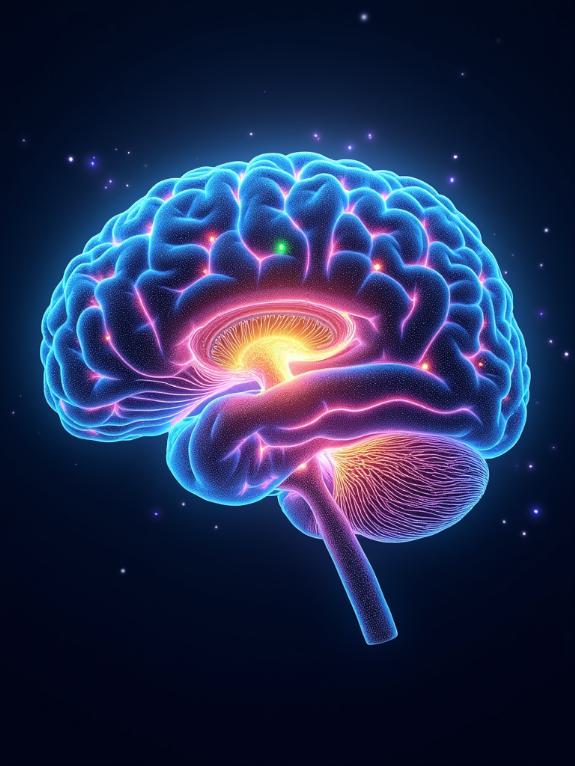
The delicate balance of chemicals in your brain directly influences how you think, feel, and act throughout each day. Your neurons communicate using neurotransmitters like serotonin, dopamine, and norepinephrine to regulate your emotions and behaviors. When these chemical messengers work in harmony, you’re more likely to experience stable moods and clear thinking.
Changes in brain chemistry can affect your mental well-being. Too much or too little of certain neurotransmitters may lead to anxiety, depression, or mood swings. Understanding this connection helps explain why both medication and lifestyle changes can improve your mental health.
Mapping Mental Health Conditions in the Brain
Modern brain imaging techniques have revolutionized how scientists understand mental health conditions. You can now see depression’s impact in reduced activity within the prefrontal cortex, while anxiety shows up as heightened responses in the amygdala. Schizophrenia appears as distinct patterns in multiple brain regions, and PTSD leaves visible traces in the hippocampus.
You’re not alone in your experiences – these brain maps show that mental health conditions are real, physical changes in your brain’s structure and function. Understanding where these conditions manifest helps doctors develop more targeted treatments and validates the challenges you’re facing.
Modern Neuroscience Tools and Treatment Breakthroughs
Recent advances in neuroscience have equipped researchers with powerful new tools to study and treat brain disorders. You’ll find cutting-edge technologies like functional MRI, optogenetics, and deep brain stimulation leading the way in understanding and treating mental health conditions. These tools let scientists map neural circuits and modify brain activity with unprecedented precision.
You’re living in an era where targeted treatments are becoming reality. From transcranial magnetic stimulation for depression to neurofeedback for anxiety, you now have access to therapies that directly address brain function. Novel approaches like ketamine therapy and personalized medicine are revolutionizing how you’ll receive mental health care.
Brain Plasticity and the Path to Recovery
Brain plasticity stands at the heart of these revolutionary treatments, offering hope for recovery across many mental health conditions. Your brain’s ability to rewire and adapt means you’re never locked into any single pattern of thinking or behavior. Through targeted interventions and consistent practice, you can harness your brain’s natural healing capacity.
- You’ll discover your brain can form new neural pathways at any age
- You’re equipped with the innate power to overcome past trauma
- Your efforts to change thought patterns create lasting physical changes in your brain
- You’re part of a community that understands the journey of neural transformation