
Neuroplasticity Exercises for Enhanced Mental Wellness: How?
You can strengthen your brain’s neural pathways through targeted neuroplasticity exercises, starting with just 10 minutes daily. Focus on activities like mindfulness meditation, memory games, or learning a new skill to forge fresh connections. Combine these mental workouts with brain-boosting lifestyle habits like quality sleep, exercise, and healthy eating. Track subtle improvements in your memory, problem-solving, and emotional resilience as you discover the transformative power of brain training.
Understanding Neuroplasticity: The Science Behind Brain Adaptation

While scientists once believed the brain was fixed after childhood, we now know that our brains can change and rewire themselves throughout our lives. This remarkable ability is called neuroplasticity – your brain’s capacity to form new neural connections and pathways through learning and experiences.
You’re constantly shaping your brain through daily activities, thoughts, and habits. When you learn something new or repeat an action, your neurons fire together, strengthening their connections. It’s like creating well-worn paths in your mental landscape. This adaptability means you can actively participate in rewiring your brain for better mental health and cognitive performance.
Key Mental Exercises to Rewire Your Brain
Several powerful mental exercises can help you harness your brain’s natural plasticity and enhance your cognitive abilities. Try mindfulness meditation to strengthen your attention and emotional regulation. Challenge yourself with memory games and puzzles that push your mental boundaries. Learn a new language or musical instrument to create fresh neural pathways. Practice visualization techniques to improve your mental imagery and problem-solving skills. Switch up your daily routines to form new connections. When you combine these exercises with social interaction and physical activity, you’ll maximize your brain’s adaptability and create lasting positive changes.
Lifestyle Habits That Boost Neural Connections
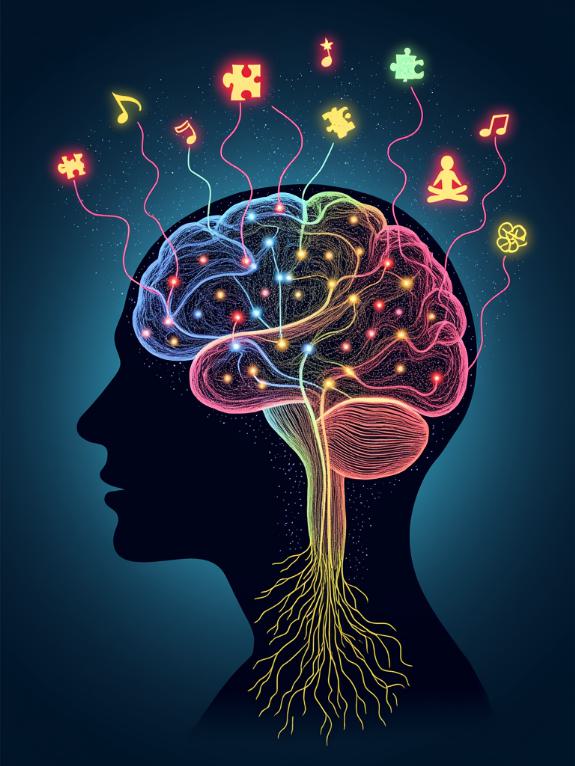
Beyond specific mental exercises, your daily lifestyle choices play a crucial role in strengthening neural connections. You’ll boost your brain’s adaptability through regular physical exercise, especially activities that combine movement with learning, like dance or martial arts. Quality sleep gives your brain time to consolidate memories and form new neural pathways, while a diet rich in omega-3s and antioxidants provides essential building blocks for brain health. Stay socially connected – meaningful relationships stimulate your brain’s social networks. Embrace new experiences and environments regularly, as novelty triggers your brain to create fresh neural pathways and strengthen existing ones.
Measuring Progress: Signs Your Brain Is Changing
How can you tell if your neuroplasticity exercises are actually working? You’ll notice subtle changes in your daily life that signal your brain’s transformation. You’re remembering names more easily and solving problems faster. Tasks that once required intense focus now feel natural and automatic.
Your emotional resilience is growing too. You’re handling stress better and bouncing back quicker from setbacks. You’ll find yourself picking up new skills more rapidly and making connections between different areas of knowledge. Your sleep quality may improve, and you might experience enhanced mental clarity throughout the day. These changes indicate your brain’s successful adaptation.
Creating Your Personal Neuroplasticity Training Plan
Building an effective neuroplasticity training plan requires a thoughtful balance of challenge and consistency. You’ll want to create a schedule that fits naturally into your daily routine while pushing your cognitive boundaries in meaningful ways.
Success in brain training comes down to finding your sweet spot between comfortable habits and growth-provoking challenges that stretch your mental limits.
- Start with a 10-minute daily practice focusing on one skill, like memory exercises or mindfulness meditation
- Gradually increase difficulty as you master each level, keeping yourself in the productive struggle zone
- Track your progress using a journal or app to stay motivated and identify patterns
- Connect with others working on similar goals to share experiences and maintain accountability