
Debunking Myths About Mental Health
I want to help you understand that mental health conditions aren’t character flaws or signs of weakness – they’re real medical issues backed by scientific research. They stem from complex interactions between biology, psychology, and environment. Despite harmful stigmas, seeking treatment shows strength, not weakness. Modern treatments, from therapy to medication, can effectively support recovery. Let’s explore how we can break down misconceptions and promote better understanding together.
Common Misconceptions About Mental Illness and Recovery

Although mental health awareness has improved in recent years, dangerous myths about mental illness continue to spread misinformation and stigma. I want to address several misconceptions that might sound familiar to you. Mental illness isn’t a sign of weakness or character flaw – it’s a real medical condition that requires proper treatment. You can’t simply “snap out of it” or “try harder” to get better. Recovery isn’t linear either; it’s a unique journey that looks different for everyone. Most importantly, seeking help isn’t shameful – it’s a brave step toward healing and self-care.
The Science Behind Mental Health Conditions
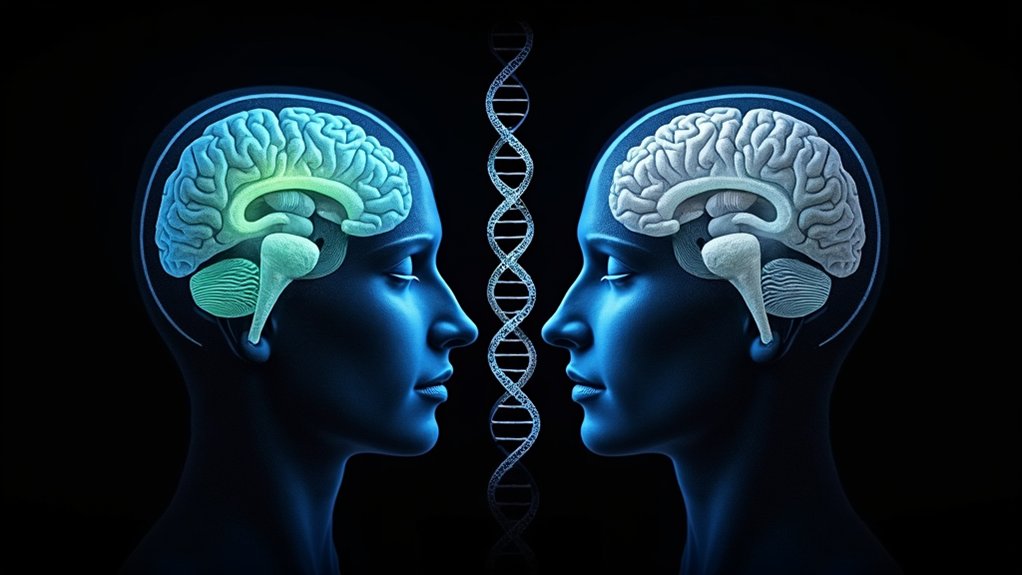
While scientists are still uncovering new insights about mental health conditions, we now understand that they stem from complex interactions between biological, psychological, and environmental factors.
I want you to know that your brain chemistry, genetic predisposition, and life experiences all play significant roles in mental health. When I explain this to my patients, I emphasize that mental illness isn’t simply “all in your head” – it’s as real as any physical condition. Brain scans show us physical differences, genetic studies reveal hereditary patterns, and research confirms that trauma and stress can literally change our brain structure. Understanding this science helps reduce stigma and validates your experiences.
Breaking Down Social Stigmas and Stereotypes
Despite our growing scientific understanding of mental health, harmful social stigmas continue to affect how society views and treats people with mental health conditions. I’ve seen how these misconceptions lead to discrimination, shame, and reluctance to seek help.
Let’s challenge these outdated beliefs together. When you hear someone say mental illness is “just weakness” or “all in their head,” speak up. Share facts about how mental health conditions are real medical issues, just like diabetes or heart disease.
Treatment Options and Their Effectiveness
Since mental health treatment has evolved considerably over recent decades, people now have access to many evidence-based options that can effectively manage their conditions.
I want you to know that modern treatments combine therapy, medication, and lifestyle changes. You’ll find that cognitive behavioral therapy helps reshape negative thought patterns, while medications can balance brain chemistry. Alternative approaches like mindfulness and meditation complement traditional treatments.
What’s important is finding what works for you. I’ve seen many people thrive with personalized treatment plans that may include individual counseling, group therapy, or holistic methods. Remember, seeking help isn’t weakness – it’s a powerful step toward wellness.
Supporting Mental Wellness in Daily Life
As you navigate daily life, maintaining good mental health requires consistent self-care practices and healthy habits. I encourage you to start with small, manageable steps like getting enough sleep, eating nutritious meals, and moving your body regularly.
Connect with others who understand your journey – whether it’s friends, family, or support groups. Set boundaries to protect your energy and learn to say “no” when needed. Practice mindfulness through meditation, journaling, or simply taking quiet moments for yourself.