
Why Combat Loneliness in Retirement Transition?
When you retire, you’ll lose daily workplace interactions that once filled your social calendar, putting you at risk for serious health issues. Studies show retirement isolation can be as harmful as smoking 15 cigarettes daily, weakening your immunity and increasing chances of cardiovascular disease. You’re also more vulnerable to depression and anxiety during the first two years after leaving work. Understanding how to build meaningful connections now will help you protect your physical and mental well-being.
The Hidden Impact of Social Disconnection After Work
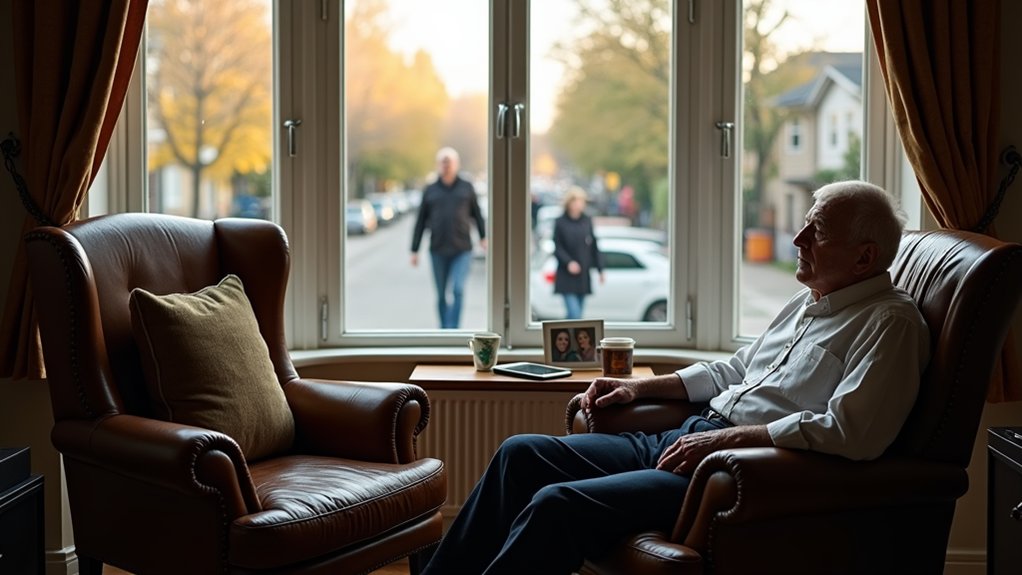
Although retirement brings newfound freedom, the sudden loss of daily workplace interactions can trigger unexpected feelings of isolation. You’ll notice the absence of morning greetings, lunch break conversations, and team meetings that once filled your days. This social void can affect your mental health, leading to decreased motivation and cognitive decline.
Without the built-in social network that work provided, you might find yourself drifting from meaningful connections. Your sense of purpose and identity, often tied to professional relationships, may feel diminished. These changes can create a ripple effect, impacting your overall well-being and quality of life.
Understanding the Physical Health Risks of Retirement Isolation
The effects of social isolation reach far beyond emotional well-being and into your physical health. When you’re isolated during retirement, you’re at higher risk for cardiovascular disease, weakened immunity, and chronic inflammation. Your blood pressure may rise, and you’ll face an increased chance of stroke.
Research shows that loneliness can be as harmful as smoking 15 cigarettes daily. You might experience disrupted sleep patterns, poor appetite, and accelerated cognitive decline. These physical effects can create a damaging cycle – as your health declines, you may withdraw further, leading to more isolation and additional health complications.
Mental Wellness and the Retirement Social Gap
While physical health risks of retirement isolation are concerning, mental wellness challenges can be equally devastating. You’ll face heightened risks of depression, anxiety, and cognitive decline when you lose daily workplace interactions. Your sense of purpose and identity, often tied to your career, may feel threatened, leading to decreased self-worth.
You’re not alone in this experience. The retirement social gap affects millions, as work relationships fade and routines shift. Depression rates among retirees spike during the first two years, particularly for those who don’t maintain strong social connections. Building new support networks becomes vital for protecting your mental health.
Building New Social Networks Beyond the Workplace
Breaking free from workplace relationships requires deliberate effort to forge new social connections. You’ll need to explore community groups, hobby clubs, or volunteer opportunities that align with your interests and values. Don’t hesitate to join local sports teams, book clubs, or religious organizations where you can meet like-minded people.
Consider taking classes at community centers or pursuing activities you’ve always wanted to try. Online platforms and social media groups can help you connect with others who share your passions. Remember to nurture these new relationships through regular contact and meaningful interactions. Each connection you make builds a stronger support network for your retirement journey.
Maintaining Purpose Through Community Engagement
Finding purpose after retirement often hinges on your level of community involvement. You’ll discover meaningful opportunities by volunteering at local charities, mentoring youth, or joining civic organizations. These activities not only fill your time but also create lasting impact in your community.
Consider sharing your professional expertise with nonprofit boards or teaching skills to others at community centers. You might organize neighborhood events or participate in local government initiatives. By connecting with causes you care about, you’ll maintain a strong sense of identity and accomplish goals that matter beyond your career years.
Strategies for Meaningful Daily Connections
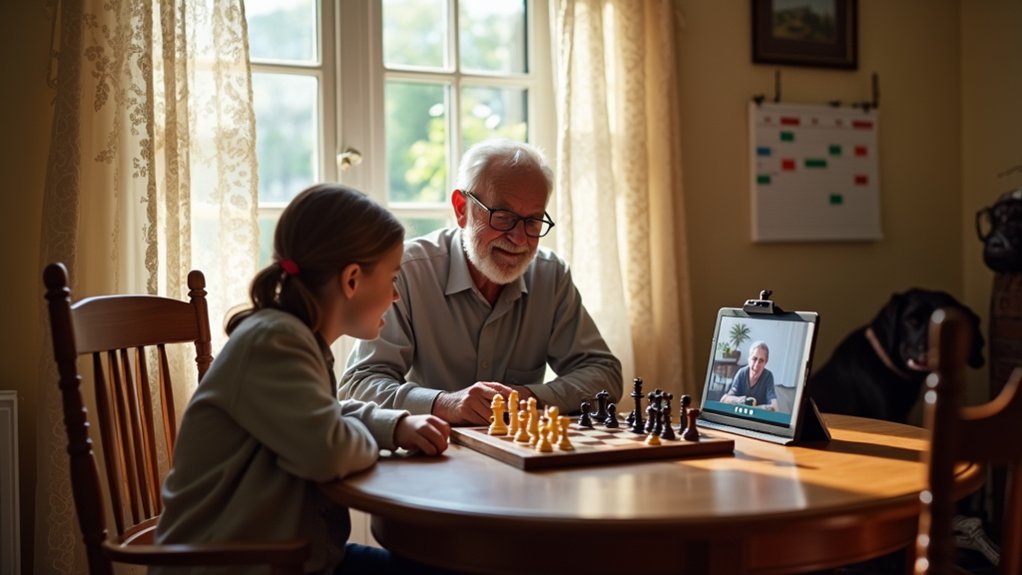
Building daily connections requires intentional effort, especially after leaving the workplace. You’ll find opportunities by establishing regular routines at local spots like coffee shops, libraries, or fitness centers. Strike up conversations with familiar faces and learn their names.
Technology can bridge social gaps – schedule weekly video calls with family or join online hobby groups. Consider adopting a pet for companionship and to meet other pet owners during walks.
Start small by greeting neighbors, joining a book club, or volunteering weekly. Remember that meaningful connections develop gradually through consistent, genuine interactions rather than forced conversations.
Creating a Balanced Social Schedule in Retirement
While retirement offers newfound freedom, maintaining a healthy balance of social activities requires thoughtful planning. Start by scheduling one meaningful social connection each day, whether it’s coffee with a friend or a phone call with family. Mix structured activities like book clubs or fitness classes with spontaneous meetups.
Don’t overcommit – leave room for downtime and self-care. Create a weekly rhythm that includes both group activities and one-on-one interactions. Consider volunteering regularly to build consistent community ties. Remember to balance daytime and evening engagements to maintain a natural social flow that works for your energy levels.