

What Are Effective Coping Strategies for Seniors?
You’ll find numerous effective ways to cope with the challenges of aging, from building strong social connections to maintaining regular physical activity. Focus on mindfulness practices to reduce stress, while exploring new hobbies keeps your mind sharp and engaged. Proper nutrition and exercise form the foundation of physical well-being, and joining community groups provides essential social support. These proven strategies will help you create a more fulfilling and balanced life in your golden years.
Building Strong Social Connections
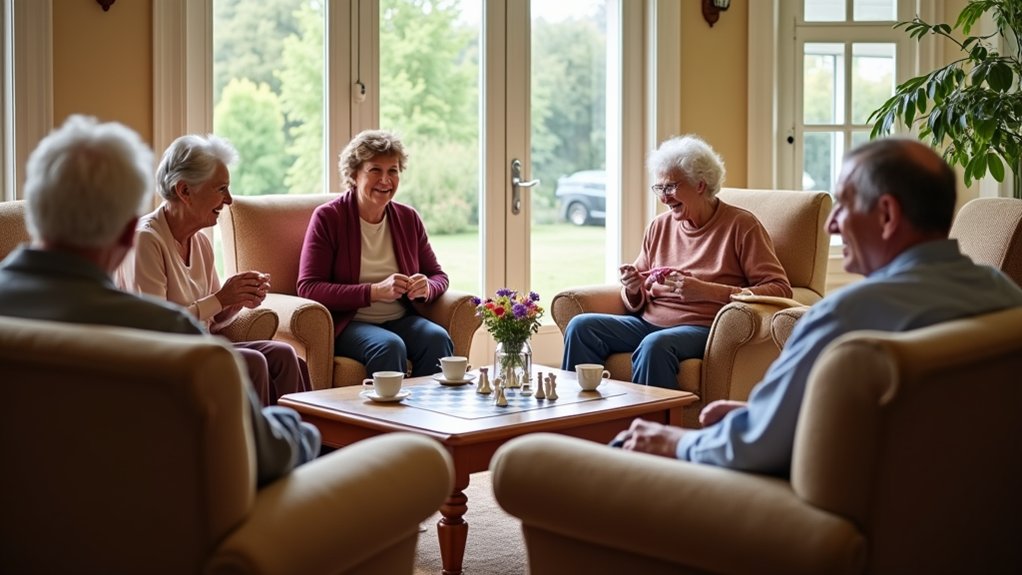
While aging can lead to increased isolation, maintaining strong social connections is essential for mental and physical wellbeing in your senior years. You’ll find numerous opportunities to stay connected, from joining local senior centers to participating in community events and volunteer programs.
Consider reaching out to family members regularly through video calls or weekly gatherings. Join interest-based groups that align with your hobbies, whether it’s a book club, gardening society, or exercise class. Don’t hesitate to initiate conversations with neighbors or reconnect with old friends. Building meaningful relationships at any age helps combat loneliness and enriches your daily life with purpose and joy.
Maintaining Physical Activity and Exercise
Along with strong social connections, regular physical activity forms a cornerstone of healthy aging. You’ll find that staying active doesn’t require intense workouts – even moderate exercise like walking, swimming, or gentle yoga can greatly improve your physical and mental well-being.
Try joining a senior fitness class at your local community center or YMCA. You’ll meet others who share your wellness goals while getting expert guidance. If you prefer exercising at home, start with simple stretching routines or follow online senior workout videos. Remember to check with your doctor before beginning any new exercise program.
Practicing Mindfulness and Meditation
When life feels overwhelming, mindfulness and meditation can provide powerful tools for managing stress and anxiety in your senior years. You’ll find peace by focusing on your breath, observing your thoughts without judgment, and staying present in the moment.
Start with just five minutes daily of sitting quietly and breathing deeply. You can join local meditation groups or use smartphone apps to guide you. As you practice regularly, you’ll notice improved sleep, reduced blood pressure, and a calmer mind.
Embracing New Hobbies and Learning
Taking up new hobbies and learning fresh skills can invigorate your mind and enrich your retirement years. You’ll discover that pursuing new interests keeps you socially connected and mentally sharp, while giving you exciting goals to work toward.
Embracing new passions in retirement awakens your mind and spirit while building meaningful connections and achievements to cherish.
- Join a local craft group or art class to explore creative outlets like painting, pottery, or woodworking
- Learn a musical instrument through online tutorials or community music programs
- Master digital technology by taking computer classes designed specifically for seniors
- Try gardening, cooking, or photography – activities that combine learning with tangible results
These engaging pursuits help you stay active, connected, and fulfilled during your golden years.
Managing Health Through Proper Nutrition
Because proper nutrition becomes increasingly essential as you age, maintaining a balanced diet should be a top priority. You’ll want to focus on nutrient-rich foods like colorful vegetables, lean proteins, and whole grains. Don’t forget to include calcium-rich foods for bone health and omega-3 fatty acids for brain function.
Many seniors find it helpful to join meal-planning groups or cooking classes designed for their age group. You can share recipes, learn new preparation techniques, and discuss dietary needs with others who understand your concerns. Consider consulting a nutritionist who specializes in senior health to create a personalized eating plan that works for you.
Developing Emotional Resilience

Although aging brings unique emotional challenges, building resilience can help you navigate life’s ups and downs with greater confidence. You’ll find that emotional strength comes from actively engaging in practices that nurture your mental well-being and connections with others.
- Join support groups where you can share experiences and learn from peers who understand your journey
- Practice mindfulness through meditation or gentle yoga to stay grounded in the present moment
- Cultivate gratitude by keeping a daily journal of positive experiences and memories
- Strengthen relationships by reaching out regularly to family and friends, even if just for brief chats
Creating Daily Routines and Structure
Building on emotional resilience, structured daily activities provide a foundation for mental and physical well-being in your senior years. You’ll find comfort and stability by establishing consistent wake-up times, meal schedules, and bedtime routines.
Start each morning with purposeful activities like light exercise, meditation, or reading. Plan your day around regular social connections, whether it’s coffee with friends or video calls with family. Include meaningful hobbies and tasks that give you a sense of accomplishment.
Remember to stay flexible with your routine – it’s meant to support you, not restrict you. When life brings changes, adjust your schedule while maintaining core activities that anchor your day.
Utilizing Support Services and Resources
Support services can make a world of difference in managing your daily life as a senior. You’ll find comfort knowing there’s a network of resources designed specifically for your needs and well-being. Connect with these essential services to enhance your quality of life and maintain independence.
- Join your local senior center for social activities, exercise classes, and educational programs
- Contact Meals on Wheels or similar meal delivery services for nutritious food options
- Access transportation assistance through community shuttle services or senior ride programs
- Explore home care services that offer help with housekeeping, personal care, and companionship