Neuroplasticity and Mental Health: How Are They Connected?
Your brain’s ability to rewire itself through neuroplasticity directly affects your mental health. When you experience trauma, stress, or practice unhealthy habits, your neural pathways can reinforce negative patterns. However, you’re not stuck with these connections. Through therapy, mindfulness, and positive lifestyle changes, you can create new neural pathways that support better emotional wellbeing. Understanding this powerful connection opens doors to transforming your mental health journey.
Understanding the Basics of Neuroplasticity
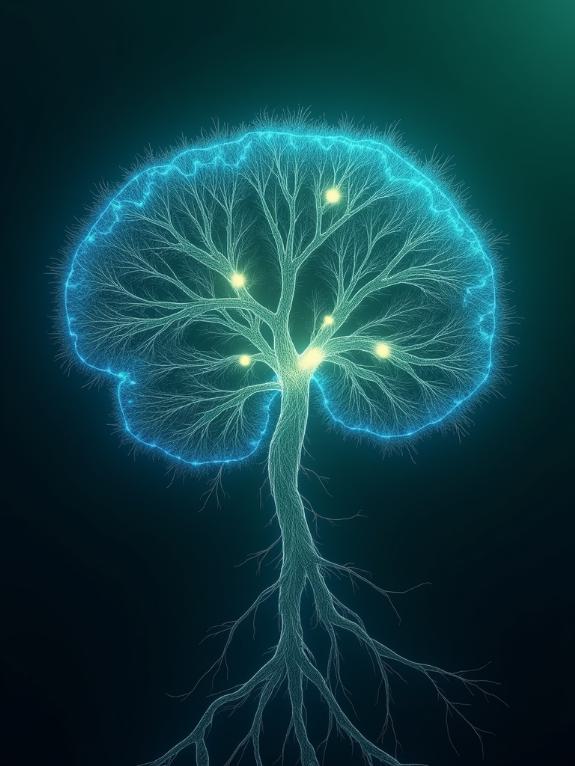
While scientists once believed the brain was fixed after childhood, we now know that our brains can change throughout our lives. Your brain’s remarkable ability to form new neural connections and reorganize existing ones is called neuroplasticity. This adaptability helps you learn, heal from injuries, and develop new skills.
You’re not stuck with the brain you were born with. Every time you learn something new or establish different habits, you’re creating fresh neural pathways. When you repeatedly practice an activity or thought pattern, these pathways strengthen, making those behaviors more automatic. It’s like carving a path through a forest – the more you walk it, the clearer it becomes.
The Science Behind Mental Health and Brain Adaptability
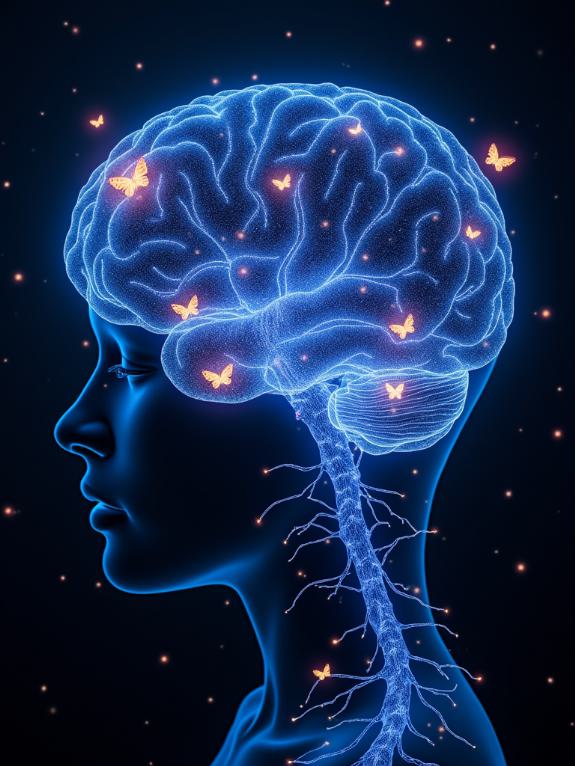
Since your brain can adapt and change, it plays a crucial role in managing mental health conditions. Your neural pathways respond to experiences, thoughts, and behaviors, creating new connections that can either strengthen positive mental states or reinforce negative patterns.
You’re not alone in your mental health journey. Your brain’s remarkable adaptability means you can develop healthier thought patterns through therapy, mindfulness, and consistent practice. When you engage in activities that promote positive change, you’re literally rewiring your brain. This neuroplasticity enables you to build resilience, overcome trauma, and create lasting improvements in your mental wellbeing.
Key Mechanisms of Neural Rewiring
The brain’s ability to rewire itself relies on several key biological mechanisms. When you learn or experience something new, your neurons form stronger connections through a process called synaptic plasticity. You’ll find that these neural pathways strengthen through repeated use, much like building muscle through exercise.
Your brain also creates new neural connections through axonal sprouting, where existing neurons grow new branches to connect with others. Through neurogenesis, you’re even capable of producing new neurons in certain brain regions. These processes work together to help you adapt, learn, and recover from mental health challenges while staying connected to your community and personal growth.
How Trauma and Stress Impact Brain Structure
Prolonged exposure to trauma and chronic stress fundamentally alters your brain’s structure and function. When you’re under constant stress, your amygdala enlarges, making you more sensitive to threat and danger. Meanwhile, your hippocampus shrinks, affecting memory formation and emotional regulation.
You’re not alone in experiencing these changes. Your brain’s prefrontal cortex, responsible for decision-making and impulse control, becomes less effective at managing your emotional responses. Stress hormones like cortisol flood your system, disrupting the neural pathways that help you cope with life’s challenges. These changes can make you feel overwhelmed, but remember – your brain can heal and adapt.
Therapeutic Approaches That Leverage Neuroplasticity
Modern therapeutic approaches harness your brain’s natural ability to rewire itself through targeted interventions and consistent practice. You’ll find that mindfulness meditation strengthens neural connections in areas controlling attention and emotional regulation. Cognitive Behavioral Therapy (CBT) helps you create new thought patterns, literally reshaping neural pathways that influence behavior and mood. Physical exercise boosts brain-derived neurotrophic factor (BDNF), promoting the growth of new neurons. Art therapy, music therapy, and movement-based interventions tap into your brain’s multimodal learning capabilities. Together, these approaches create lasting positive changes in your brain’s structure and function.
Lifestyle Factors That Enhance Brain Plasticity
Beyond structured therapeutic interventions, daily lifestyle choices powerfully influence your brain’s capacity to form new neural connections. You can boost neuroplasticity through regular exercise, which increases blood flow and promotes the growth of new brain cells. Quality sleep allows your brain to consolidate memories and repair neural pathways, while a balanced diet rich in omega-3s supports brain health. Social connections, mindfulness practices, and learning new skills also strengthen neural networks. When you combine these lifestyle factors, you’re creating an environment where your brain can adapt, grow, and maintain resilience against mental health challenges.
Breaking Negative Neural Patterns
When negative thought patterns become deeply ingrained, they create neural pathways that automatically trigger harmful responses to stress and challenges. You can rewire these patterns through consistent practice of healthier responses. Start by recognizing your triggers and pausing before reacting.
Each time you choose a different response, you’re forging new neural connections. Whether it’s replacing self-criticism with self-compassion or anxiety with mindful breathing, you’re literally reshaping your brain. Remember, you’re not alone in this journey – many others are working to break free from old patterns and create positive change through neuroplasticity.
Building Resilience Through Brain Training
Three key principles guide resilience-building through brain training: consistency, challenge, and conscious effort. You’ll need to practice these daily to rewire your neural pathways effectively.
Start with small challenges that stretch your comfort zone, like learning a new skill or facing mild stressors head-on. You’re training your brain to adapt and bounce back stronger each time. When you combine mindfulness practices with cognitive exercises, you’re fundamentally building new, healthier neural highways.