Neuroplasticity and Aging: Can We Boost Brain Health?
You can boost your brain health and maintain cognitive function as you age through neuroplasticity – your brain’s ability to form new neural connections. While aging naturally affects brain volume and processing speed, you’ll strengthen your cognitive abilities through targeted activities like learning a new language, solving puzzles, or playing an instrument. Combined with regular exercise, social interaction, and a healthy diet, you’ll create a foundation for lifelong mental well-being. Discover how specific strategies can enhance your brain’s adaptability.
Understanding Neuroplasticity in the Adult Brain
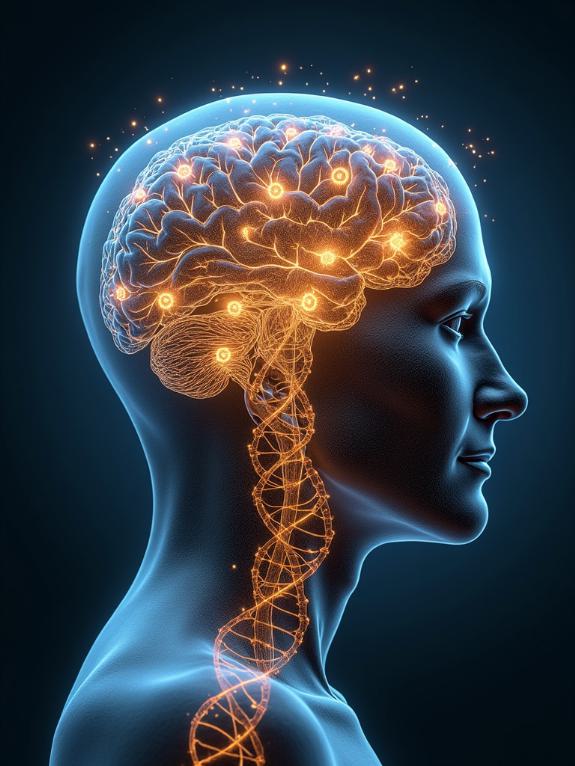
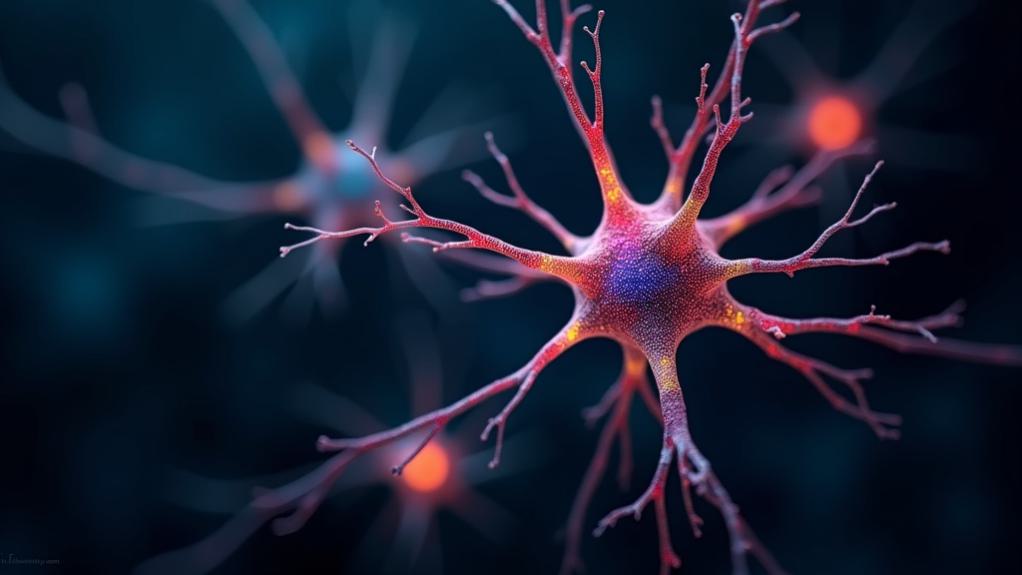
While scientists once believed the adult brain was fixed and unchangeable, research has revealed its remarkable ability to reorganize and form new neural connections throughout life. This process, called neuroplasticity, means you’re not stuck with the brain you have – you can actively shape it.
Your brain adapts through learning, physical activity, and social connections. When you master a new skill or form lasting memories, you’re creating and strengthening neural pathways. Even as you age, your brain maintains this adaptability, though the process may slow. Understanding neuroplasticity empowers you to take charge of your cognitive health.
The Science Behind Age-Related Cognitive Changes
As our brains age, key structural and functional changes occur that affect cognitive abilities like memory, attention, and processing speed. You’re not alone in experiencing these changes – they’re part of our shared journey through life.
Research shows three main factors influence cognitive aging:
Scientists have identified three key biological changes that shape how our mental abilities evolve as we grow older.
- Your brain’s volume gradually decreases, particularly in regions critical for learning and memory
- The connections between neurons become less efficient, affecting how quickly you process information
- Your brain produces fewer neurotransmitters, chemicals that help nerve cells communicate
Understanding these changes helps you take proactive steps to maintain your cognitive health and stay mentally sharp.
Key Lifestyle Factors That Promote Brain Health
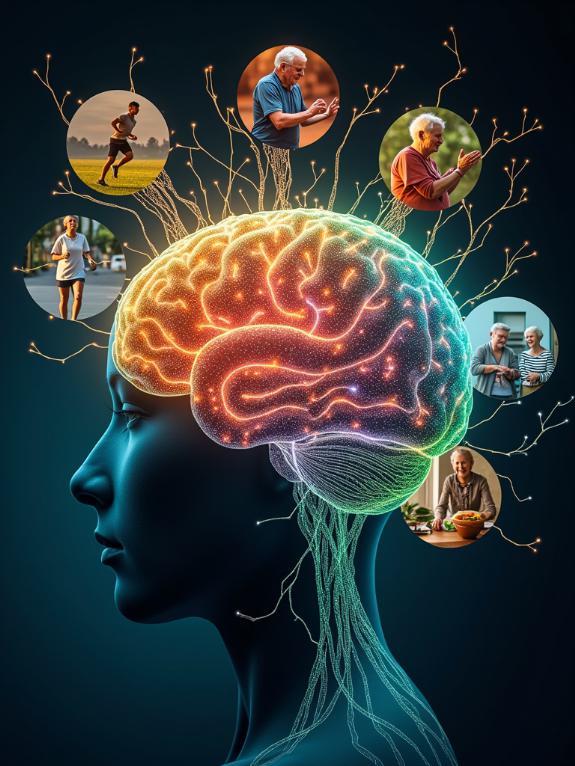
Despite the natural effects of aging on your brain, research shows you can take powerful steps to protect and enhance your cognitive function through lifestyle choices. You’ll boost your brain health by staying physically active, especially through aerobic exercise that increases blood flow to your brain. Regular social interaction, a Mediterranean-style diet rich in omega-3s, and quality sleep are essential pillars of cognitive wellness. Challenge your mind daily through learning new skills, solving puzzles, or picking up a musical instrument. When you combine these practices, you’re building a robust foundation for lifelong brain health.
Strategies for Maintaining Mental Sharpness
Building on these foundational lifestyle habits, specific mental exercises can sharpen your cognitive abilities well into your later years. You’ll join countless others who’ve discovered that staying mentally active is key to maintaining a vibrant mind.
Keeping your mind active through regular mental challenges helps preserve cognitive function and creates a foundation for lifelong mental vitality.
- Challenge yourself daily with crosswords, Sudoku, or learning a new language – activities that push your brain to form new neural connections
- Practice mindfulness meditation for 10-15 minutes daily to enhance focus and reduce cognitive decline
- Engage in social learning by joining book clubs or discussion groups where you can debate ideas and share perspectives
Research-Backed Activities to Enhance Brain Function
While countless brain-training programs claim to boost cognitive function, scientific research has identified specific activities that genuinely enhance neuroplasticity and mental performance. You’ll find the most benefit from learning a new language, which strengthens connections between brain regions and improves memory. Regular physical exercise increases blood flow to your brain and promotes the growth of new neurons. Playing a musical instrument engages multiple cognitive areas simultaneously, while mindfulness meditation reduces stress and enhances focus. Social interaction, challenging puzzles, and learning complex skills also contribute to your brain’s adaptability and resilience as you age.