Common Neurological Disorders: What You Should Know for Healthy Aging
As you age, your brain undergoes natural changes that can affect memory and cognitive function. While occasional forgetfulness is normal, persistent memory problems, confusion, or difficulty with daily tasks could signal neurological conditions like Alzheimer’s or Parkinson’s disease. You can protect your brain health through regular exercise, a Mediterranean diet, social engagement, and mental activities. Stay alert to early warning signs and work with your doctor to understand your brain’s changing needs.
Understanding the Aging Brain and Cognitive Changes
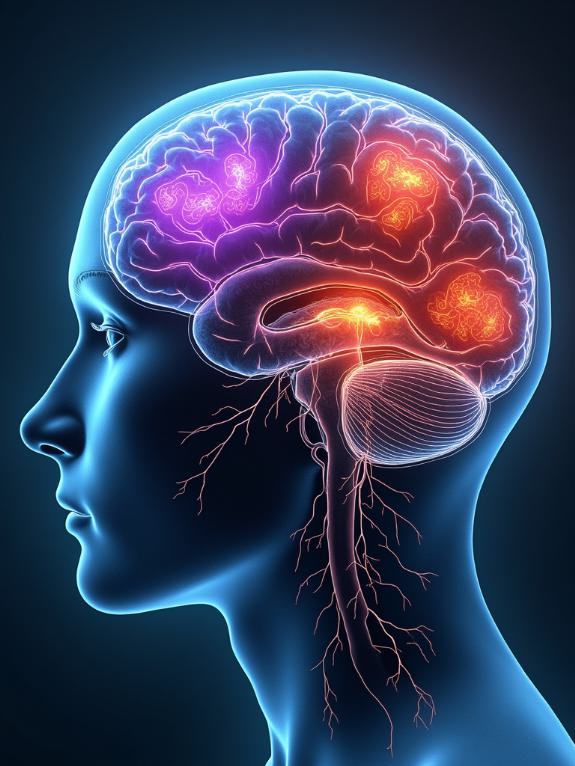
As our brains age naturally, they undergo significant structural and functional changes that affect our cognitive abilities. You’ll notice differences in how quickly you process information, recall memories, or learn new skills. These changes are a normal part of aging that we all experience.
Your brain’s gray matter gradually decreases, and neural connections may become less efficient. Don’t worry – you’re not alone in experiencing occasional forgetfulness or taking longer to solve problems. The good news is that your brain remains adaptable, and you can maintain cognitive health through regular mental exercise, social engagement, and healthy lifestyle choices.
Early Warning Signs of Neurological Conditions
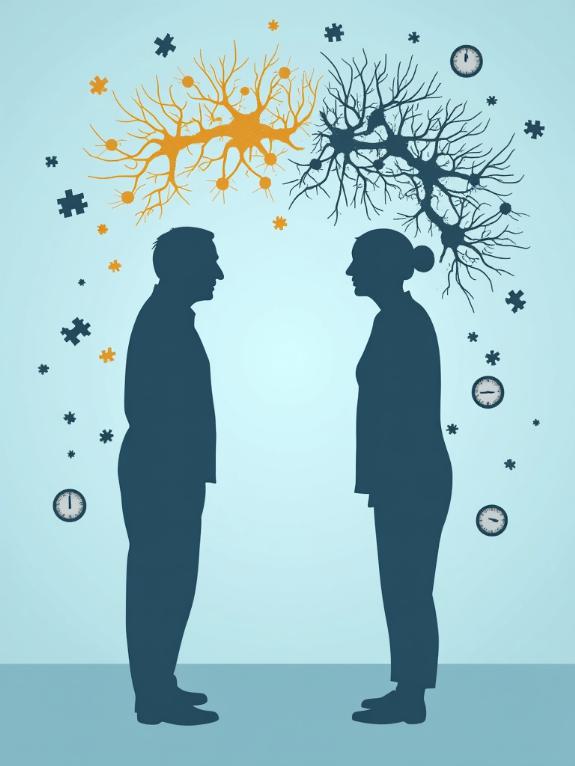
How can you distinguish between normal age-related changes and potential warning signs of neurological disorders? While occasional forgetfulness is common, you’ll want to watch for persistent symptoms that disrupt daily life. Look for changes in memory that affect routine tasks, difficulty finding words, confusion with time or place, and problems with planning or problem-solving.
Pay attention to mood swings, personality changes, or withdrawal from social activities. Changes in balance, coordination, or walking patterns can also signal neurological issues. If you or loved ones notice these symptoms, don’t hesitate to discuss them with your healthcare provider. Early detection often leads to better management options.
Most Common Age-Related Neurological Disorders
While aging naturally impacts brain function, several neurological disorders become more prevalent in later years. You’ll want to be aware of conditions like Alzheimer’s disease, which affects memory and thinking skills, and Parkinson’s disease, which impacts movement and coordination. Other common disorders include stroke, which can damage brain tissue, and peripheral neuropathy, causing numbness in your hands and feet. Multiple sclerosis, though often diagnosed earlier in life, can also progress with age. Understanding these conditions will help you recognize their signs and seek proper medical care when needed.
Risk Factors and Prevention Strategies
Many risk factors for neurological disorders can be modified through lifestyle changes, giving you more control over your brain health. You’ll reduce your risk by maintaining healthy blood pressure, managing diabetes, and keeping your cholesterol in check. Regular exercise, a Mediterranean-style diet, and quality sleep are proven protective measures.
Stay socially connected and mentally active through lifelong learning, puzzles, and hobbies. If you smoke, quit now. Limit alcohol consumption and protect your head from injuries. Remember, it’s never too early or too late to adopt these brain-healthy habits that you can share with loved ones.
Diagnosis and Assessment Methods
Early detection of neurological disorders depends on recognizing warning signs and getting proper medical evaluation. Your doctor will perform physical exams, cognitive assessments, and neurological tests to check your reflexes, coordination, and sensory responses.
You’ll likely undergo brain imaging tests like MRI or CT scans to identify structural changes or abnormalities. Blood tests can help rule out other conditions and genetic testing may reveal inherited risk factors. Your healthcare team might also use specialized tools to assess memory, problem-solving abilities, and daily function.
Treatment Options and Management Approaches
Since neurological disorders can vary considerably in their symptoms and severity, treatment plans typically involve a combination of approaches tailored to your specific condition. You’ll often work with a team of healthcare providers who’ll help manage your symptoms through medication, physical therapy, occupational therapy, and lifestyle modifications.
Your treatment might include medications to control pain, reduce inflammation, or manage specific symptoms. Many people find success combining traditional medical approaches with complementary therapies like acupuncture or meditation. You’re not alone – support groups and counseling can help you cope with emotional challenges while learning valuable management strategies from others sharing similar experiences.
Supporting Independence and Quality of Life
Living independently with a neurological disorder requires three essential elements: a supportive home environment, adaptive tools, and a strong care network. You’ll find greater autonomy and confidence when you make these adjustments in your daily routine:
- Modify your living space with safety features like grab bars, non-slip mats, and proper lighting to prevent falls and enhance mobility
- Incorporate specialized equipment such as voice-activated devices, mobility aids, or eating utensils designed for your specific needs
- Connect with support groups, schedule regular check-ins with family, and maintain consistent communication with your healthcare team
Resources and Support Systems for Patients and Caregivers
Managing a neurological disorder requires more than just personal adjustments – it demands access to extensive support networks and reliable resources. You’ll find strength in connecting with others who share similar experiences through support groups, both in-person and online. Your local hospitals, community centers, and national organizations offer valuable educational materials, counseling services, and caregiver training programs. Don’t hesitate to reach out to social workers who can guide you to financial assistance, transportation services, and respite care options. Remember, you’re not alone – there’s a community ready to support both you and your loved ones.