The Impact of Stress Hormones on Brain Health and Function
Your brain’s response to stress hormones like cortisol and adrenaline can be both helpful and harmful. While short-term stress enhances your focus and decision-making abilities, chronic exposure leads to serious cognitive issues. You’ll notice changes in memory, mood, and mental clarity when stress persists. The good news? You can protect your brain through proven techniques that regulate these powerful chemical messengers.
Understanding the Stress Response System
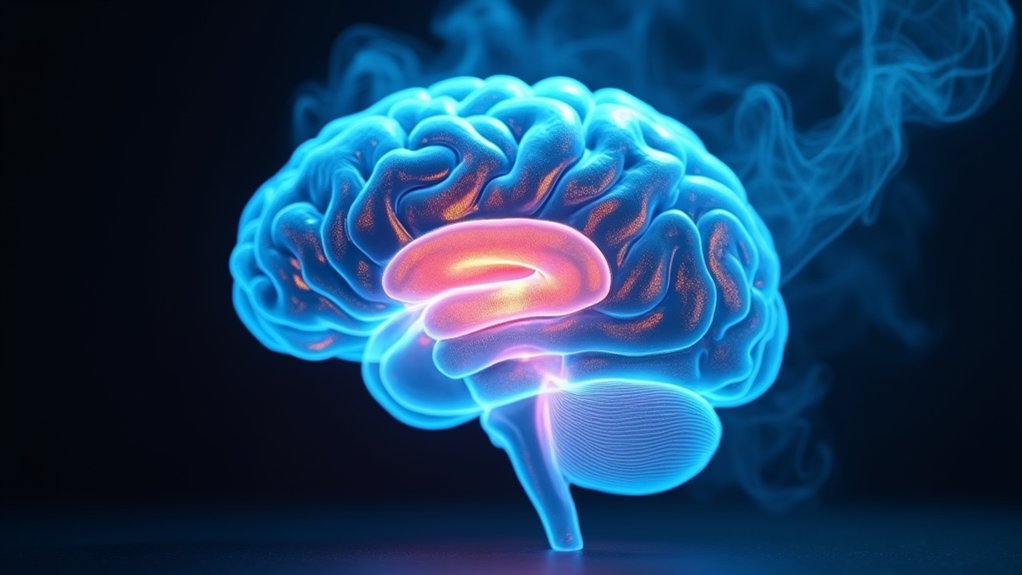
When your body encounters a stressful situation, it activates a complex cascade of biological responses known as the stress response system. Your hypothalamus sends signals to your adrenal glands, triggering the release of stress hormones like cortisol and adrenaline. These hormones prepare you for “fight or flight” by increasing your heart rate, sharpening your focus, and directing energy to your muscles.
You’re not alone in experiencing this – it’s your body’s natural way of protecting you. While this system helped our ancestors survive immediate threats, today’s chronic stress can keep your body in a prolonged state of high alert.
Key Hormones and Their Biological Functions
Three primary stress hormones orchestrate your body’s response to challenging situations: cortisol, adrenaline, and norepinephrine. When you’re stressed, cortisol increases blood sugar, suppresses your immune system, and aids in metabolism. It’s often called the “stress hormone” because it’s vital for your fight-or-flight response.
Adrenaline and norepinephrine work together to elevate your heart rate, increase blood flow to muscles, and sharpen your focus. You’ll notice faster breathing, heightened alertness, and extra energy. These hormones help you respond quickly to perceived threats, but chronic elevation can impact your brain’s structure and function.
Short-Term Benefits vs. Long-Term Consequences
While stress hormones provide essential survival benefits in the short term, their persistent elevation can damage your brain over time. Your body’s natural stress response helps you face immediate challenges and threats, but chronic stress can disrupt your brain’s delicate balance.
Consider these critical differences between acute and chronic stress effects:
- Short-term: Enhanced focus, quick decision-making, and increased energy
- Mid-term: Sleep disruption, mood changes, and memory issues
- Long-term: Shrinkage in brain regions controlling memory and emotions, increased risk of anxiety and depression, and accelerated cognitive aging
Understanding this balance helps you protect your brain health and manage stress effectively.
Impact on Memory and Cognitive Performance
Though stress hormones initially sharpen your focus, prolonged exposure greatly impairs memory formation and cognitive function. Your brain’s hippocampus, vital for memory processing, can actually shrink under sustained stress hormone elevation. You’ll notice difficulty remembering important details and trouble learning new information.
When you’re chronically stressed, your cognitive abilities take a hit. You might struggle with decision-making, problem-solving, and maintaining attention. These changes affect your daily life, from work performance to personal relationships. The good news? You can protect your brain health by managing stress through proven techniques like meditation, exercise, and maintaining social connections.
Neuroplasticity and Brain Structure Changes
When stress hormones flood your brain, they can trigger lasting structural changes through neuroplasticity – your brain’s ability to rewire itself. Like many of us experiencing chronic stress, you’ll notice these alterations affecting your neural pathways and overall brain architecture.
Research shows stress hormones can lead to:
- Shrinkage in your hippocampus, the memory center that helps regulate emotions
- Enlargement of your amygdala, making you more sensitive to future stress
- Thinning of your prefrontal cortex, reducing your ability to make decisions and regulate behavior
These changes aren’t permanent if you take action to manage your stress effectively.
Prevention and Management Strategies
Since stress hormones can markedly reshape your brain, implementing effective prevention and management strategies is essential for protecting your mental health. You’ll benefit from developing a daily routine that includes mindfulness meditation, regular exercise, and quality sleep. Connect with others who share your wellness goals and practice stress-reducing activities together. You can also try deep breathing exercises, progressive muscle relaxation, or yoga to activate your body’s relaxation response. Remember, you’re not alone – seeking professional help when you’re overwhelmed isn’t just acceptable, it’s a smart way to safeguard your brain health.