
How Does Stress Affect Cognitive Function as We Age?
As you age, your brain becomes more sensitive to stress hormones like cortisol, which can impair your memory formation and learning abilities. You’ll notice that stress affects your focus, decision-making, and mental processing speed more intensely than when you were younger. Your heart rate and blood pressure also take longer to normalize after stressful events. Fortunately, specific lifestyle changes and stress management techniques can help protect your cognitive function and mental sharpness.
The Science Behind Stress and Brain Function

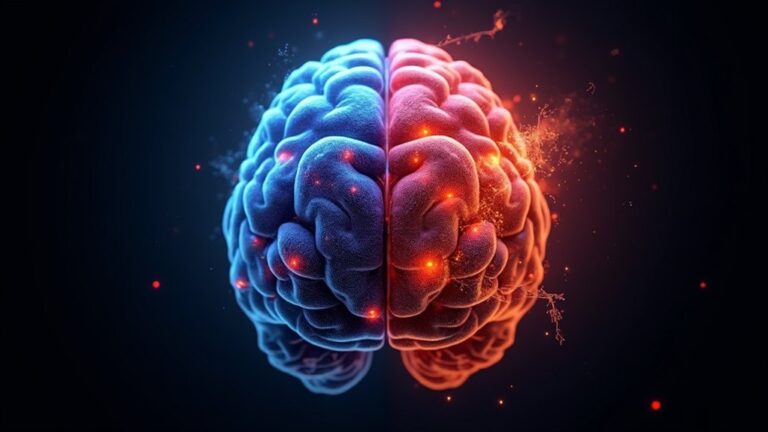
While most people recognize that stress affects their daily performance, few understand the complex biological mechanisms at work in their brains. When you’re stressed, your body releases cortisol, which can impair your memory and learning abilities. This stress hormone floods your hippocampus, the brain region responsible for memory formation.
You’re not alone in experiencing these effects. Your brain’s prefrontal cortex, which handles planning and decision-making, becomes less efficient under stress. Think of it as your brain’s command center getting overwhelmed by too many emergency signals, making it harder to focus and process information effectively.
Age-Related Changes in Stress Response
These stress responses become more complex as you age, with your body’s natural protection against stress hormones gradually declining over time. You’ll notice that your heart rate might stay elevated longer after stressful events, and your blood pressure may take more time to normalize.
Your aging brain also becomes more sensitive to cortisol’s effects, potentially impacting your memory and learning abilities. While you’re not alone in experiencing these changes, you can adapt by learning stress management techniques that work specifically for your age group, like gentle exercise, mindfulness, and maintaining strong social connections.
Cognitive Areas Most Vulnerable to Stress
When chronic stress takes hold, certain cognitive functions become particularly susceptible to decline. You’ll notice your memory isn’t as sharp, especially when trying to recall recent events or juggle multiple tasks. Your attention span and ability to concentrate will often suffer, making it harder to focus during conversations or complete complex tasks.
Your decision-making abilities and mental flexibility can deteriorate too, leaving you struggling to adapt to new situations or solve problems effectively. If you’re experiencing ongoing stress, you might find your processing speed slowing down and your verbal fluency becoming less reliable during social interactions.
Protective Measures Against Stress-Related Decline
As your brain faces the ongoing challenges of stress and aging, you can take several practical steps to shield your cognitive function from decline. Regular exercise, mindfulness meditation, and quality sleep strengthen your brain’s resilience against stress. You’ll benefit from maintaining strong social connections and engaging in mentally stimulating activities like learning new skills or playing strategy games. A balanced diet rich in antioxidants and omega-3 fatty acids supports your brain health. When you’re feeling overwhelmed, try stress management techniques such as deep breathing, progressive muscle relaxation, or joining a support group of like-minded individuals.
Strategies for Maintaining Mental Sharpness
Maintaining mental sharpness requires a multi-faceted approach that goes beyond basic health practices. You’ll need to engage in regular mental exercises like puzzles, learning new skills, or mastering a foreign language. When you combine these activities with social connections, you’re strengthening neural pathways that protect your cognitive function.
Don’t forget that physical exercise boosts your brain health too. You can join a walking group or exercise class to blend social interaction with movement. Remember to fuel your mind with a balanced diet rich in omega-3s, antioxidants, and whole grains. Together, we can build habits that support lasting cognitive importance.