
Enhancing Communication Skills for Healthier Aging
You can maintain strong communication skills as you age by adapting to natural changes in hearing, speech, and cognition. Stay mentally active through puzzles and learning new skills to support brain health. Practice active listening, choose quiet settings for conversations, and utilize technology like video chat platforms to stay connected. Regular hearing and vision checks help too. Discover how these practical strategies can enhance your social connections and overall well-being.
Common Age-Related Communication Challenges
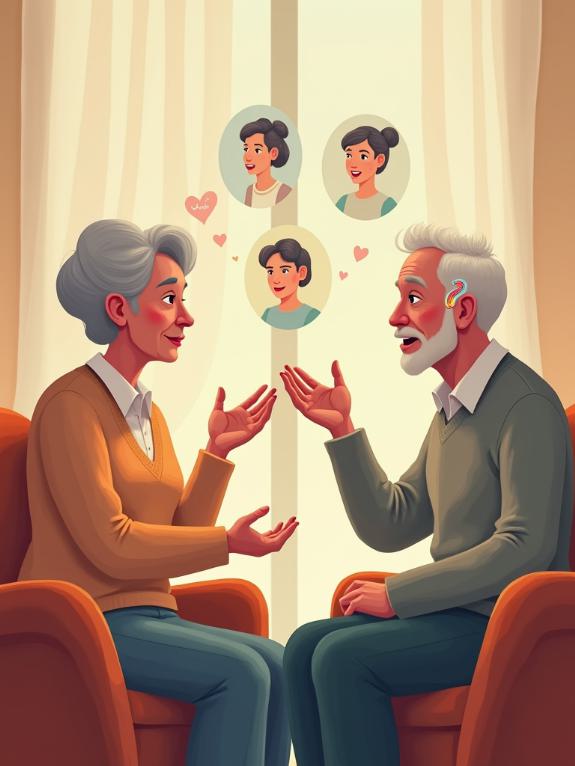
As people age, they often face several communication challenges that can affect their daily interactions and relationships. You might notice changes in hearing ability, making it harder to follow conversations in noisy environments or understand higher-pitched voices. Your speech may become slower or less clear, and finding the right words can take longer than before.
Vision changes can impact your ability to read facial expressions and body language. Memory issues might make it challenging to keep track of conversations or remember recent discussions. These natural changes can feel frustrating, but understanding them helps you adapt and maintain meaningful connections with others.
The Brain-Communication Connection in Later Life
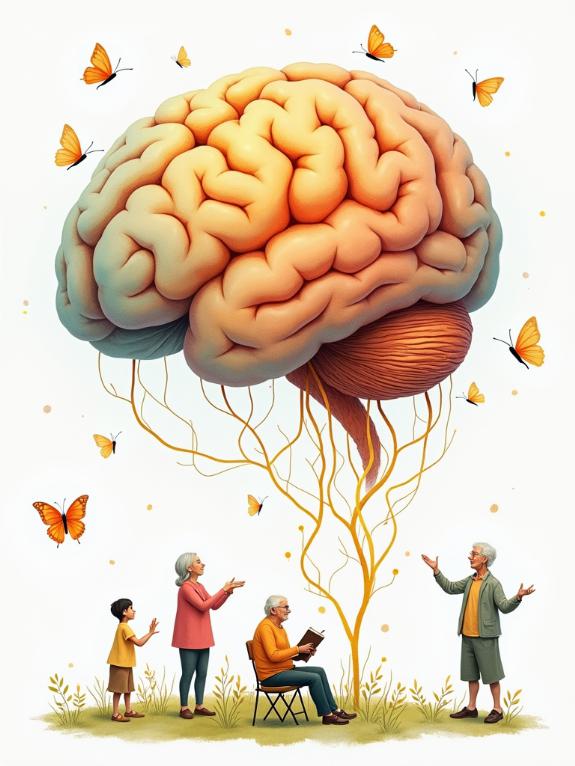
While your brain naturally changes with age, its remarkable adaptability continues to support communication throughout your life. You’ll notice your brain processes information differently, but it’s still capable of forming new neural pathways and maintaining strong social connections.
Your cognitive reserve – built through education, social engagement, and mental stimulation – helps protect your communication abilities. When you stay mentally active through reading, conversation, and learning new skills, you’re strengthening the networks that support language and social interaction. Regular brain exercise, like solving puzzles or learning a new language, can help preserve your communication skills.
Building Stronger Social Connections Through Better Communication

Strong communication skills directly enhance your ability to form and maintain meaningful relationships in your later years. When you share stories, actively listen, and express genuine interest in others, you’ll create deeper connections that support your emotional wellbeing.
You’ll find it easier to build trust when you practice empathy, maintain eye contact, and use clear, respectful language. Don’t hesitate to ask questions or share your own experiences. Remember that non-verbal cues like facial expressions and body language are just as important as words. By staying engaged in conversations, you’ll nurture friendships that enrich your life.
Technology Tools and Resources for Enhanced Communication
Modern technology offers numerous ways to stay connected with family and friends, regardless of physical distance. You’ll find user-friendly video chat platforms like FaceTime and Zoom that make face-to-face conversations possible anytime. Social media apps help you share daily moments and stay updated with loved ones’ lives.
Smart devices with voice commands can simplify making calls or sending messages when mobility is limited. Online communities and forums connect you with others who share your interests and experiences. Learning to use these tools might take time, but they’re valuable resources for maintaining meaningful relationships as you age.
Practical Strategies for Daily Communication Success
Beyond digital connections, everyday communication requires practical habits and techniques to maintain clear, meaningful interactions. Make eye contact and actively listen when others speak, showing you’re fully present. Choose quiet settings for important conversations and eliminate distractions like TV noise. Take notes during medical appointments and bring a trusted friend when needed. Practice expressing your needs clearly and don’t hesitate to ask others to repeat information. Remember to check your hearing aids and glasses regularly, as they’re essential tools for effective communication. Stay patient with yourself and others during challenging exchanges.