Master Stress Management: Senior Life Coaching Techniques
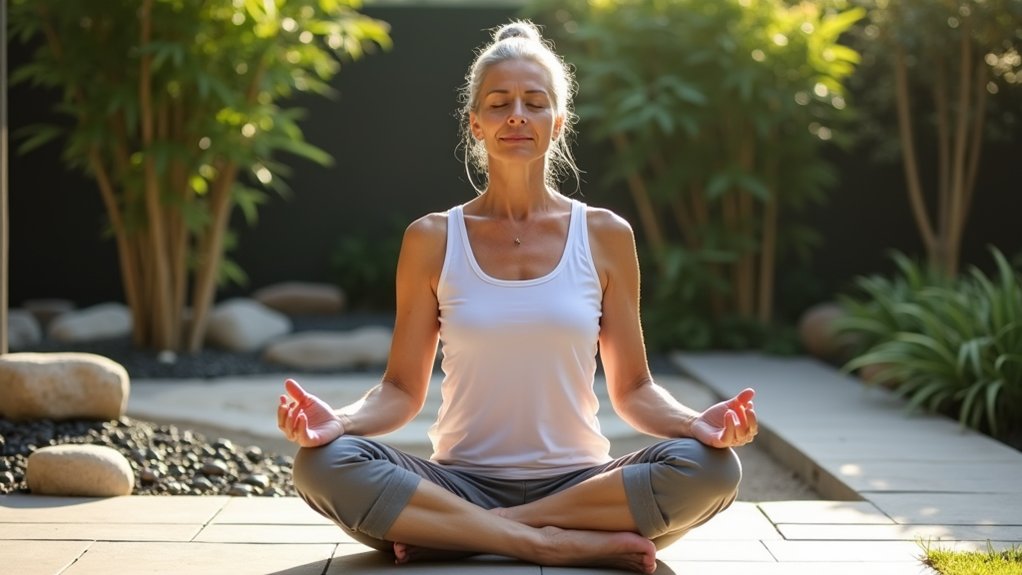
I’ve discovered that mastering stress management in your senior years requires a holistic approach combining mindfulness, social connections, and physical wellness. You’ll benefit from identifying personal triggers through stress diaries, practicing short meditation sessions, and maintaining strong relationships with family and friends. I recommend starting with five minutes of morning meditation and gentle exercise while setting healthy boundaries. Let’s explore proven techniques to help you thrive in this meaningful chapter of life.
Identifying Personal Stress Triggers in Later Life
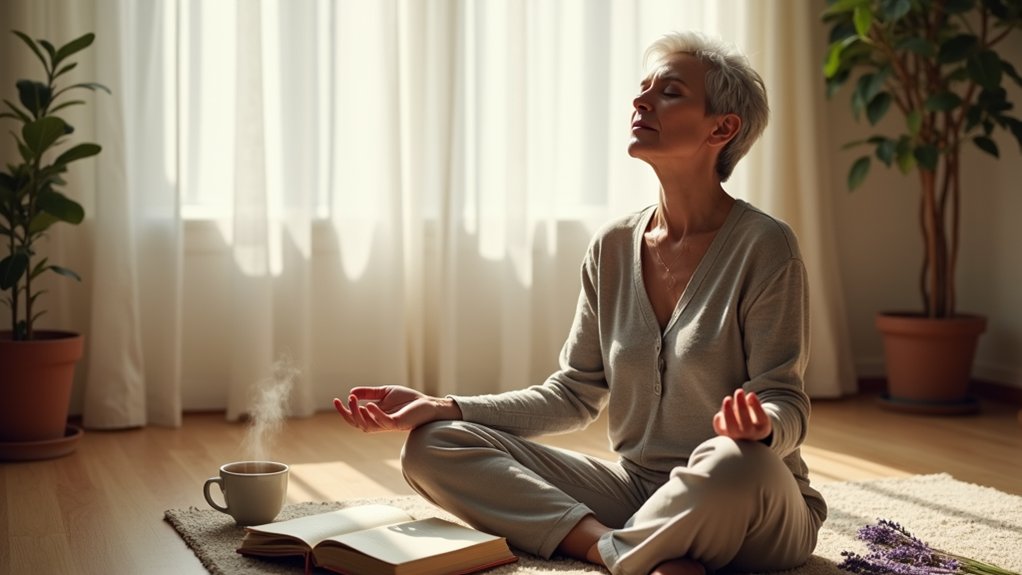
Why do stress triggers seem to multiply as we age? I’ve found that life’s changes bring new challenges that can catch us off guard. From health concerns to family dynamics, retirement adjustments to financial pressures – each phase presents unique stressors.
I want you to know you’re not alone in feeling overwhelmed. Start by keeping a simple stress diary. Note what situations, people, or thoughts spark your anxiety. Is it doctor visits? Family conflicts? Money worries? By tracking your triggers, you’ll spot patterns and take control. This awareness becomes your first step toward effective stress management.
Mindfulness and Meditation Practices for Seniors
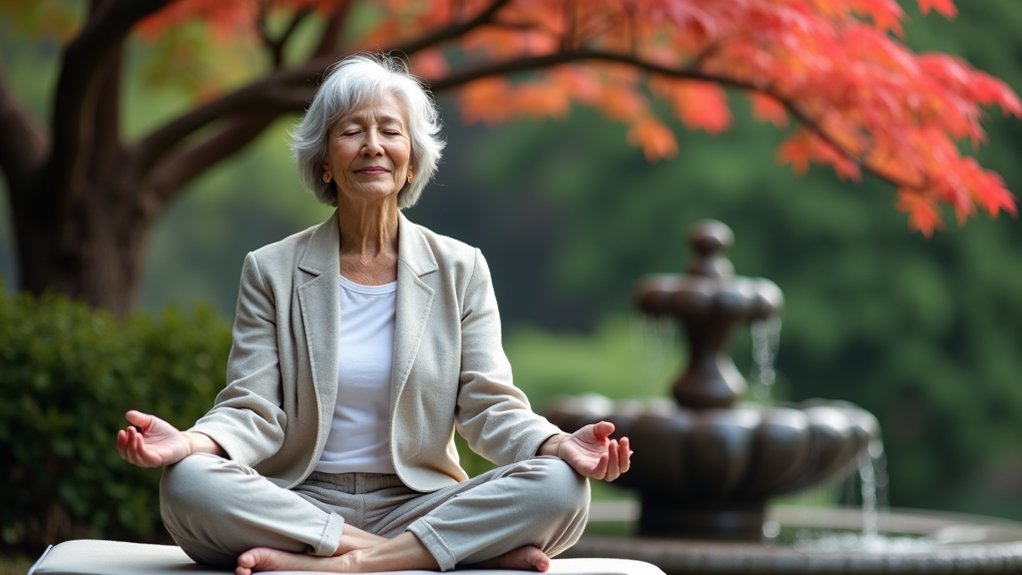
While aging brings unique challenges, practicing mindfulness and meditation can provide powerful tools for managing stress in your senior years. I’ll show you simple techniques that you can easily incorporate into your daily routine. Start with five minutes of focused breathing each morning, gradually increasing the duration as you feel comfortable.
You’ll find that gentle meditation practices like body scanning, walking meditation, and loving-kindness exercises are particularly effective for seniors. These methods help reduce anxiety, improve sleep, and enhance your overall well-being. Join our growing community of mindful seniors who’ve discovered inner peace through these time-tested practices.
Building Resilience Through Social Connections
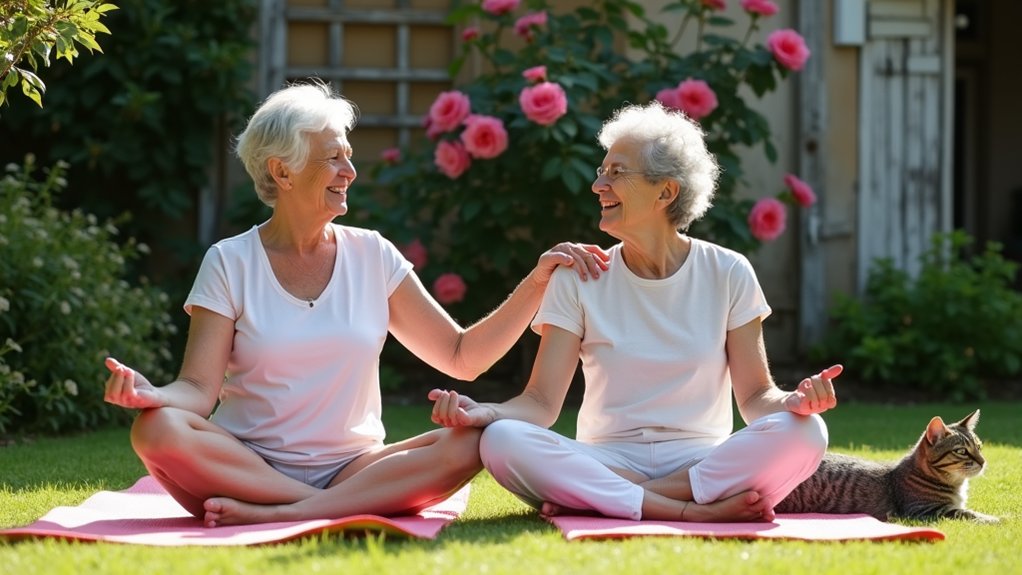
When stress overwhelms you, maintaining strong social connections can be your lifeline to emotional stability and mental wellbeing. I encourage you to reach out to trusted friends, join community groups, or participate in local senior activities. These connections provide essential emotional support and opportunities to share experiences.
Don’t hesitate to schedule regular coffee dates, join book clubs, or attend religious gatherings. Remember, meaningful relationships help buffer against stress and boost your resilience. I’ve found that even simple interactions, like chatting with neighbors or volunteering, can greatly improve your ability to cope with life’s challenges.
Physical Wellness Strategies for Stress Relief
Taking care of your physical health plays an essential role in managing stress effectively. I’ve found that when we prioritize our physical wellness, we’re better equipped to handle life’s challenges. Let me share some proven strategies that’ll help you maintain your well-being and reduce stress levels.
- Start your day with 30 minutes of gentle exercise like walking, swimming, or yoga to release endorphins and clear your mind
- Practice deep breathing exercises or meditation during breaks to instantly calm your nervous system
- Maintain consistent sleep patterns by going to bed and waking up at the same time each day
Creating Healthy Boundaries With Family and Caregivers
Physical wellness forms just one part of stress management – equally important is how we interact with those closest to us. Setting clear boundaries with family and caregivers helps maintain your independence while nurturing these essential relationships.
Start by expressing your needs directly but kindly. Let loved ones know when you need space or when their help would be welcome. It’s okay to say “no” to requests that drain your energy. Schedule regular check-ins to discuss concerns before they become issues.
Daily Routines and Habits for Mental Peace
Although life often feels chaotic, establishing consistent daily routines can create islands of calm in our busy lives. I’ve found that intentional daily habits bring a sense of stability and mental peace, especially during stressful times.
In a world of constant motion, our daily routines become sacred spaces of stillness and serenity.
Let me share three powerful routines that’ll help you find more tranquility each day:
- Start your morning with 10 minutes of mindful breathing or meditation to center yourself
- Take an afternoon break to connect with nature through a short walk or garden visit
- End your evening by writing down three things you’re grateful for today
These simple practices will anchor your day in peace.