
Neuroplasticity Exercises for Adults: Boost Your Brain Health!
You can strengthen your brain’s ability to form new neural pathways through daily neuroplasticity exercises. Try learning a new language, solving puzzles, or playing strategic games to enhance cognitive function. Physical activities like dance and tennis boost both body and mind, while meditation builds focus and emotional resilience. Combine these with quality sleep, proper nutrition, and social connections. Discover how these science-backed strategies can transform your mental fitness.
Understanding Neuroplasticity: The Science Behind Brain Adaptability
While scientists once believed the adult brain was fixed and unchangeable, research has proven that our brains can form new neural pathways throughout our lives. This remarkable ability, called neuroplasticity, means you’re never too old to learn, grow, and adapt.
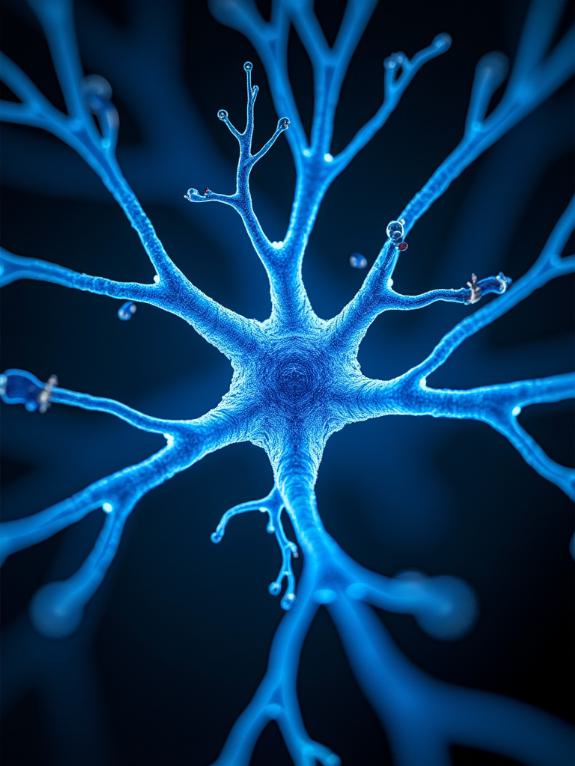
When you engage in new activities or learn fresh skills, your brain creates and strengthens connections between neurons. Think of it like building new roads in a city – the more you travel these paths, the stronger they become. You’re literally reshaping your brain’s structure through your daily experiences, thoughts, and actions.
Essential Mental Exercises to Rewire Your Brain

Now that you understand how neuroplasticity works, let’s explore specific exercises that can strengthen your brain’s neural pathways. Start by learning a new language, which engages multiple brain regions simultaneously. Challenge yourself with crossword puzzles and strategic games like chess to enhance problem-solving abilities.
Practice mindfulness meditation to improve focus and emotional regulation. Try using your non-dominant hand for simple tasks, forcing your brain to create new connections. Memory exercises, like recalling details from your day or memorizing lists, strengthen cognitive function.
Join a group class to learn a musical instrument or take up dancing – these activities combine physical coordination with mental engagement.
Physical Activities That Enhance Neural Connections
Beyond mental exercises, physical activities play an essential role in strengthening neural connections. When you engage in regular movement, you’re not just building muscle – you’re forging new pathways in your brain that enhance learning, memory, and cognitive function.
- Dance classes create social bonds while challenging your brain to learn complex sequences, improving coordination and spatial awareness
- Tennis or pickleball combines strategic thinking with physical movement, boosting reaction time and decision-making skills
- Yoga synchronizes breath with movement, reducing stress and increasing mind-body connection
- Group hiking adventures stimulate your senses while traversing terrain and socializing with others
Lifestyle Habits for Optimal Brain Plasticity
Maximizing your brain’s plasticity requires more than just targeted exercises and physical activities – it demands consistent daily habits that support neurological health. You’ll want to prioritize 7-9 hours of quality sleep, which allows your brain to consolidate memories and repair neural pathways. Maintain a diet rich in omega-3s, antioxidants, and whole foods to provide essential nutrients for brain health. Manage your stress through meditation or mindfulness practices, as chronic stress can inhibit neuroplasticity. Stay socially connected and mentally engaged with others, as meaningful relationships stimulate cognitive growth and emotional well-being.
Mindfulness and Meditation Techniques for Neural Growth
While physical exercise strengthens your body, mindfulness and meditation exercises can considerably boost your brain’s capacity for neural growth. Like many others seeking to enhance their cognitive abilities, you’ll discover that these practices create lasting positive changes in your brain structure.
- Practice focused breathing meditation for 10 minutes daily to strengthen your prefrontal cortex, joining thousands who’ve improved their decision-making abilities
- Try loving-kindness meditation to build emotional resilience and connect with your inner wisdom
- Use body scan techniques to reduce stress and enhance neural connections
- Join guided visualization sessions to activate memory-related brain regions
Tracking Your Progress: Measuring Cognitive Improvements
How do you know if your brain-training efforts are actually working? Start by establishing your baseline through standardized cognitive assessments that measure memory, attention, and processing speed. Keep a daily journal tracking your mental clarity, energy levels, and task completion rates.
You’ll notice improvements when you’re remembering names more easily, solving problems faster, and maintaining focus for longer periods. Download brain-training apps that provide detailed performance metrics and progress charts. Connect with others on similar journeys through online forums or local brain-health groups to share experiences and benchmark your progress.