
Unlocking Neuroplasticity: What Are Its Key Benefits?
Your brain’s incredible plasticity lets you rewire neural pathways throughout life, enabling continuous growth and adaptation. Through neuroplasticity, you’ll enhance learning abilities, master new skills faster, and recover better from injuries. You can strengthen emotional intelligence, reduce anxiety, and maintain cognitive function as you age. By incorporating specific daily habits like exercise, mindfulness, and novel experiences, you’ll access your brain’s full potential for positive change.
The Science Behind Neural Rewiring
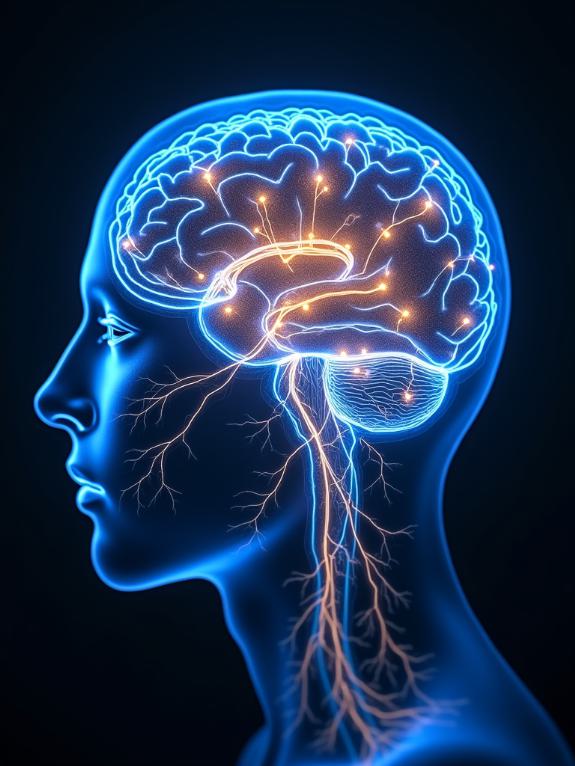
While the human brain was once thought to be fixed after childhood, scientists now know it continuously adapts and rewires itself throughout life. This remarkable ability, called neuroplasticity, means you’re not stuck with the brain you were born with.
When you learn something new, your neurons form fresh connections. Think of it like creating a path through tall grass – the more you walk it, the clearer the trail becomes. Your brain strengthens frequently used neural pathways while pruning away unused ones. You’re literally reshaping your brain‘s physical structure through your daily thoughts, experiences, and behaviors.
Enhanced Learning and Skill Acquisition
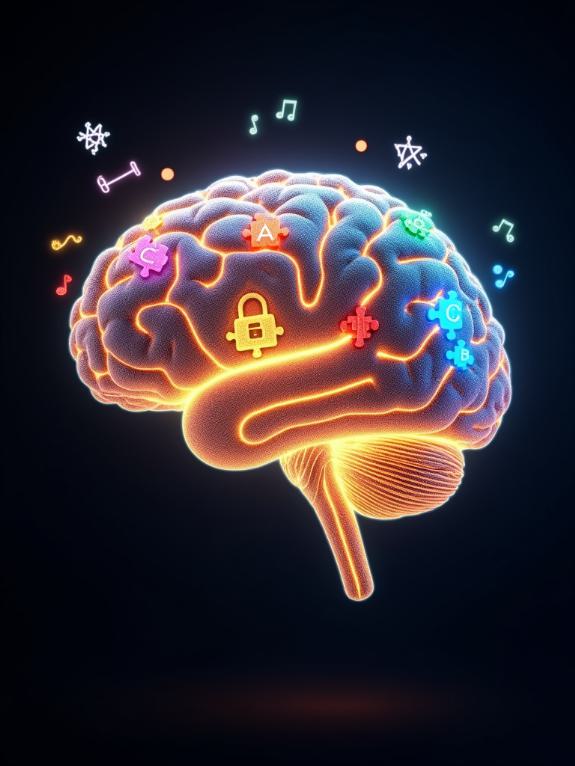
Because neuroplasticity allows your brain to form new neural pathways, you can learn and master skills more effectively at any age. Whether you’re picking up a musical instrument, learning a new language, or developing athletic abilities, your brain adapts by strengthening connections between neurons.
You’ll find that consistent practice creates more efficient neural circuits, making skill execution smoother and more automatic. When you engage in deliberate practice, you’re actually rewiring your brain to better perform these tasks. The more you challenge yourself with new learning experiences, the more adaptable your brain becomes, enhancing your ability to acquire and retain skills.
Recovery and Rehabilitation Benefits
Through neuroplasticity’s remarkable healing capabilities, your brain can adapt and compensate after injuries or trauma. You’ll discover that even after strokes, brain injuries, or nerve damage, your brain forms new neural connections to restore lost functions. When one area is damaged, other regions can take over those responsibilities, helping you regain movement, speech, or cognitive abilities.
You’re not alone in this journey – many people have experienced significant recovery through neuroplasticity-based rehabilitation. Whether you’re recovering from a concussion, managing chronic pain, or overcoming neurological conditions, your brain’s ability to rewire itself offers hope and proven paths to healing.
Emotional Intelligence and Mental Health
As your brain’s neuroplasticity enhances emotional processing, you’ll develop stronger emotional intelligence and better mental health outcomes. You’ll find yourself more attuned to others’ emotions, making deeper connections in relationships and social situations. This heightened awareness helps you manage stress, anxiety, and emotional challenges more effectively.
Your brain’s adaptability allows you to rewire negative thought patterns and develop healthier coping mechanisms. Through practices like mindfulness and emotional regulation exercises, you’re building resilience and improving your overall psychological well-being. You’ll notice enhanced self-awareness, better emotional control, and a greater capacity for empathy in your daily interactions.
Age-Related Cognitive Maintenance
While aging naturally affects cognitive function, neuroplasticity helps maintain your brain’s vigor well into your later years. You can harness your brain’s adaptability to preserve memory, reasoning, and mental agility. By engaging in targeted activities, you’ll strengthen neural connections and potentially delay age-related decline.
Keep your brain sharp and adaptable through dedicated mental exercise – it’s never too late to build cognitive resilience.
- Picture yourself completing crossword puzzles with increasing speed and accuracy
- Imagine mastering a new language and chatting confidently with native speakers
- Visualize your fingers dancing across piano keys as you learn complex melodies
- See yourself traversing challenging hiking trails while maintaining perfect balance
- Envision teaching others the skills you’ve maintained through brain-training exercises
Daily Habits That Boost Brain Plasticity
Building on the brain’s remarkable adaptability, you can establish powerful daily routines that enhance neuroplasticity. Start by engaging in daily physical exercise, which increases blood flow and stimulates neuron growth. Challenge yourself with new learning experiences, whether it’s picking up a musical instrument or mastering a foreign language. Prioritize quality sleep to support neural repair and consolidate memories. Practice mindfulness meditation to strengthen neural connections and reduce stress. Connect with others through meaningful conversations and social activities. These habits work together to keep your brain flexible, resilient, and continuously evolving.
Physical Exercise and Neural Adaptation
Since physical exercise directly impacts brain function, it stands as one of the most powerful drivers of neural adaptation. When you exercise regularly, you’ll boost your brain’s ability to rewire and strengthen neural connections, leading to enhanced cognitive performance and emotional well-being.
Physical movement is your brain’s secret superpower, transforming neural pathways and boosting mental clarity with every step you take.
- Your heart pumps more oxygen-rich blood to your brain during a brisk walk
- Your neurons fire rapidly as you coordinate movements in a dance class
- Your hippocampus grows stronger while you swim laps in the pool
- Your brain releases mood-lifting endorphins during your morning run
- Your neural pathways multiply as you master new workout routines
Mindfulness Practices for Brain Flexibility
As modern research confirms, mindfulness practices reshape your brain’s structure and enhance its flexibility. When you meditate regularly, you’re strengthening neural pathways that support attention, emotional regulation, and self-awareness.
You’ll discover that mindfulness techniques, like focused breathing and body scanning, activate regions in your prefrontal cortex responsible for decision-making and impulse control. These practices also reduce activity in your amygdala, helping you manage stress more effectively.
Join the growing community of mindfulness practitioners who’re experiencing improved memory, decreased anxiety, and better cognitive performance through these brain-enhancing techniques. You’re literally rewiring your brain for greater resilience and mental clarity.