Techniques for Building Emotional Resilience in Aging Adults
You can build emotional resilience as you age by implementing key strategies into your daily life. Start by nurturing strong social connections with family and friends, practicing mindfulness exercises, and staying physically active through enjoyable movement. Embrace life’s changes with flexibility while maintaining meaningful activities that give you purpose. By developing positive coping skills and healthy habits, you’ll discover powerful ways to strengthen your emotional well-being.
Building a Strong Support Network
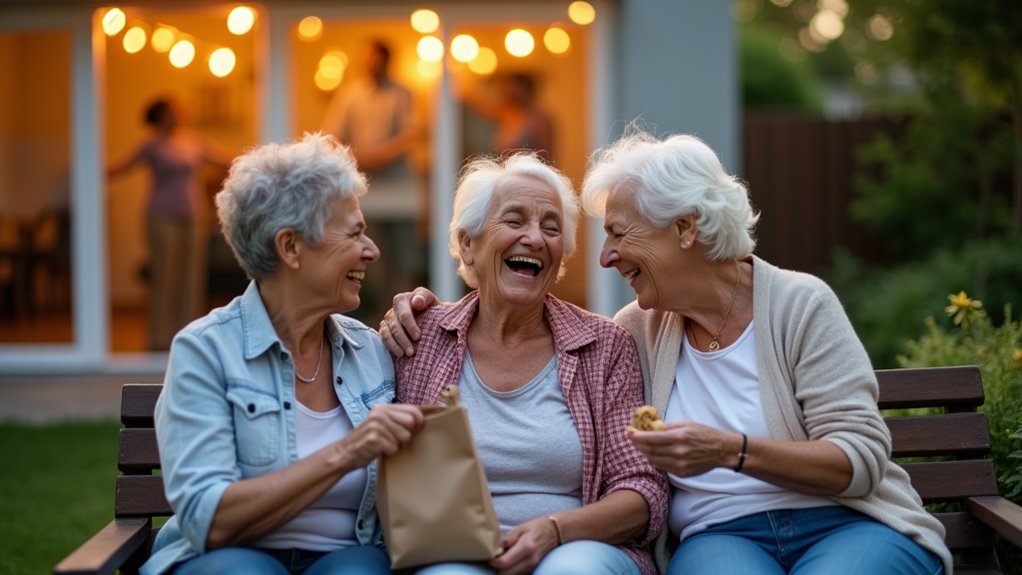
As we age, maintaining strong social connections becomes increasingly essential for emotional well-being. You’ll find strength in building relationships with family, friends, and community members who understand your journey. Join local senior centers, religious groups, or hobby clubs to meet like-minded individuals who share your interests.
Don’t hesitate to reach out regularly to loved ones through phone calls, video chats, or in-person visits. Consider volunteering or mentoring others to create meaningful connections while giving back. Remember that quality matters more than quantity – focus on nurturing relationships that bring you joy, support, and understanding.
Practicing Mindfulness and Stress Management
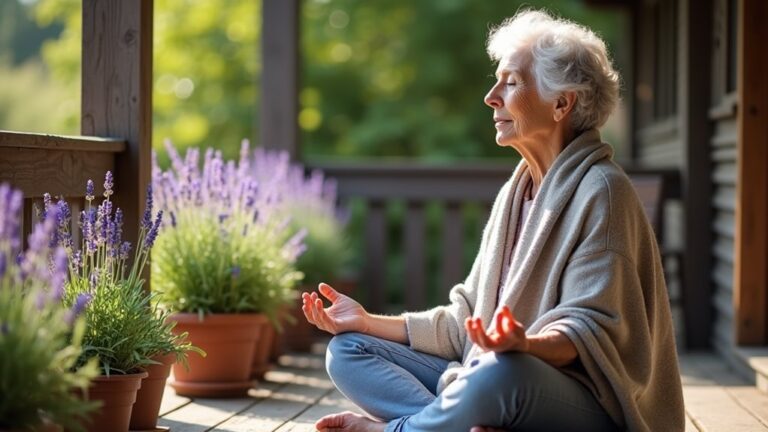
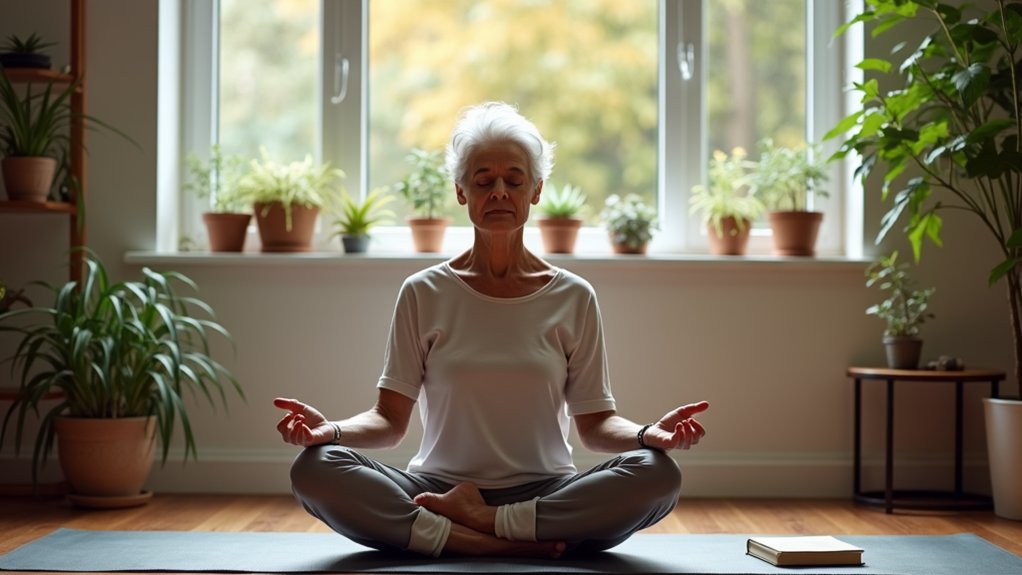
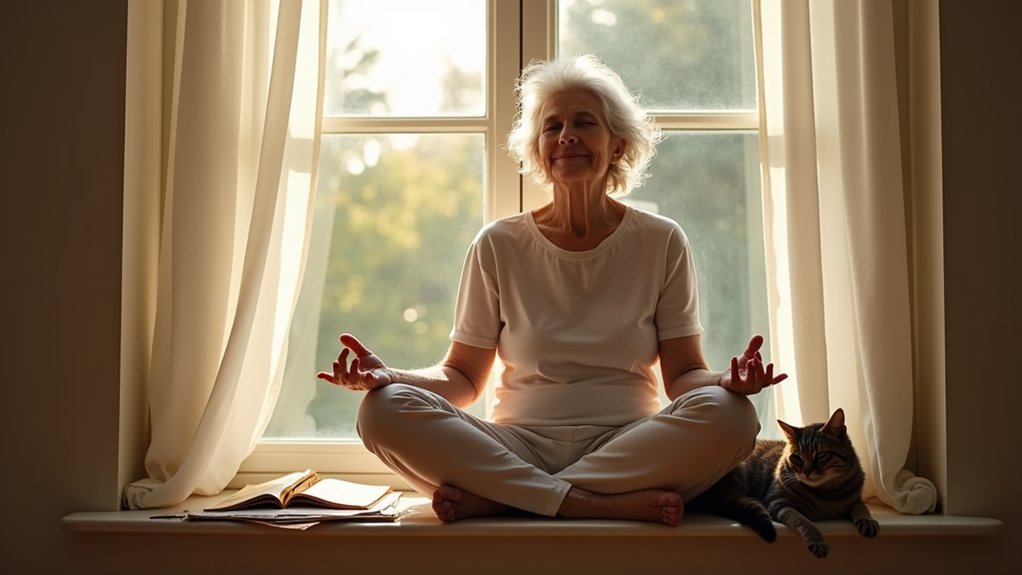
Mindfulness offers aging adults powerful tools for managing life’s inevitable stresses and changes. You’ll find peace by focusing on the present moment through simple breathing exercises and gentle meditation. Even five minutes daily can reduce anxiety and improve your emotional balance.
Start by finding a quiet space where you won’t be disturbed. Pay attention to your breath, letting thoughts pass without judgment. You might also try mindful walking, body scanning, or joining a local meditation group. These practices help you stay grounded when facing challenges and connect you with others on similar journeys.
Maintaining Physical Activity and Wellness
Physical movement works hand-in-hand with mental wellness practices to build emotional resilience. You’ll find that regular exercise boosts your mood through the release of endorphins while strengthening your ability to cope with life’s challenges. Start with activities you enjoy, whether it’s swimming, walking with friends, or gentle yoga.
Make physical wellness part of your daily routine by staying hydrated, getting proper nutrition, and maintaining consistent sleep patterns. Join group fitness classes designed for older adults – you’ll connect with others who share your wellness goals while building strength and flexibility. Remember, every small step toward physical activity contributes to your emotional well-being.
Embracing Change and Adaptability
Life’s shifts can feel overwhelming, yet adapting to change becomes easier when you develop flexible thinking patterns and coping strategies. You’ll find strength in accepting that alteration is natural and inevitable, rather than resisting it.
Start by reframing challenges as opportunities for growth. When you face changes in your living situation, health, or relationships, focus on what you can control. Create new routines that align with your current circumstances. Connect with others who understand your journey, and don’t hesitate to adjust your expectations. Remember, resilience isn’t about maintaining the status quo—it’s about finding creative ways to thrive amid life’s evolving landscape.
Cultivating Purpose Through Meaningful Activities
As we age, finding purpose becomes increasingly essential for emotional well-being and mental sharpness. You’ll discover fulfillment by engaging in activities that align with your values and interests. Whether it’s volunteering at local charities, mentoring younger generations, or pursuing creative hobbies, meaningful engagement enriches your life and strengthens your resilience.
Consider joining community groups, taking classes, or starting a passion project you’ve always dreamed about. You’re never too old to learn new skills or share your wisdom with others. By staying active and connected through purposeful activities, you’ll maintain a strong sense of identity and contribute to your community’s fabric.
Developing Positive Self-Talk and Mental Habits
Replace these limiting beliefs with empowering alternatives: “I’m learning new ways to adapt” or “I’ll find a different approach.” When you notice your successes, however small, acknowledge them. You’re building a foundation of self-compassion that will help you navigate life’s challenges with greater confidence.