
Enhancing Self-Awareness and Emotional Intelligence for Aging Well
As you age, strengthening your emotional intelligence helps you navigate life’s changes with greater ease and wisdom. You’ll benefit from practicing self-awareness, managing emotions effectively, and nurturing meaningful relationships through mindful interactions. Regular mindfulness exercises can reduce stress while boosting your resilience and adaptability. By focusing on these emotional building blocks, you can create deeper connections and maintain better emotional balance. Discover how these skills can transform your aging journey.
Understanding the Building Blocks of Emotional Intelligence

While many people associate aging well with physical health, emotional intelligence plays an equally essential role in steering life’s later chapters. The foundational elements of emotional intelligence include self-awareness, self-regulation, motivation, empathy, and social skills.
You’ll enhance your self-awareness by recognizing your emotions as they arise and understanding how they influence your thoughts and actions. Self-regulation helps you manage these emotions effectively, while motivation drives you to pursue meaningful goals. Empathy connects you with others by understanding their perspectives, and social skills enable you to build and maintain supportive relationships that become increasingly crucial as you age.
Recognizing and Managing Age-Related Emotional Changes
As we journey through life’s later stages, our emotional landscape naturally shifts and evolves. You’ll notice changes in how you process feelings and react to situations. These shifts might include deeper emotional responses to memories, increased sensitivity to loss, and greater appreciation for meaningful connections.
You’re not alone in experiencing these changes. Learn to embrace your evolving emotional wisdom while developing healthy coping strategies. Practice mindful reflection, acknowledge your feelings without judgment, and connect with others who understand your experience. Remember that emotional growth is a natural part of aging, offering opportunities for deeper self-understanding and more authentic relationships.
Cultivating Mindfulness in Daily Life
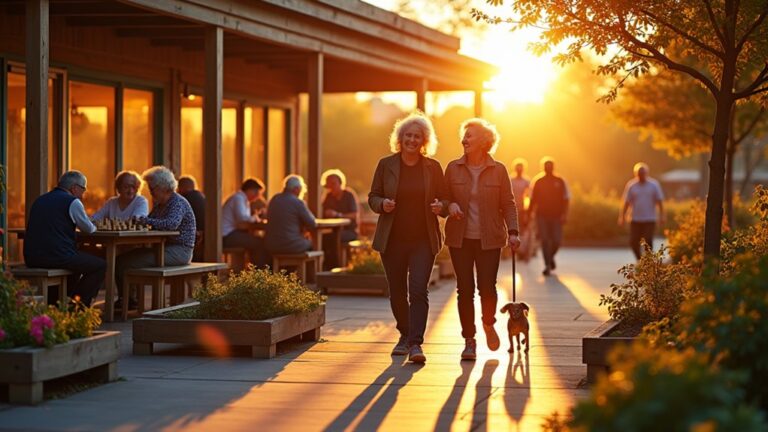
Since mindfulness anchors us in the present moment, it becomes increasingly valuable as we age. You can practice mindfulness through simple daily activities like mindful walking, eating, or breathing. Start by focusing on your breath for just five minutes each morning before starting your day.
Notice the sensations in your body without judgment. When your mind wanders, gently bring it back to the present. You’ll find that regular mindfulness practice helps reduce anxiety about the future and regrets about the past. It’s also an effective way to manage stress, improve sleep, and maintain emotional balance during your aging journey.
Strengthening Social Connections Through Better Self-Awareness
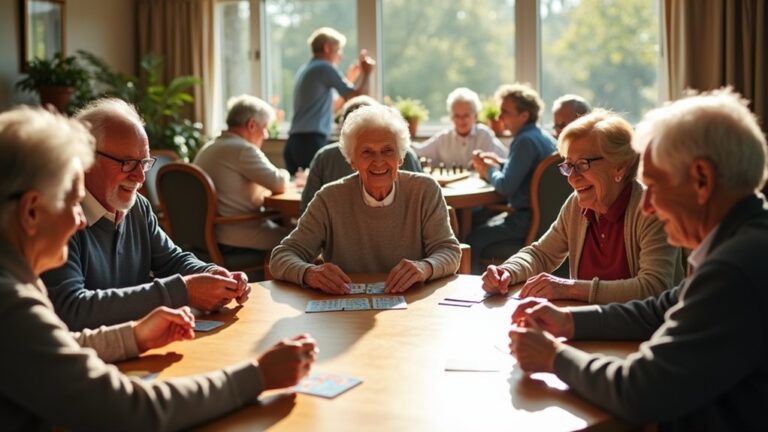
The mindful awareness you develop through daily practice naturally extends to your social interactions. As you become more attuned to your emotions and reactions, you’ll notice subtle shifts in how you relate to others. This heightened self-awareness helps you recognize when you’re being defensive, judgmental, or withdrawn.
You’ll find yourself responding more authentically in conversations, picking up on social cues you might have missed before. By understanding your own emotional patterns, you’re better equipped to empathize with others‘ perspectives and needs. This deeper connection creates more meaningful relationships, which are essential for healthy aging and emotional well-being.
Developing Resilience and Adaptability
While aging brings inevitable changes and challenges, building resilience helps you maintain emotional balance and adapt to life’s shifts. You’ll find greater strength in facing life transformations when you cultivate adaptability and embrace change as an opportunity for growth.
- Practice flexible thinking by challenging rigid beliefs and exploring new perspectives on age-related changes
- Build your resilience toolkit through mindfulness, stress management techniques, and regular self-reflection
- Connect with others who demonstrate resilient attitudes, learning from their experiences and sharing your own journey
Practical Exercises for Emotional Growth
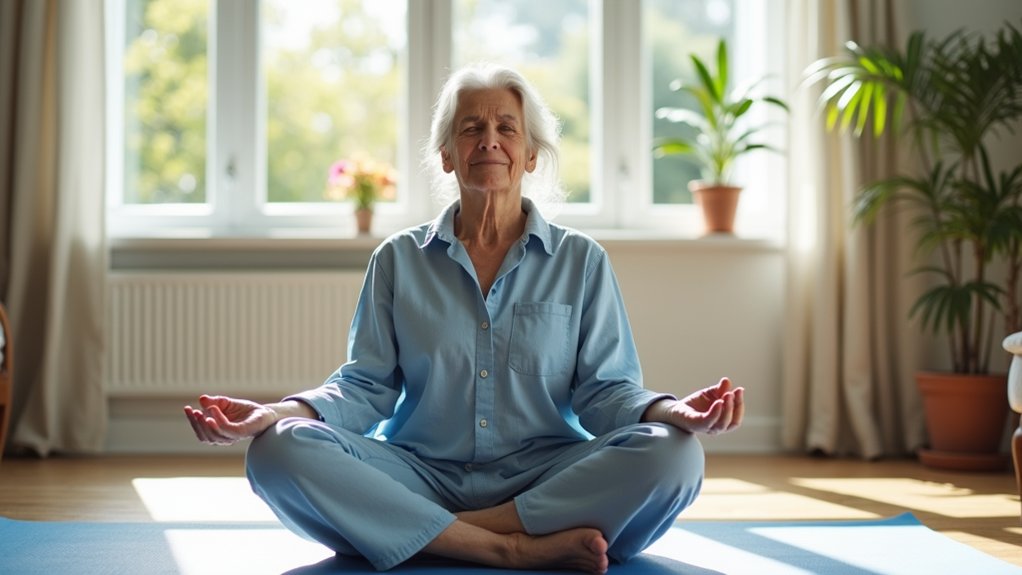
Regular practice of emotional awareness exercises can strengthen your ability to process feelings and respond thoughtfully to life’s challenges as you age. Try keeping a daily emotions journal where you track your moods and their triggers. Practice mindful breathing whenever you feel overwhelmed, focusing on each breath for 5-10 minutes. Connect with others through sharing circles or support groups where you can express yourself freely. Set aside time for body scan meditations to notice physical sensations linked to your emotions. Remember to celebrate small victories and acknowledge your progress in developing greater emotional awareness.
Creating a Sustainable Path for Emotional Well-being
Building on these emotional awareness practices, developing a sustainable approach to emotional well-being becomes your next meaningful step. You’ll discover that maintaining emotional health isn’t a destination but a continuous journey that evolves as you age. Creating lasting habits guarantees you’ll stay emotionally resilient through life’s changes.
Emotional well-being requires ongoing nurturing and adaptability, cultivating resilience that grows stronger as we journey through life’s seasons.
- Establish daily check-ins with yourself, examining your emotional state and needs without judgment
- Connect regularly with supportive friends and family who understand your emotional growth journey
- Integrate mindfulness practices into your routine, allowing space for both challenging and pleasant emotions
These foundations help you navigate aging with greater emotional wisdom and authenticity.