Why Build Resilience After Loss in Seniors?
Building resilience after loss gives you essential mental and physical tools to navigate the unique challenges of aging. When you strengthen your resilience, you’ll boost your immune system, improve sleep patterns, and lower blood pressure. You’ll also reduce your risk of depression while maintaining independence and quality of life. Whether you’ve lost a loved one, retired, or face health changes, developing coping strategies and support networks can help you discover renewed purpose and meaning.
The Science Behind Resilience and Aging
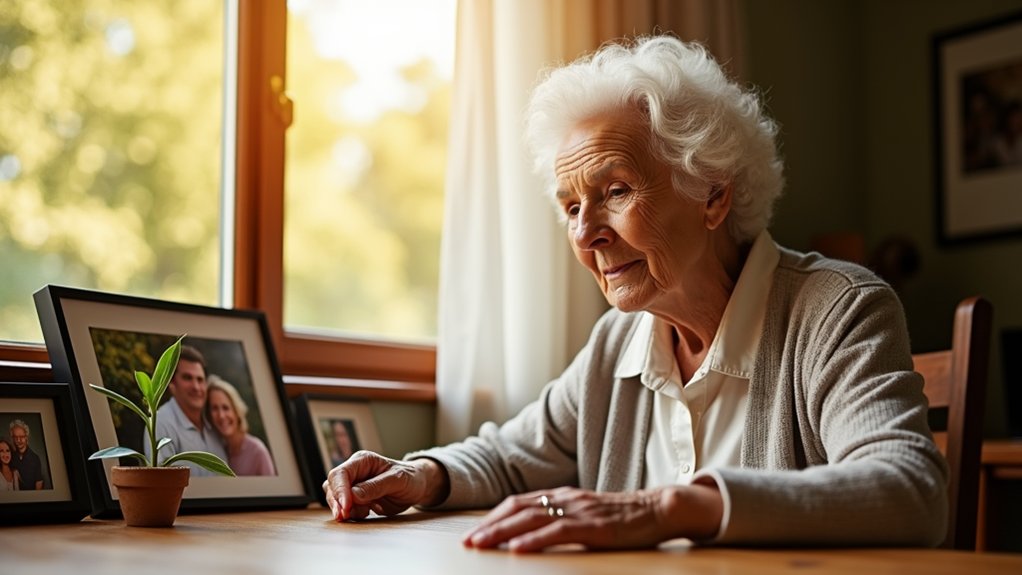
Although aging brings physical and cognitive changes, research shows that our ability to build resilience remains strong throughout life. Your brain continues to form new neural connections, adapting to challenges and learning from experiences. This neuroplasticity helps you develop coping strategies and emotional regulation skills.
Studies reveal that seniors who maintain social connections and engage in meaningful activities show higher resilience levels. You’re equipped with life wisdom and experienced problem-solving skills that enhance your capacity to bounce back. Understanding these biological and psychological factors can help you tap into your natural resilience-building abilities during times of loss.
Common Types of Loss in Later Life
Loss becomes a more frequent companion as you navigate your senior years. You’ll likely experience the passing of loved ones, friends, and peers. Beyond death, you may face the loss of physical abilities, independence, or familiar roles that once defined your identity. Your career might end through retirement, your home situation may change, and your social circles might shrink. Health challenges can lead to losing certain activities you’ve always enjoyed. You’re not alone in facing these changes – they’re shared experiences that connect you with others in your generation who understand these profound shifts.
Physical and Mental Health Benefits of Resilient Seniors
When seniors develop resilience in the face of loss, they gain significant physical and mental health advantages. You’ll notice improved immune system function, better sleep patterns, and lower blood pressure among resilient older adults. They’re also less likely to experience depression and anxiety.
Being resilient helps you maintain stronger social connections and find meaning in daily activities. You’ll cope better with stress, adapt more easily to change, and recover faster from illness. Your brain stays sharper through positive thinking and problem-solving skills. Most importantly, you’ll feel more confident and independent, leading to a higher quality of life despite life’s challenges.
Building Support Networks After Loss
Creating meaningful connections becomes essential after experiencing profound loss in your senior years. You’ll find strength in joining grief support groups where others understand your journey. Consider reaching out to faith communities, senior centers, or volunteer organizations that align with your interests.
Don’t hesitate to reconnect with old friends or cultivate new friendships through shared activities. Your local community center likely offers classes and social events designed for seniors. You might also explore online communities that cater to your specific situation. Remember, building a support network isn’t just about having people around – it’s about fostering genuine relationships that nurture your well-being.
Proven Strategies to Strengthen Senior Resilience
Building resilience requires specific, proven approaches that can help you navigate life after loss. Start by establishing daily routines that provide structure and purpose to your days. Practice self-care through regular exercise, proper nutrition, and adequate sleep. Connect with others who’ve experienced similar losses through support groups or grief counseling.
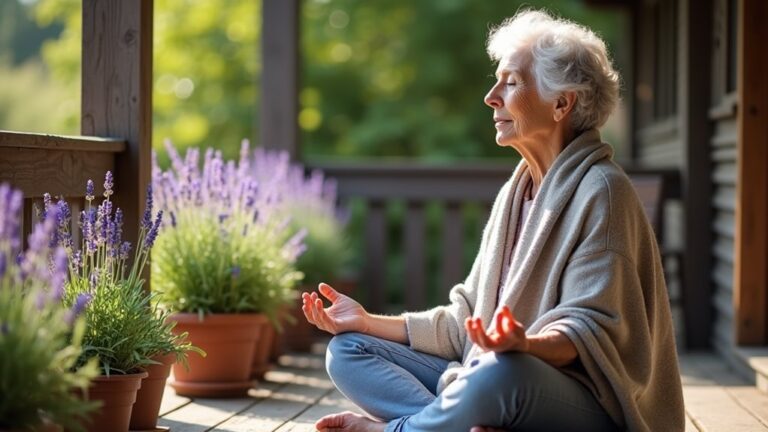
Set small, achievable goals that help you move forward while honoring your loved one’s memory. Try mindfulness exercises to stay grounded in the present moment. Express your feelings through creative outlets like journaling, art, or music. Remember that building resilience is a gradual process, and you’re taking important steps by seeking support.
Creating New Purpose Through Recovery
As you move through the recovery process, discovering new purpose becomes essential for healing and growth. You’ll find strength in connecting with others who share similar experiences by joining support groups or volunteering your time to meaningful causes.
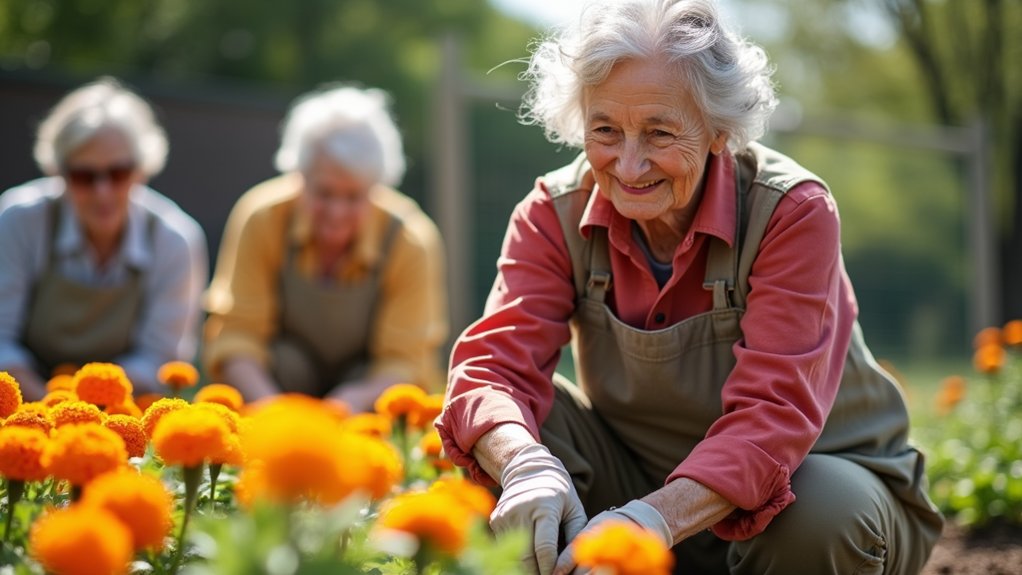
Consider exploring activities that align with your values and interests. Whether it’s mentoring younger generations, participating in community projects, or pursuing creative endeavors, each new experience helps rebuild your sense of identity. Remember, you’re not alone in this journey. Your life experiences and wisdom can become powerful tools for helping others while creating a renewed sense of meaning in your own life.