10 Tips for Discovering Hobbies Post-Retirement
Start your hobby search by reflecting on childhood passions and activities that once brought you joy. Assess your current skills, physical capabilities, and budget to determine suitable activities. Look into local community centers, libraries, and senior groups for classes and meetups. Try sample sessions before committing, and don’t forget to explore both indoor and outdoor pursuits. Connect with like-minded retirees through social media and forums. These steps will open doors to exciting new possibilities in your retirement journey.
Reflect on Your Past Interests and Dreams

When you enter retirement, it’s the perfect time to revisit those interests and aspirations you may have set aside during your working years. Think back to your childhood passions, whether it was painting, playing music, or exploring nature. Remember those dreams you once had about learning a new language or mastering photography?
Take time to journal about activities that sparked joy in your past. Connect with old friends who shared similar interests – they might become your new hobby partners. You’ll likely discover that many of your former passions still resonate, offering a meaningful path forward in your retirement journey.
Start With a Skills Assessment
After rediscovering your past interests, it’s time to take stock of your current abilities and potential areas for growth. Think of this assessment as your gateway to new adventures and connections with like-minded retirees.
Your skills inventory should include:
- Physical capabilities – consider your stamina, mobility, and any health-related limitations
- Mental strengths – evaluate your problem-solving abilities, creativity, and learning style
- Transferable expertise – identify skills from your career that could enhance new hobbies
Research Local Community Activities
Now that you’ve assessed your skills, it’s time to explore the wealth of activities available in your local community. Start by checking your local community center, library, and senior centers for group activities and classes. These venues often offer everything from art workshops to fitness programs.
Don’t forget to browse neighborhood social media groups and community bulletin boards. You’ll find book clubs, walking groups, and volunteer opportunities. Your local parks and recreation department likely hosts seasonal events and ongoing programs too. Join community organizations that align with your interests – they’re perfect places to connect with like-minded retirees.
Consider Your Physical Capabilities
Before diving into a new hobby, it’s essential to honestly evaluate your physical limitations and capabilities. You’ll want to choose activities that match your energy level and won’t put undue stress on your body. Many retirees find success by selecting hobbies that align with their current physical condition.
- Start with gentle activities and gradually increase intensity as you build strength and confidence
- Consider hobbies that allow you to adapt or modify movements based on how you’re feeling each day
- Choose activities that let you connect with others who share similar physical capabilities, creating supportive friendships while staying active
Set a Realistic Budget for Your New Pursuits
Managing your retirement income requires careful planning when starting new hobbies. Start by creating a monthly budget that includes your essential expenses, then determine how much you can comfortably allocate to new activities. Many retirees join local clubs or groups that share equipment and costs, making expensive hobbies more affordable.
Look for senior discounts at hobby shops, craft stores, and recreational centers. You’ll often find fellow retirees who are happy to swap supplies or share resources. Consider starting with basic equipment and upgrading as your interest and skills grow. Remember, the joy of your hobby shouldn’t create financial stress.
Join Social Groups and Meet Like-Minded People
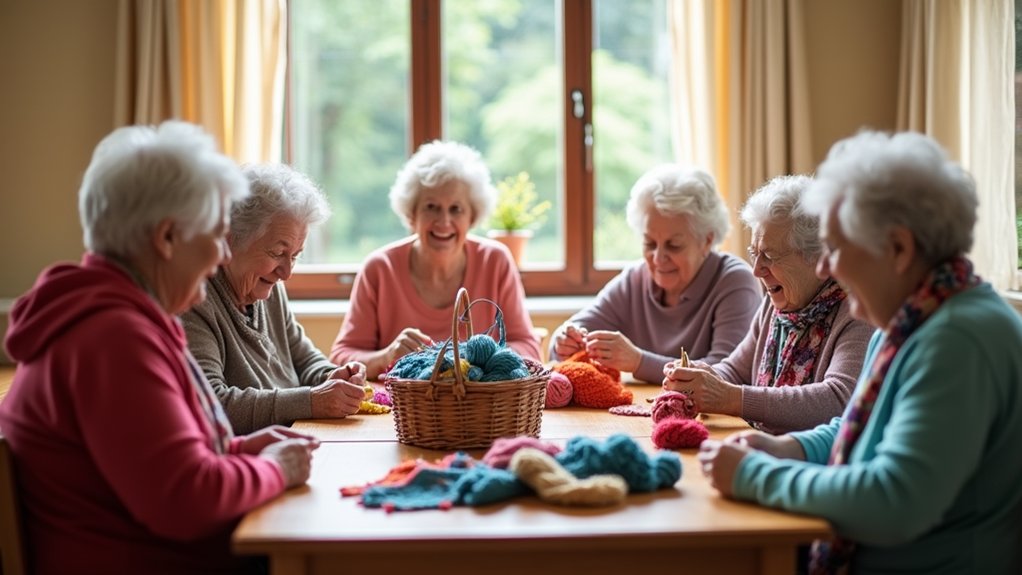
While pursuing hobbies alone can be rewarding, connecting with others who share your interests adds a valuable social dimension to retirement. You’ll find countless opportunities to build meaningful relationships through shared activities.
- Join local meetup groups focused on your interests, from book clubs to hiking groups, where you can engage in regular activities with fellow enthusiasts
- Participate in community center classes or workshops to learn new skills alongside others who are also exploring similar passions
- Connect through social media platforms and online forums dedicated to your hobbies, which can lead to in-person friendships and group activities
Take Trial Classes Before Committing
Ever wondered how many retirees immerse themselves in hobbies only to lose interest after significant investments in equipment and memberships?
You’ll save time and money by sampling activities before fully committing. Many community centers, art studios, and recreational facilities offer trial classes or day passes. Take advantage of these opportunities to explore pottery, painting, golf, or yoga without the pressure of long-term commitments.
During these trials, you’ll get a genuine feel for the activity, meet potential mentors, and discover if the hobby aligns with your interests and abilities. It’s a practical way to guarantee your retirement pursuits bring lasting satisfaction.
Balance Indoor and Outdoor Activities
To maintain both physical and mental vigor during retirement, combining indoor and outdoor hobbies proves essential. You’ll want to create a balanced schedule that keeps you active throughout the year, regardless of weather conditions.
- Start your mornings with outdoor activities like gardening or walking when temperatures are mild, then shift to indoor crafts or reading in the afternoon
- Join groups that offer both types of activities, such as a nature club that holds indoor workshops during inclement weather
- Consider seasonal hobbies that naturally alternate between indoors and outdoors, like photography or bird watching
Explore Technology-Based Hobbies
Technology-based hobbies offer retirees exciting ways to stay mentally sharp and connected in our digital world. You’ll find endless opportunities to learn and grow through online courses, digital photography, or video editing. Join virtual communities where you can share your creations and connect with fellow enthusiasts.
Consider exploring coding basics, starting a blog, or creating digital art. These activities help you stay current with modern trends while exercising your creativity. You might even turn your tech hobby into a side project by designing websites or helping others navigate the digital landscape. The best part? You can pursue these interests from the comfort of your home.
Create a Weekly Schedule for Your Activities
While retirement offers abundant free time, creating a structured weekly schedule helps you make the most of your new hobbies. Join fellow retirees in establishing a balanced routine that keeps you engaged and motivated.
- Designate specific days for different activities – perhaps Mondays for your painting class, Wednesdays for golf with friends, and Saturdays for computer programming lessons
- Block out consistent times for your hobbies, allowing flexibility for spontaneous social events
- Include rest periods between activities to maintain energy and prevent burnout