
5 Tips for Wellness Coaching for Seniors
I’ve found that successful wellness coaching for seniors starts with building genuine trust and understanding their unique needs. You’ll want to adapt exercise programs for limited mobility, create sustainable nutrition plans that support aging bodies, encourage social connections to combat isolation, and develop realistic goals that maintain independence. These adjustments help seniors thrive in their wellness journey, and there’s so much more to explore about each strategy.
Building Trust and Understanding Senior Client Needs
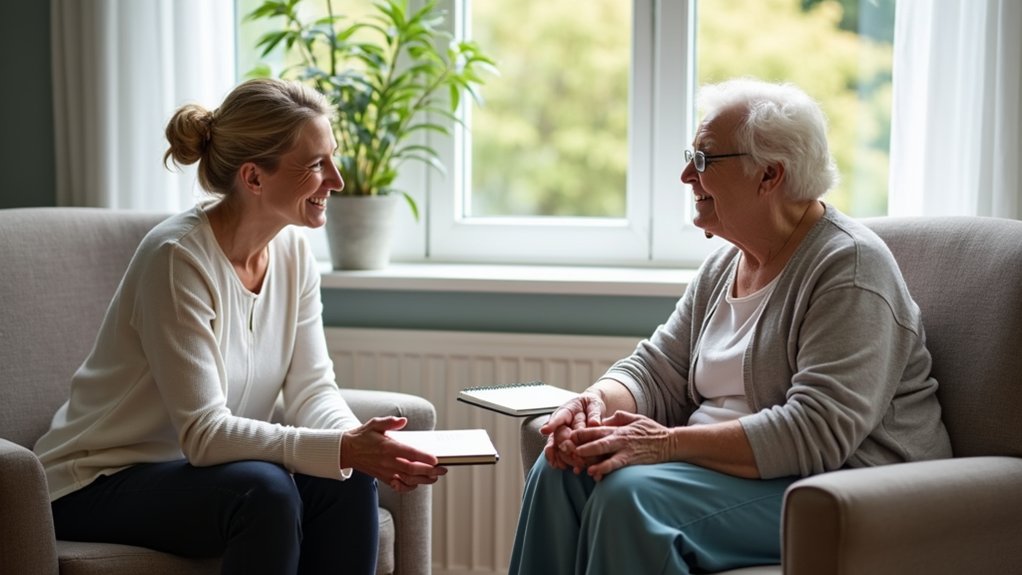
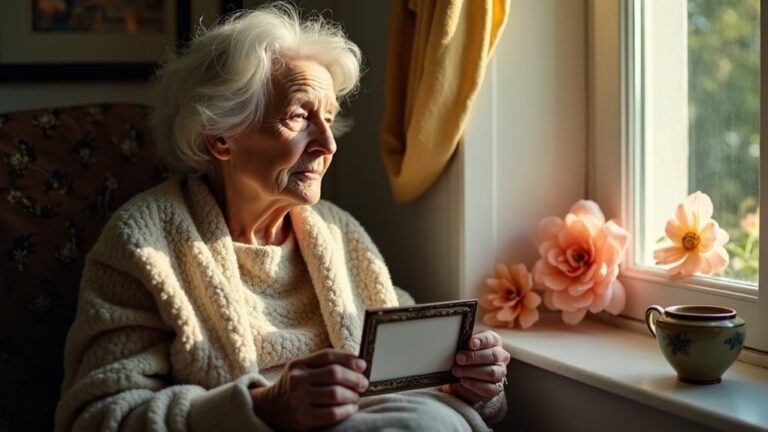
When working with senior clients as a wellness coach, establishing genuine trust and rapport must be your top priority. I’ve found that taking time to truly listen to their life stories, challenges, and aspirations creates a strong foundation for our work together.
Make sure you understand their specific health conditions, medications, and physical limitations. I encourage you to validate their experiences while showing empathy for age-related changes they’re experiencing. Be patient – many seniors appreciate a slower pace and want to feel heard.
Remember to involve their family members or caregivers when appropriate, as they’re often key support partners in the wellness journey.
Adapting Exercise Programs for Limited Mobility

A thoughtful approach to exercise modification is essential when working with seniors who have mobility challenges. I’ll help you adapt movements to accommodate physical limitations while maintaining exercise effectiveness.
Start by evaluating your client’s range of motion and balance. Replace high-impact activities with chair exercises, water aerobics, or seated resistance training. Focus on functional movements that support daily activities, like modified squats or assisted stretches.
Remember to incorporate safety measures such as sturdy chairs and handrails. Monitor breathing patterns and encourage rest periods. I’ve found that gradual progression builds confidence and prevents injury while helping seniors stay active.
Creating Sustainable Nutrition Plans for Aging Bodies
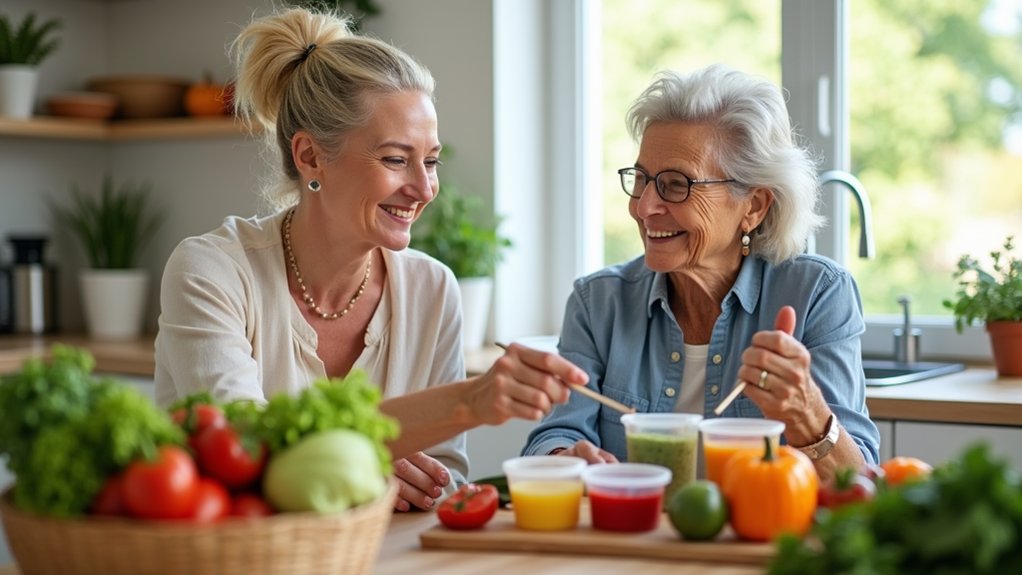
Physical activity works best when paired with proper nourishment, especially for aging bodies. I’ll help you create a sustainable nutrition plan that considers your changing dietary needs and lifestyle preferences. As we age, our bodies require specific nutrients while often needing fewer calories overall.
- Focus on protein-rich foods to maintain muscle mass and bone density
- Include calcium and vitamin D sources for bone health
- Choose fiber-rich fruits and vegetables for digestive health
- Plan smaller, more frequent meals to maintain energy levels
- Stay hydrated with water-rich foods and regular fluid intake
These nutrition strategies will complement your exercise routine and support your overall wellness goals.
Supporting Social Connection and Mental Wellness
Social connections and mental wellness become increasingly essential as we age, yet many seniors face growing isolation in their later years. I encourage my clients to join community groups, participate in local events, and maintain regular contact with family and friends through both traditional and digital means.
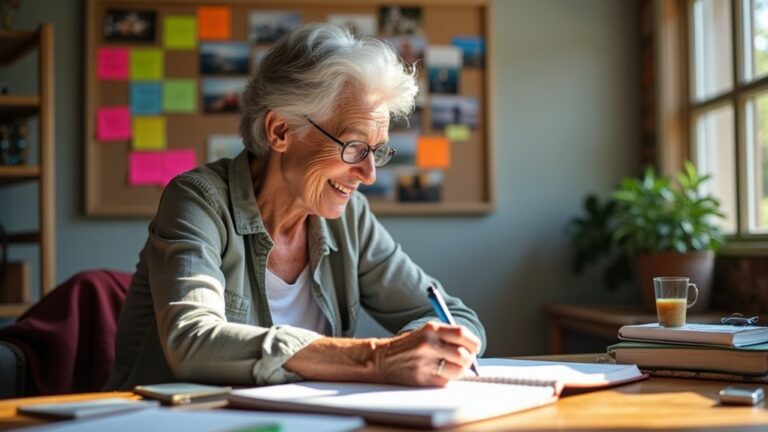
I’ve found that scheduling weekly social activities, whether it’s a coffee date or an online book club, helps create structure and anticipation. I also recommend mindfulness practices, journaling, and gentle exercise classes that combine physical activity with social interaction. These strategies help combat loneliness while keeping the mind sharp and engaged.
Developing Age-Appropriate Goal Setting Strategies
Building on the benefits of social engagement, I’ve learned that effective goal setting takes on new meaning for seniors. Working with my clients, I’ve discovered that setting achievable milestones enhances their confidence and motivation. Let’s focus on strategies that respect your current lifestyle while promoting growth.
- Set realistic daily goals that align with your energy levels and abilities
- Break down larger objectives into smaller, manageable steps
- Focus on maintaining independence through specific, practical tasks
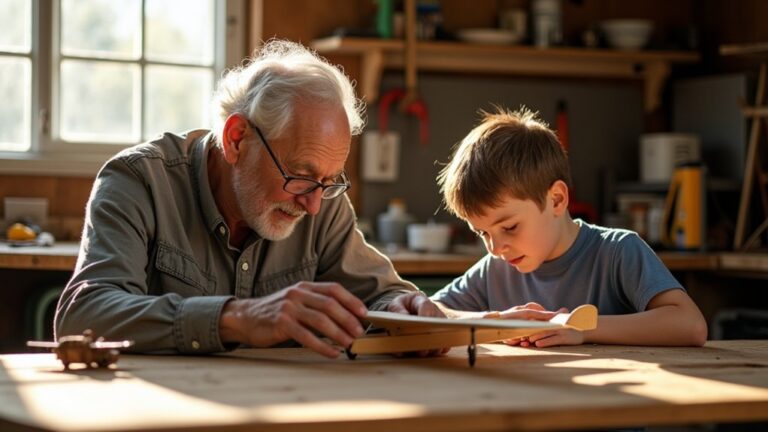
- Choose activities that combine physical and mental engagement
- Celebrate progress regularly to maintain momentum and enthusiasm
Together, we’ll create goals that honor your experience and spark joy in daily achievements.